Saudi Arabia Restarts East-West Pipeline Ahead of Resumption of Exports From Yanbu
The pipeline’s gradual restart is particularly significant after oil industry sources warned last week that a prolonged shutdown could have removed as much as 4% of global oil supplies from the market, while inventories at Red Sea ports were sufficient to sustain only approximately five to seven days of exports.
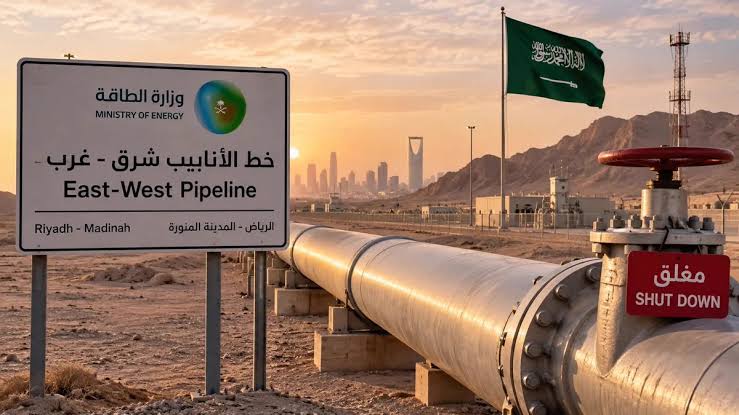
Saudi Arabia resumed operations on its East-West pipeline on Tuesday, while crude oil exports from the Red Sea port of Yanbu could restart later in the day. The move is easing pressure on global oil supplies after a drone attack forced the pipeline to remain offline for approximately 10 days.
Three informed sources confirmed that operations had resumed, although pumping was currently taking place at a reduced rate. Two other sources said crude exports from Yanbu could restart later on Tuesday. Saudi Aramco, the pipeline’s operator, did not respond to a request for comment.
Drone attacks prompted Saudi Arabia to shut down the East-West pipeline on September 13, bringing crude loading operations at Yanbu to a halt.
Stretching approximately 1,200 kilometers, the pipeline is a vital artery that carries oil from fields and ports in the Eastern Province to the Red Sea. It consequently provides an alternative export route that does not rely on passage through the Strait of Hormuz.
The pipeline’s rapid restart is particularly important following warnings issued by oil industry sources last week. They said a prolonged shutdown could have removed as much as 4% of global oil supplies, while inventories stored at Red Sea ports were sufficient to support only about five to seven days of exports.
However, the resumption of pumping at a reduced rate suggests that the pipeline has not necessarily returned to full capacity.
Reuters previously reported that the attacks had damaged the pipeline’s infrastructure, making the restoration of normal flows a gradual process.
Markets reacted swiftly to the announcement. Oil prices fell by more than 2% on Tuesday, with Brent crude dropping 2.6% to approximately $97.76 per barrel after exceeding $102 earlier in the session. West Texas Intermediate declined by nearly 3%, falling below $90 per barrel.
Prices also came under pressure amid indications that understandings concerning the Strait of Hormuz might be reached, potentially easing fears of further disruption to global oil supplies.
Faced with the closure of its western export route, Saudi Arabia moved quickly in recent days to increase shipments through its Gulf ports. This approach, however, makes the country’s oil exports more dependent on passage through the Strait of Hormuz.
Data cited by Reuters showed that Aramco loaded approximately 14 million barrels of crude onto seven supertankers in the Gulf on Sunday. The operation indicated that the company was making greater use of its eastern ports to compensate for some of the disruption affecting the route to the Red Sea.
Gulf oil companies have also resorted to ship-to-ship transfers off the coast of Oman in an attempt to keep crude available to the market despite disruptions to maritime routes.
Reuters data showed that these transfers reached approximately 2.5 million barrels per day in September, compared with 1.4 million barrels per day in August. Such operations, however, come at a high cost as shipping and insurance expenses continue to rise.
These developments highlight the vulnerability of the region’s oil export routes.
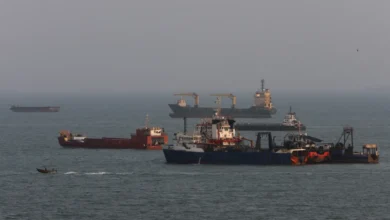
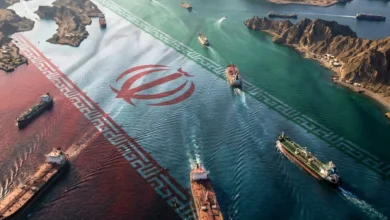
Shipping traffic through the Strait of Hormuz has fallen sharply. According to data cited by Reuters, 17 cargo-carrying vessels passed through the strait over the weekend, compared with 37 the previous week and approximately 125 vessels per day before the war.
No Saudi crude-loading operations had been recorded at Yanbu since September 16, before signs emerged on Tuesday that the pipeline was being brought back into service.
In a development reflecting the growing international dimension of efforts to protect these facilities, France announced that it was prepared to help secure Saudi energy infrastructure, including the facilities at Yanbu and sites located along the East-West pipeline.
Paris emphasized that any assistance would be strictly defensive and would not involve participating in combat operations against the Houthis.
The move comes as the Iran-backed Houthi militias continue their military operations in the region. Meanwhile, disruptions to shipping routes in the Red Sea and the Gulf are raising concerns about oil producers’ ability to deliver supplies to global markets.