Washington Closes Nuclear Diplomacy Channels to Tehran from Austria
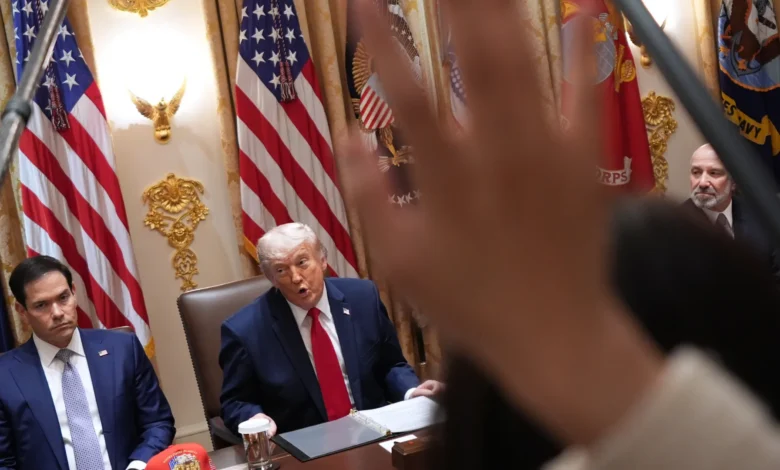
Austria has barred Mohammad Eslami, head of the Atomic Energy Organization of Iran, from entering its territory to attend the General Conference of the International Atomic Energy Agency, under pressure from Trump.
Austria has barred Mohammad Eslami, head of the Atomic Energy Organization of Iran, from entering its territory to participate in the General Conference of the International Atomic Energy Agency (IAEA), in a move that came after pressure from the administration of US President Donald Trump, according to Bloomberg, citing a US official.
-
Hotline Diplomacy: Efforts Underway to Preserve De-escalation Between Washington and Tehran
-
Axios: Washington and Tehran Agree to Halt Attacks and Resume Talks
Eslami had been preparing to deliver a speech at the opening of the conference on Monday after leaving Tehran for Vienna, according to Iran’s Mehr news agency. However, a request submitted by the United Nations for an exemption from the sanctions imposed on him was rejected, as Washington maintained its refusal to grant the exception that would have allowed him to enter Austria.
The decision to prevent the Iranian official from attending the meeting reflects a US push to tighten restrictions on the movements of senior officials linked to Iran’s nuclear program, as Washington steps up political and diplomatic pressure on Tehran over its nuclear activities.
A lower-ranking Iranian representative is expected to replace Eslami in delivering his country’s address at the conference, while the United States prepares to use the international platform to renew its demands concerning Iran’s nuclear program.
-
Swiss Negotiations Test the Prospects for De-escalation Between Washington and Tehran
-
Military escalation between Washington and Tehran derails hopes of a settlement
US Energy Secretary Chris Wright is expected to reiterate that Washington will not accept Iran acquiring a nuclear weapon. He is also expected to call on Tehran to fully cooperate with the IAEA, comply with its obligations under the safeguards agreement, and allow inspectors access to the sites they need to inspect in order to verify the nature of Iran’s nuclear activities.
The US escalation comes as the IAEA focuses on indications of construction work at the fortified Kuh-e Kolang facility, which reports have linked to activities within Iran’s nuclear program. Last week, President Trump hinted at the possibility of launching an attack on Iran, referring to the site in the context of his warnings about Iranian nuclear facilities.
The US message extends beyond the Iranian issue, however. Wright is also expected to call on the agency to improve its efficiency and focus on its core technical responsibilities, while expressing Washington’s readiness to cooperate with it on peaceful nuclear technology.
-
Washington and Tehran… Hezbollah, the Achilles’ heel of the truce
-
Diplomacy races against rising tensions: anticipation of Muscat talks between Washington and Tehran
These developments follow a decision by the IAEA Board of Governors, composed of 35 countries, to refer Iran’s nuclear file to the United Nations Security Council. The measure had not been taken against Tehran for nearly two decades and came amid accusations that Iran had failed to meet its obligations concerning the non-proliferation of nuclear weapons.
Although the Security Council’s ability to take further measures against Iran remains limited because Russia and China are permanent members with veto power, the referral raises the level of international pressure on Tehran and gives Washington an additional lever in the escalating confrontation over Iran’s nuclear program.
In Tehran, the response was more forceful. Iranian lawmaker Rouhollah Najabat, a member of Parliament’s National Security and Foreign Policy Committee, threatened to accelerate the technical development of the nuclear program in response to the referral to the Security Council.
-
Washington and Tehran discuss a ‘political ceasefire’
-
Washington resorts to a cheaper and more effective weapon to force Tehran into submission
Iran says its program is intended for peaceful purposes and that the Treaty on the Non-Proliferation of Nuclear Weapons grants it the right to develop nuclear technology and enrich uranium within the permitted framework. Tehran also denies any intention to manufacture a nuclear weapon.
However, Iran’s enrichment level, which has reached 60 percent, remains a major concern for the IAEA, particularly amid continued uncertainty over the size and location of its stockpile of highly enriched uranium following strikes that targeted Iranian nuclear facilities. The agency estimates that more than 200 kilograms of uranium enriched to this level remain, with part of it stored at facilities and tunnels associated with the Isfahan complex and the Natanz facility.
This development brings the issue back to the heart of the dispute between Washington and Tehran, following the collapse of the nuclear agreement that imposed limits on enrichment levels and inspection mechanisms. As understandings remain stalled and inspectors continue to lack access to some damaged sites, uncertainty surrounding Iran’s nuclear program is growing, while the US administration presses ahead with intensified political and diplomatic pressure on Tehran.
-
New Escalation in the Gulf Threatens Prospects for an Agreement Between Tehran and Washington
-
Reciprocal Attacks Between Tehran and Washington Complicate the Settlement Process
-
Tehran’s Stubbornness and Washington’s Tough Stance Keep a Potential Agreement Trapped in a Maze of Conditions