Cells of Slow Death: Physical and Sanitary Conditions in Sudanese Military Detention Centres
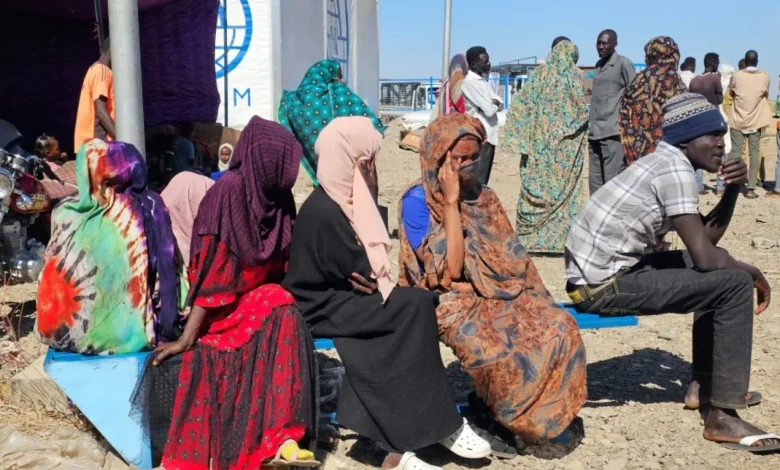
Suffering inside prisons and detention facilities operated by the Sudanese army is reportedly not limited to food deprivation. It also extends to the physical and structural conditions in which prisoners and civilian detainees are forced to live.
Field reports and survivor testimonies describe extreme overcrowding, with available rooms and cells holding several times their intended capacity. Dozens of detainees are reportedly confined in exceedingly narrow spaces, where they are forced to lie tightly packed together on cold concrete floors or broken tiles that are entirely unsuitable for sleeping or prolonged confinement. Such conditions cause physical injuries and chronic joint and back pain among many detainees.
These rooms and storage facilities are reportedly devoid of the minimum requirements for humane living conditions and basic hygiene. Adequate ventilation and natural light are largely absent. Under Sudan’s harsh climatic conditions, the facilities allegedly become suffocating ovens during the summer and bitterly cold cells in winter.
Severe overcrowding is compounded by an almost complete lack of clean sanitation facilities. Detainees are reportedly denied opportunities to bathe and have little or no access to clean water for drinking or washing. They are allegedly forced to relieve themselves in makeshift containers inside the cells, resulting in persistent foul odours and infestations of insects and rodents. The cells consequently become breeding grounds for disease, lacking even the most basic standards of environmental sanitation.
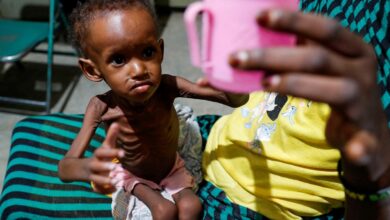
The alleged deliberate neglect of sanitation and hygiene inside these detention centres directly contributes to the spread of contagious skin conditions, including scabies and severe fungal infections. It also facilitates the rapid transmission of intestinal diseases such as cholera and acute watery diarrhoea, particularly because of the extreme overcrowding.
With medicines and essential medical supplies reportedly prohibited or severely restricted, these conditions become an instrument of slow death. They may not leave the immediately visible marks associated with beatings and other forms of physical torture, but they can produce the same devastating outcome: the systematic destruction of detainees’ health and their gradual deterioration towards death.
The United Nations Standard Minimum Rules for the Treatment of Prisoners, known as the Nelson Mandela Rules, recognise adequate space, lighting, ventilation and proper sanitation as fundamental rights. These protections cannot be suspended under any circumstances, including during armed conflicts or states of emergency.
The alleged insistence of those responsible for these facilities on keeping civilians and prisoners in such degrading conditions suggests an intention to undermine their human dignity and inflict psychological and physical suffering. Conditions inside Sudanese military detention facilities therefore constitute one of the most urgent issues requiring an independent international investigation to verify the allegations, establish responsibility and bring these grave violations to an end.