Protein-Enriched Foods: What You Really Need to Know
Protein bars, high-protein yogurts, fortified breads, cereals, cookies and ready-to-drink shakes have become increasingly common on supermarket shelves. They are often presented as healthier or more nutritious simply because they contain extra protein. But the reality is more nuanced. Not every protein-enriched food is automatically a healthy choice, and not everyone needs extra protein in their diet.
Protein is essential to the body. It helps build and maintain muscle, supports tissue repair and contributes to the production of enzymes, hormones and other molecules involved in normal body functions. The amount a person needs can vary depending on age, body size, physical activity and overall health.
The real question, therefore, is not whether protein is good. It is how that protein is delivered.
More protein does not automatically mean a better food
When a package prominently displays the words “high protein”, it is easy to assume that the product is particularly healthy. But the protein content tells only part of the story.
A plain yogurt with additional protein is very different from a highly processed cookie that contains extra protein but is also high in added sugars, salt or saturated fat. Both products can advertise their protein content, while their overall nutritional value may be very different.
This is why it makes more sense to look at the entire nutritional profile rather than focusing on one number.
A product containing 20 grams of protein is not necessarily a better choice than a conventional food containing less protein. It is also important to consider how much fiber it provides, how much sugar and salt it contains, the amount of saturated fat, the calorie content and, above all, what role it plays in the overall diet.
Protein-enriched foods can still be useful
That does not mean protein-enriched products have no place in a healthy diet. For some people, they can be genuinely convenient.
After exercise, for example, a high-protein yogurt or drink can be an easy option when there is little time to prepare a meal. Older adults who have a reduced appetite may also benefit from foods that provide more protein in a relatively small portion.
They can also be useful for people with particular nutritional needs, provided that their use makes sense for their individual situation.
For most people, however, there is no need to turn every meal into a “high-protein” meal.
Natural sources of protein still matter
Before reaching for a protein-fortified product, it is worth looking at what a regular diet can already provide.
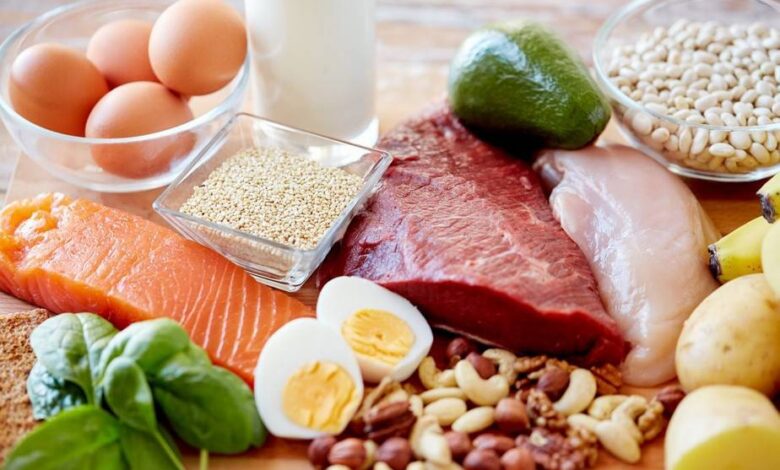
Eggs, fish, meat, dairy products, lentils, chickpeas, beans, nuts and seeds can all contribute protein to the diet.
Plant foods deserve particular attention. Eating a variety of protein sources throughout the day can provide enough protein without relying heavily on fortified or highly processed products.
There is another important advantage: many minimally processed foods provide much more than protein. Legumes, for instance, also provide fiber and several micronutrients. Nuts provide protein as well as unsaturated fats. Fish provides protein and, depending on the type, valuable omega-3 fatty acids.
That combination is what makes a food nutritionally interesting.
Don’t let the marketing make the decision
The protein-food market is closely associated with fitness, weight management and wellness. A snack carrying the word “protein” or a dessert marketed as “high protein” can therefore appear healthier than an ordinary version of the same product.
But marketing should not replace reading the label.
Some protein-enriched products are genuinely useful. Others are essentially highly processed treats with additional protein added to make them more appealing to health-conscious consumers.
Adding protein does not automatically transform the nutritional quality of a product.
A better approach is to look at the whole label: protein, fiber, sugars, salt, saturated fat, calories and serving size.
Can you eat too much protein?
For a healthy person, consuming more protein than the minimum requirement is not necessarily harmful. But more is not automatically better.
A very protein-heavy diet can sometimes push other important foods out of the diet, including fruits, vegetables, whole grains and legumes. Yet a healthy eating pattern is not built around one nutrient.
The situation can be different for people with certain medical conditions, particularly kidney disease. In such cases, protein intake may need to be adjusted under professional guidance. It is therefore not a good idea to blindly follow very high-protein diets promoted on social media or by fitness trends.
The bigger picture matters more than the protein number
Protein is essential, but it should not become the only criterion used to judge a food.
A breakfast made with plain yogurt, fruit, oats and a handful of nuts can provide protein while also delivering fiber, vitamins, minerals and beneficial fats. By contrast, an ultra-processed “high-protein” dessert that contains little fiber and a large amount of added sugar may not be the better choice simply because its packaging emphasizes protein.
The more useful question is not simply, “How much protein does this product contain?” It is, “What does this food provide overall?”
Protein-enriched foods can have a place in a balanced diet, especially when they solve a practical nutritional problem. But they are neither essential nor automatically healthier than ordinary foods.
For most people, the simplest approach remains the most sensible one: eat a varied diet, regularly include natural sources of protein, and see protein-enriched products as a convenient option rather than a health requirement.