Turkey in Sudan: Humanitarian Aid in the Foreground, Military Capabilities Fuelling an Endless War
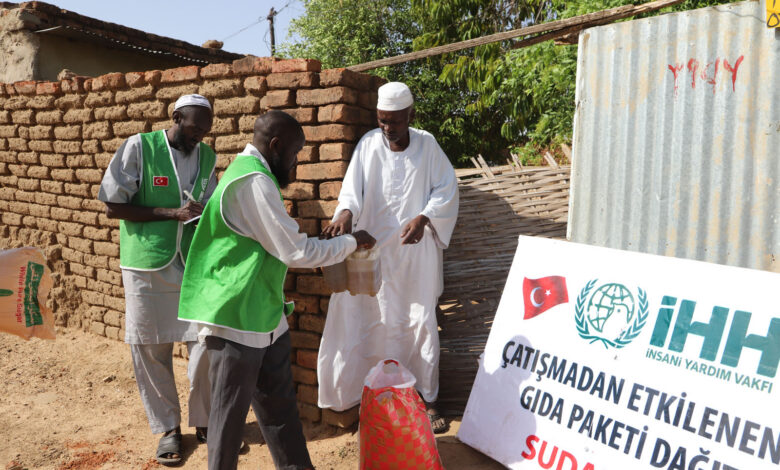
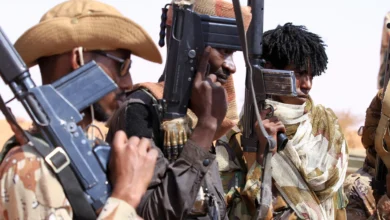
Turkey’s presence in Sudan is no longer limited to humanitarian aid or diplomatic initiatives. Reports and investigations reveal growing links between Turkey and the military capabilities used by the Sudanese army. This role is particularly evident in drone warfare, which has become one of the conflict’s most significant forms of combat and among its deadliest for civilians.
In an investigation published in March 2025, the Washington Post reported, citing documents, contracts and flight records, that the Turkish company Baykar had supplied the Sudanese army with at least $120 million worth of drones and missiles during the war. The documents also showed that Turkish-made TB2 drones had been used to strike targets inside Sudan.
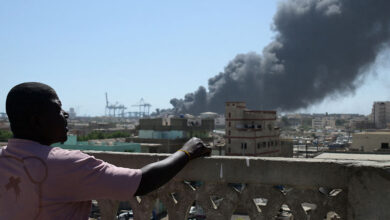
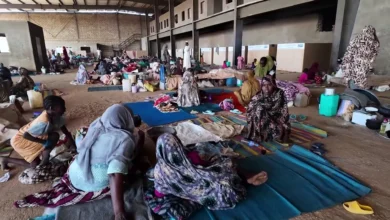
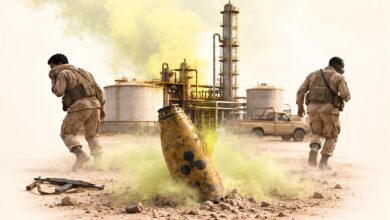
These findings carry greater significance today, as drones have become a major driver of the war’s escalation. In September 2026, the United Nations fact-finding mission stated that external support and foreign military technology had expanded the warring parties’ ability to carry out long-range strikes. It also reported that more than 1,000 people had been killed in drone attacks during the first five months of 2026. The mission further documented strikes that hit civilian facilities, hospitals, markets and sites sheltering displaced people.
Against this backdrop, Turkey stands out as one of the countries associated with supplying the technology that has helped develop this form of warfare. According to a recently published analysis, Turkish drones have become central to the Sudanese army’s military operations. This raises concerns that advanced military technology, rather than bringing the conflict to a swift conclusion, may give the war greater staying power and propel it into even bloodier phases.
From Humanitarian Aid to Influence
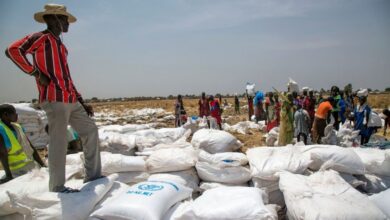
The issue does not concern Turkish humanitarian aid itself. The sources I reviewed do not provide sufficient evidence to claim that it is being used directly to transport weapons. The concern, however, lies in the overlap between Turkey’s humanitarian and diplomatic activities on the one hand and its expanding defence and military relationships on the other.
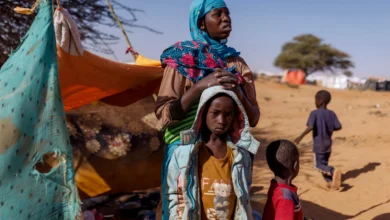
A more complex picture emerges: a country presents itself as a humanitarian and diplomatic partner in a nation facing one of the world’s worst humanitarian crises, while its defence companies are linked to military technology now deployed on the battlefield.
This contradiction raises a legitimate question: can a country act as a humanitarian mediator in a war while its defence industry simultaneously supplies military capabilities used in that conflict?
Drones: A Weapon That Prolongs the War
According to this assessment, the most concerning aspect of Turkey’s role is not simply the sale of weapons, but the nature of those weapons. Drones allow the forces operating them to monitor and strike distant areas without a direct ground presence. This lowers the cost of military operations and enables strikes to continue over longer periods.
The United Nations has warned that major advances in drone capabilities have extended the reach of attacks across Sudan, allowing strikes to hit areas far from the front lines. Last September, the fact-finding mission stated that foreign military drone systems had increased the Sudanese army’s capacity to conduct long-range strikes and that some of those strikes had hit civilian sites.
Here lies the paradox: the more technologically sophisticated the war becomes, the greater its potential to continue, while civilians bear the heaviest cost.
Mediation Put to the Test by Competing Interests
Turkey’s involvement in Sudan is also politically sensitive because Ankara has sought to present itself as an actor capable of playing a diplomatic role in the crisis. Combining mediation with military relationships, however, invites criticism over conflicting roles.
If Turkey seeks to help end the war, the continued flow of military technology linked to the country into the conflict raises questions about the consistency of its diplomatic role with its defence activities.
This does not mean that Turkey alone is responsible for the war’s continuation. External military support can nevertheless alter the belligerents’ calculations and delay a settlement, particularly when it involves advanced weapons that enable fighting to continue over long distances.
As the war continues and the humanitarian catastrophe deepens, Turkey’s role warrants closer scrutiny: aid and mediation in the foreground, defence relationships and military technology in the background.
The central question is not whether Turkey assists Sudanese people, which is a separate issue, but whether aid and diplomacy can help end the war while Turkish military technology strengthens the capacity to keep fighting.
This paradox is drawing growing criticism of Turkey’s role in Sudan, particularly at a time when drones have become one of the war’s most dangerous instruments and among those with the greatest impact on civilians.