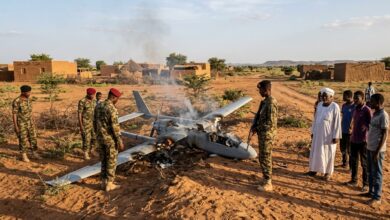
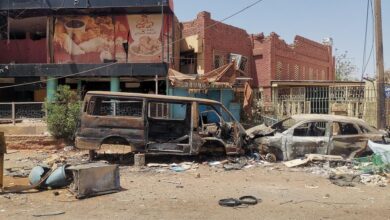
The Hidden Dimensions of Sudan’s Conflict: From Chemical Weapons Scandals to Battles over Money and Influence in Port Sudan
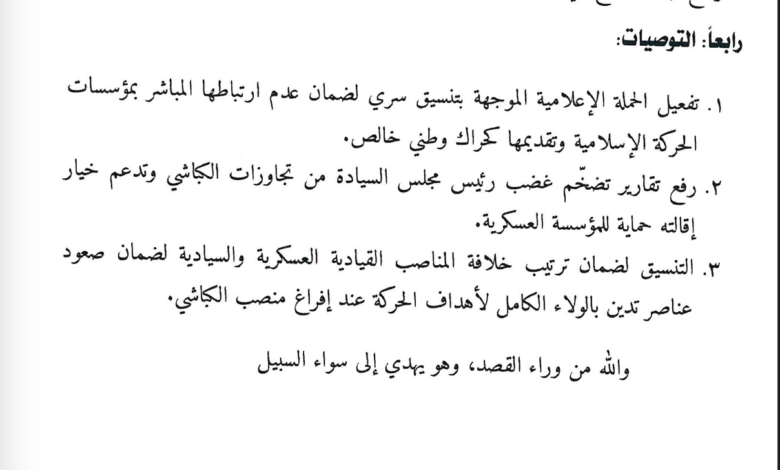
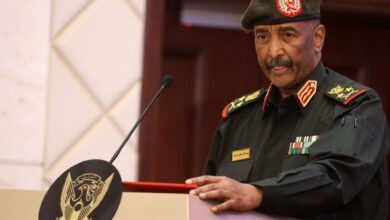
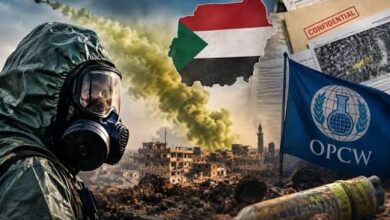
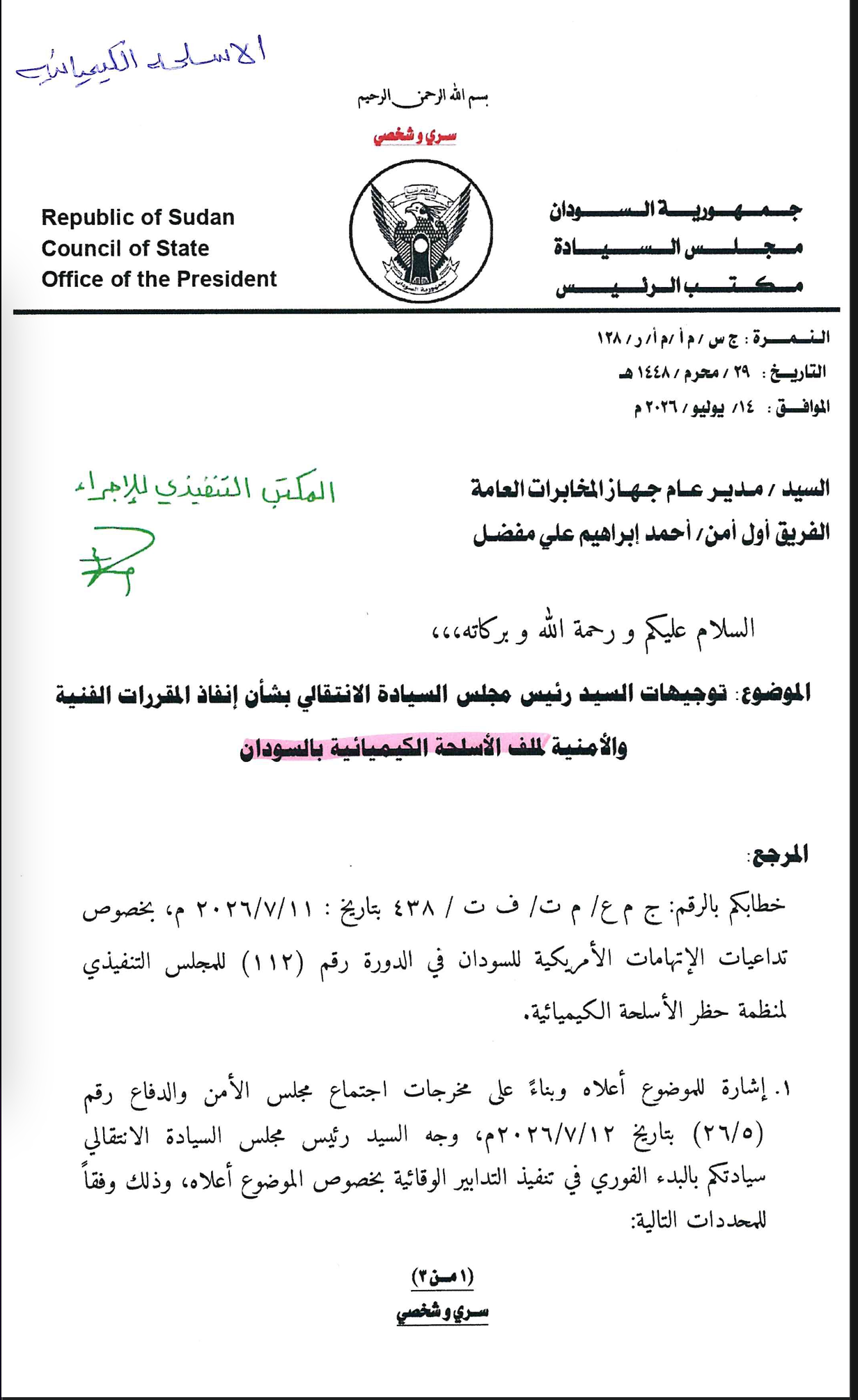
Developments on the ground in Sudan are reportedly little more than the visible face of deeper struggles over prohibited weapons and the distribution of political and financial influence. According to intelligence reports, the Rapid Support Forces have allegedly penetrated the Sudanese army’s security and military apparatus and obtained decisive documents establishing its possession and use of toxic chemical weapons in recent military operations.
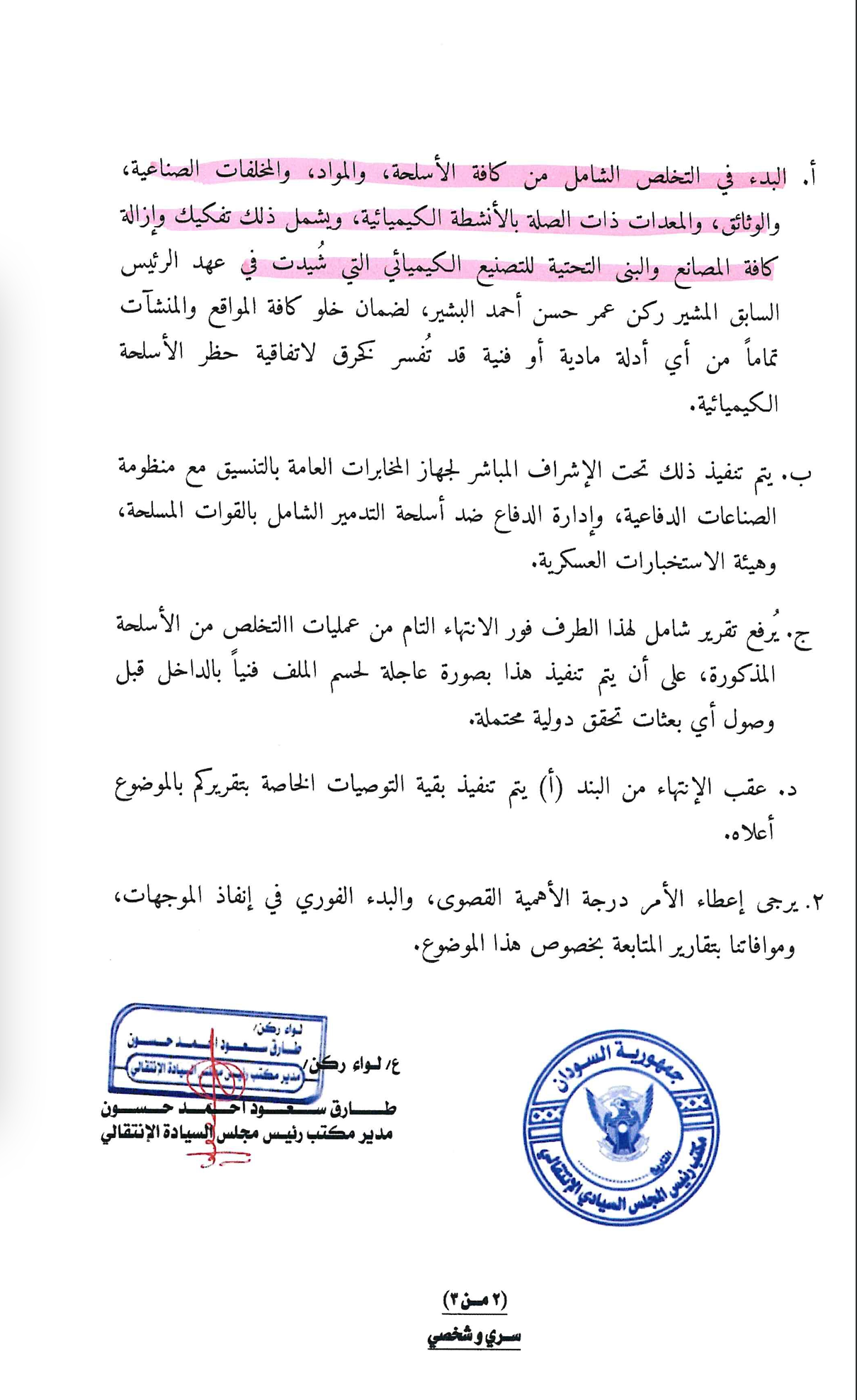
This revelation reportedly posed an existential threat to the military leadership’s legitimacy, prompting extraordinary measures by the army to dispose rapidly and systematically of all related weapons, substances and industrial waste, and to destroy documents and equipment associated with chemical activities before they could become evidence in an international investigation backed by major powers.
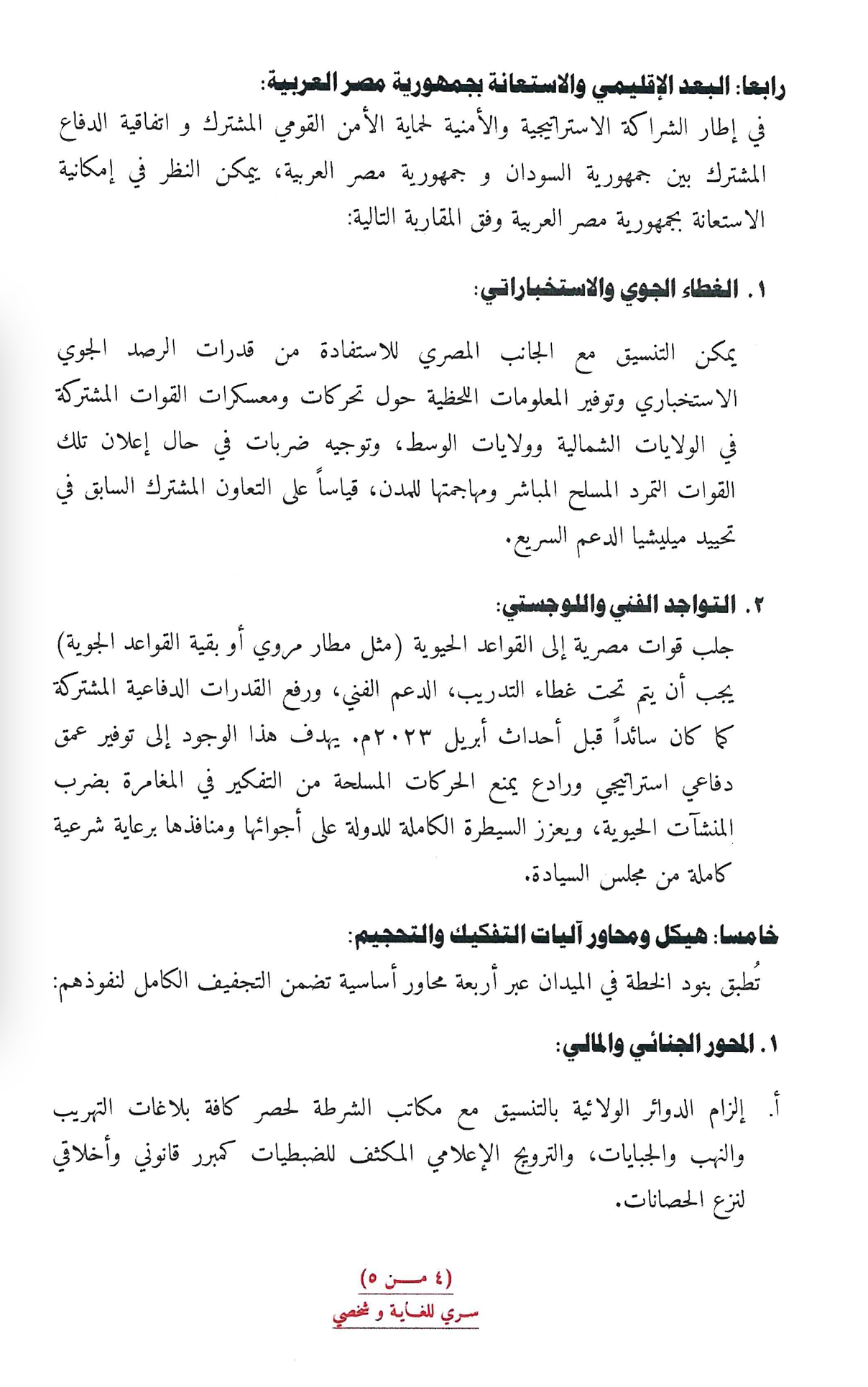
Regional ties further complicate the situation, particularly through the reported connection between the chemical weapons dossier and Iran. Sensitive substances and waste were allegedly transferred to Iran under the direct supervision and coordination of Sudanese intelligence, suggesting the depth of the secret alliance between Tehran and Khartoum.
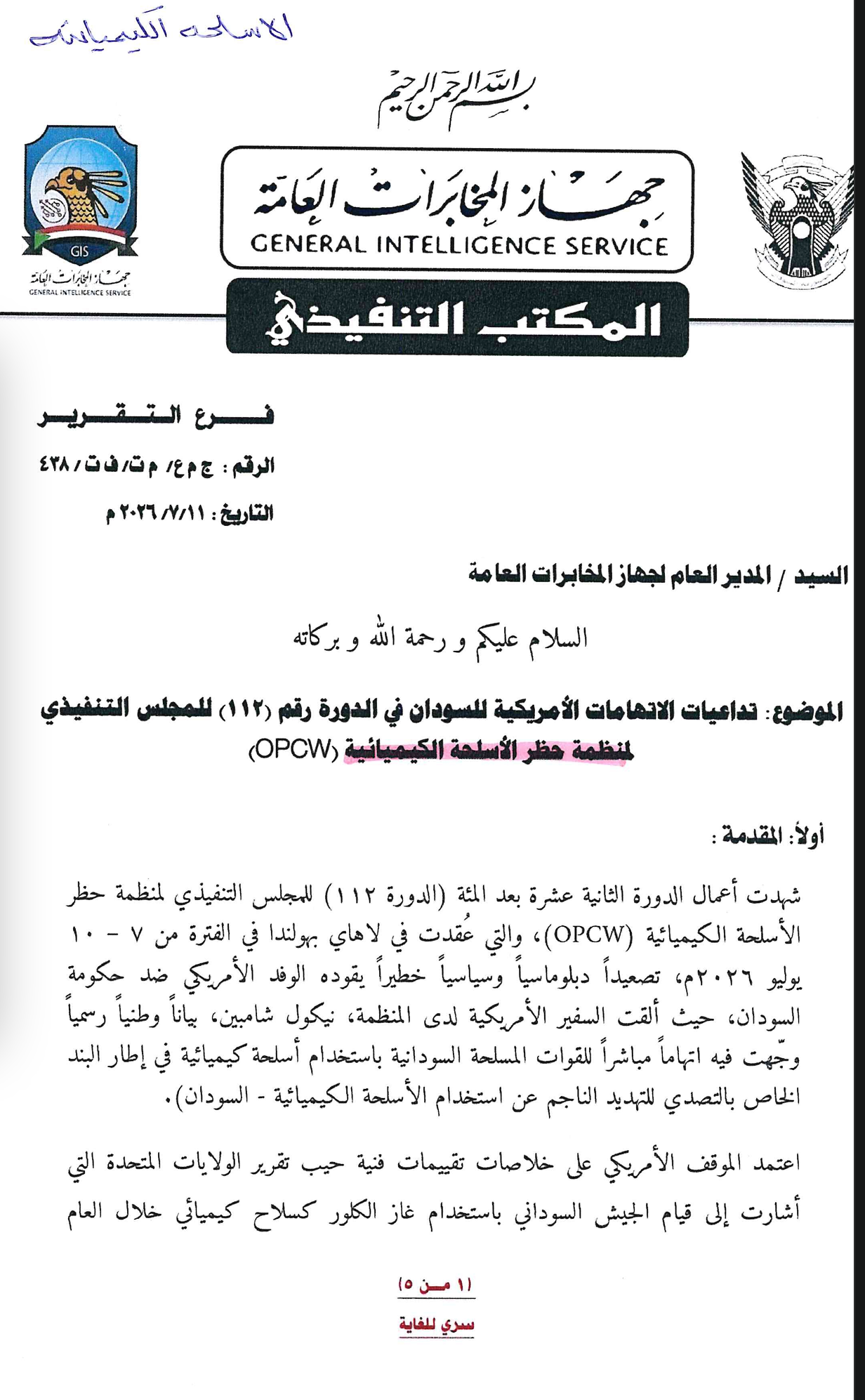
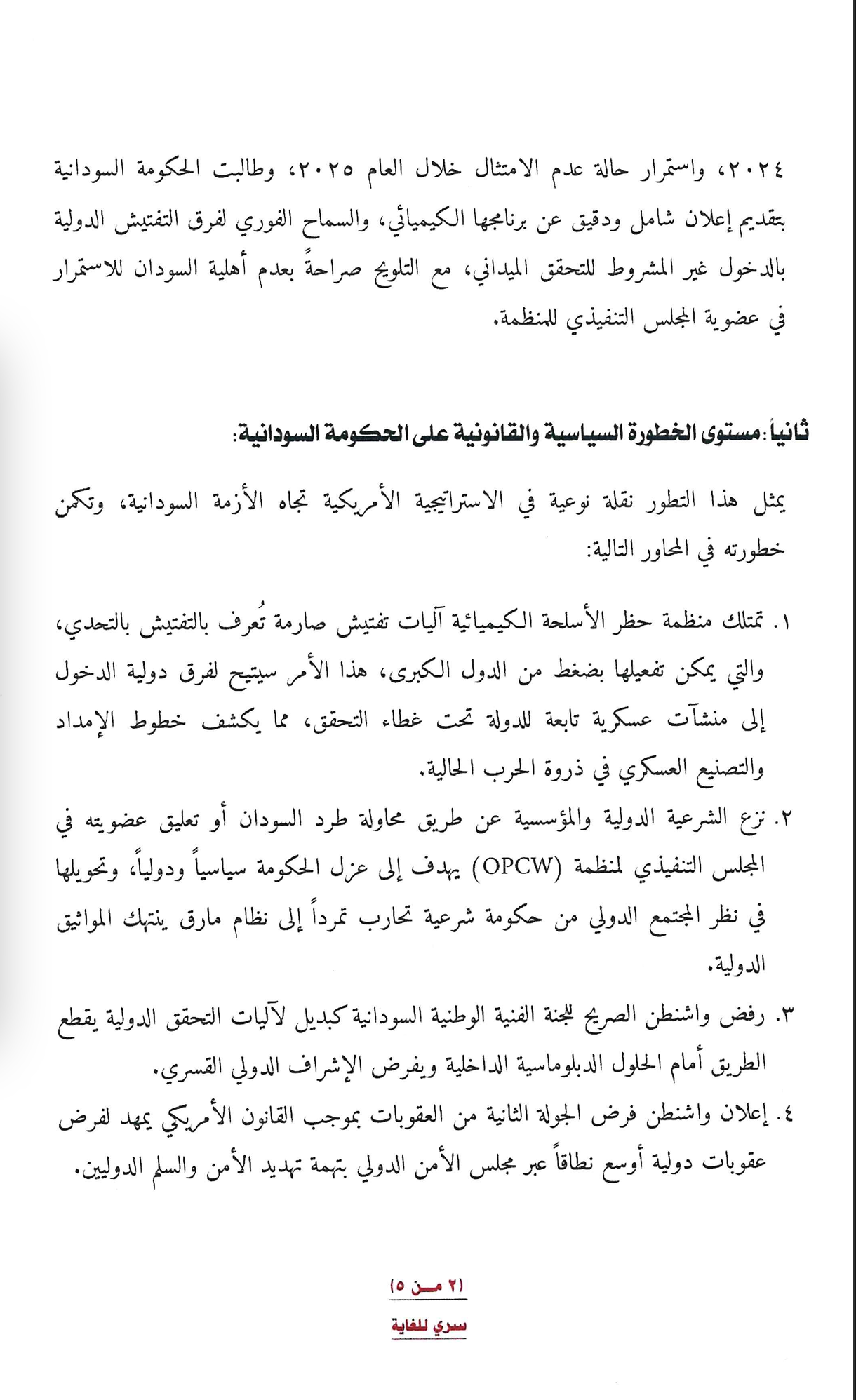
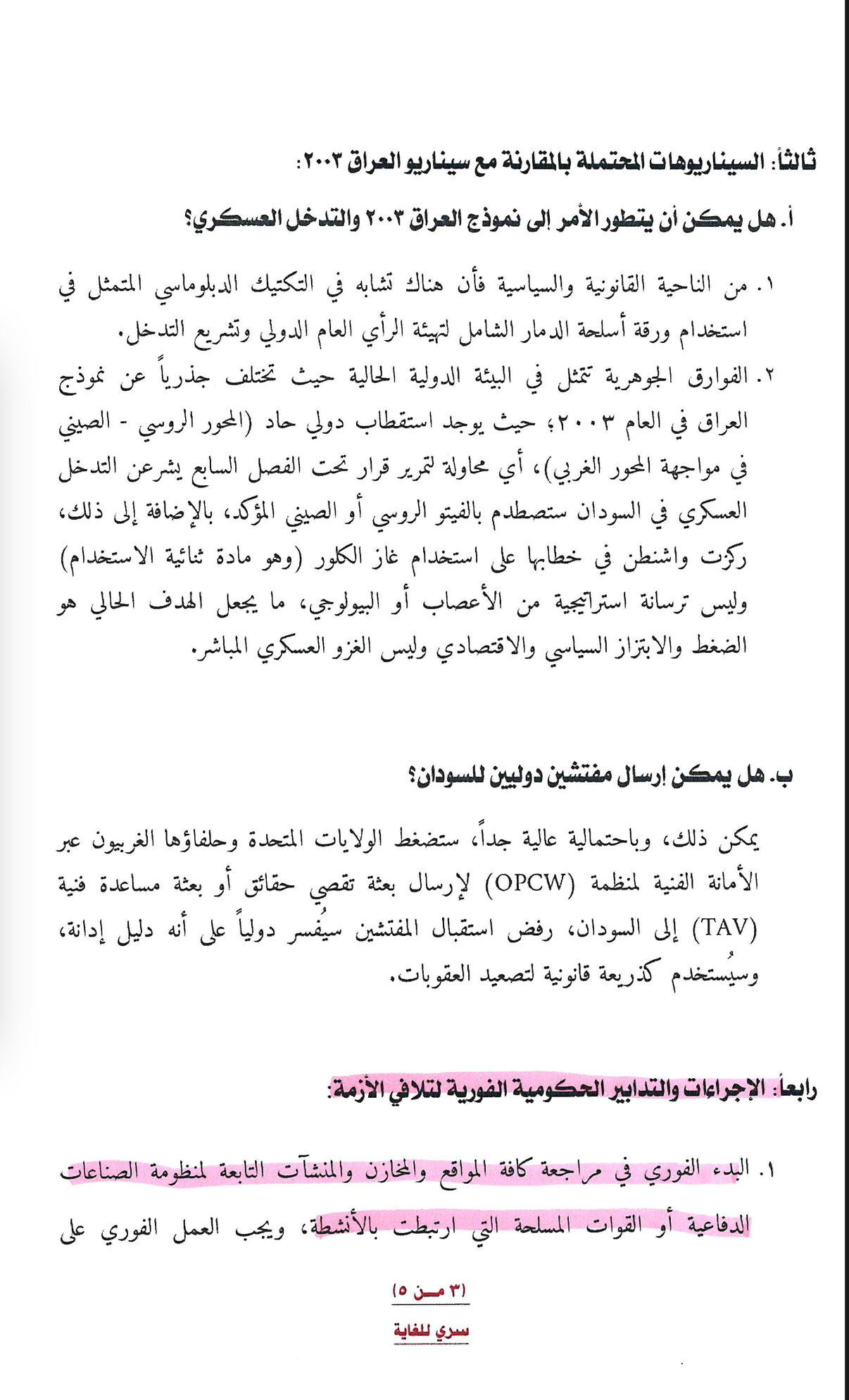
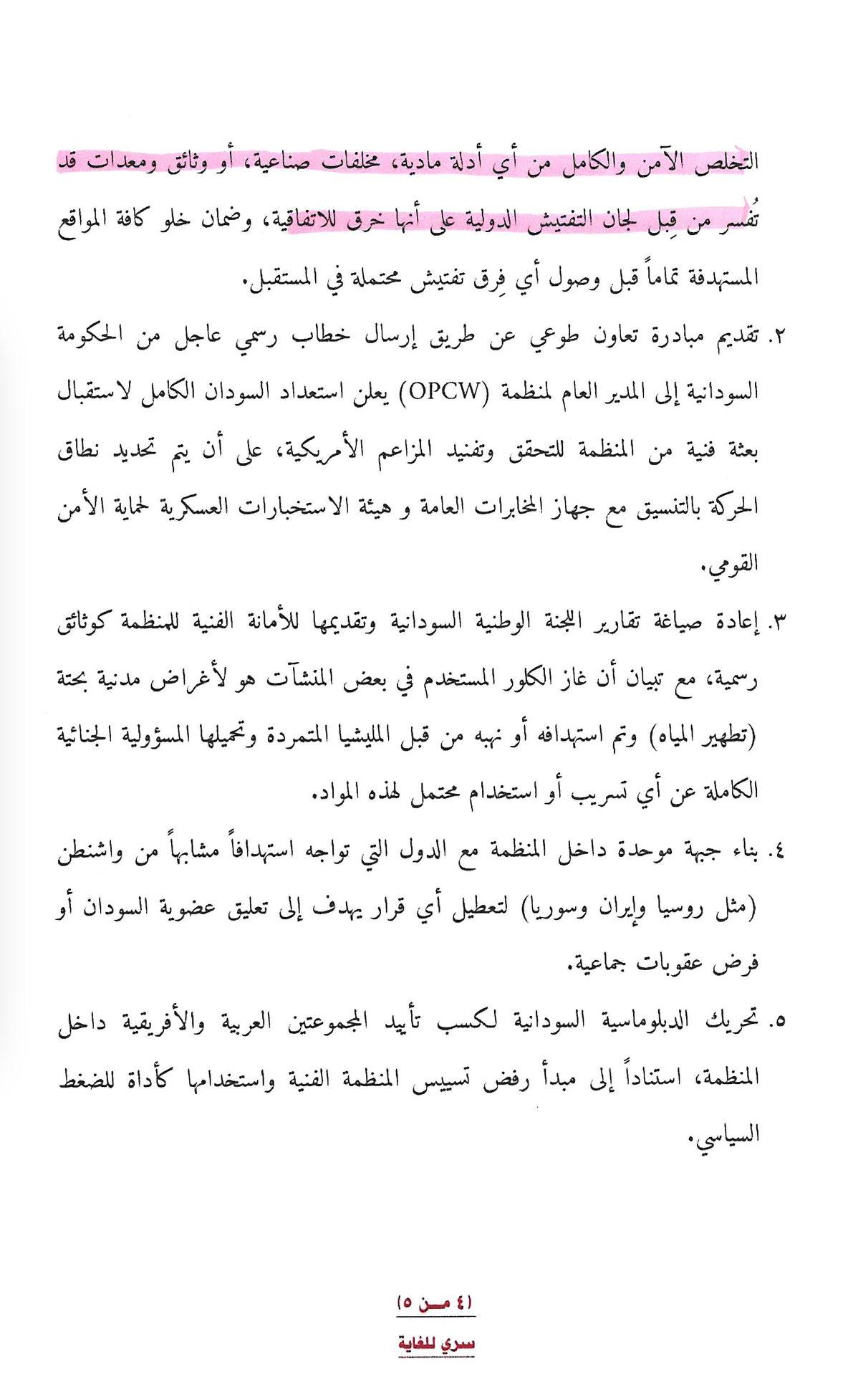
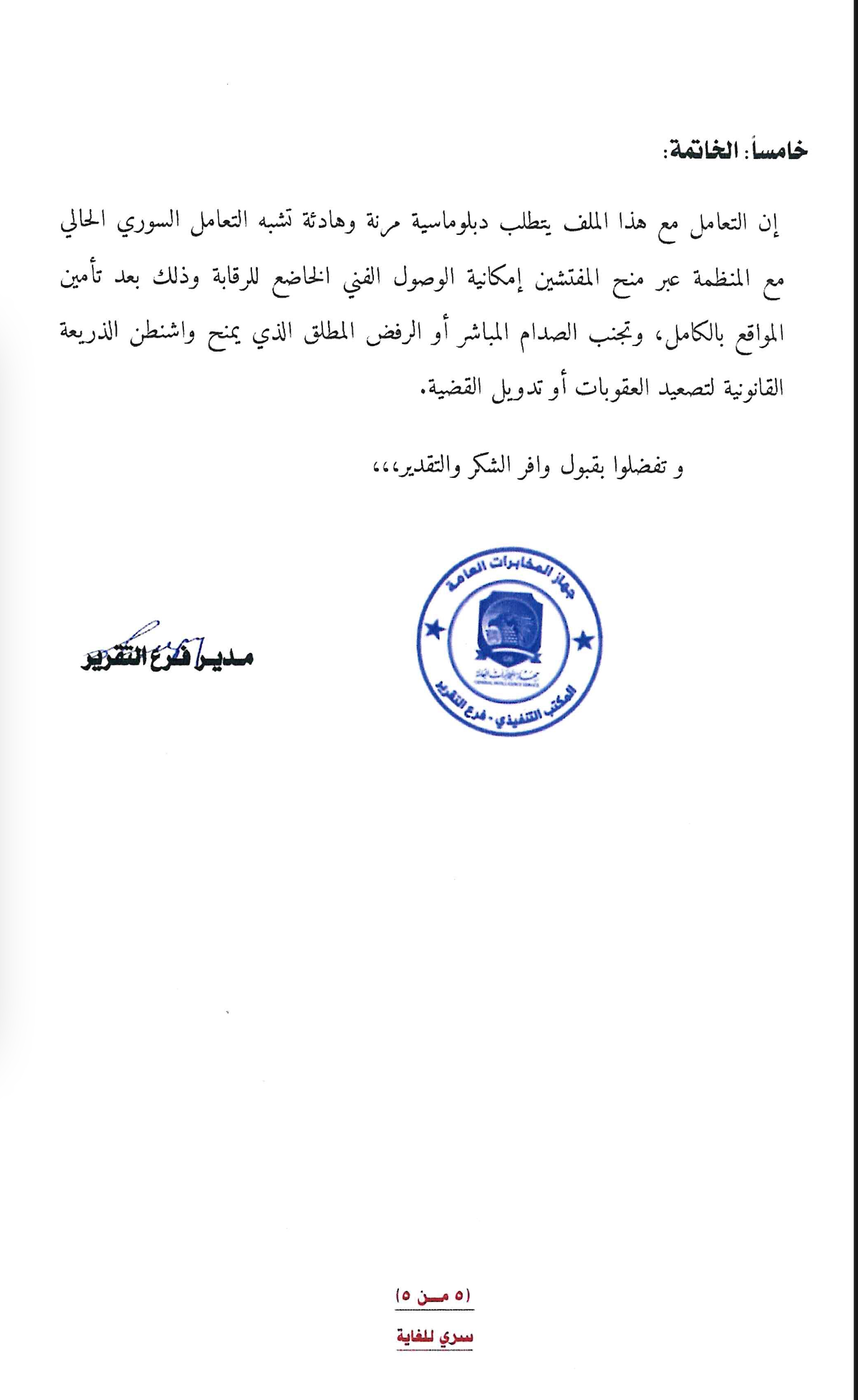
This axis reportedly drew strong international reactions. The US administration highlighted findings it considers evidence of the Sudanese army’s use of chemical weapons and imposed stringent sanctions on senior military officials. It also allegedly sought to magnify perceptions of the scale and nature of Iranian support for the army, with the aim of building a broad international coalition to intensify pressure on the Port Sudan authorities and isolate them internationally.
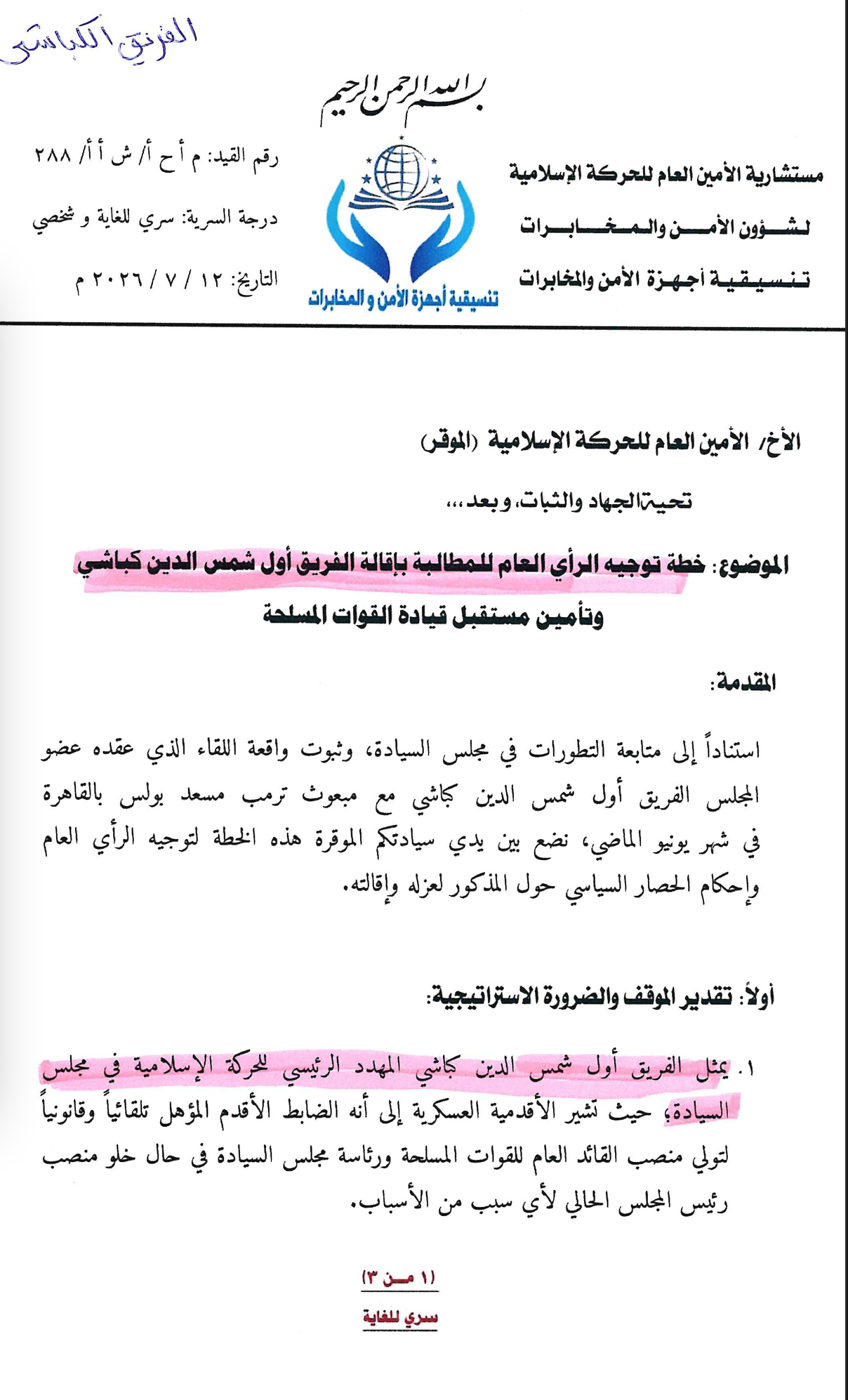
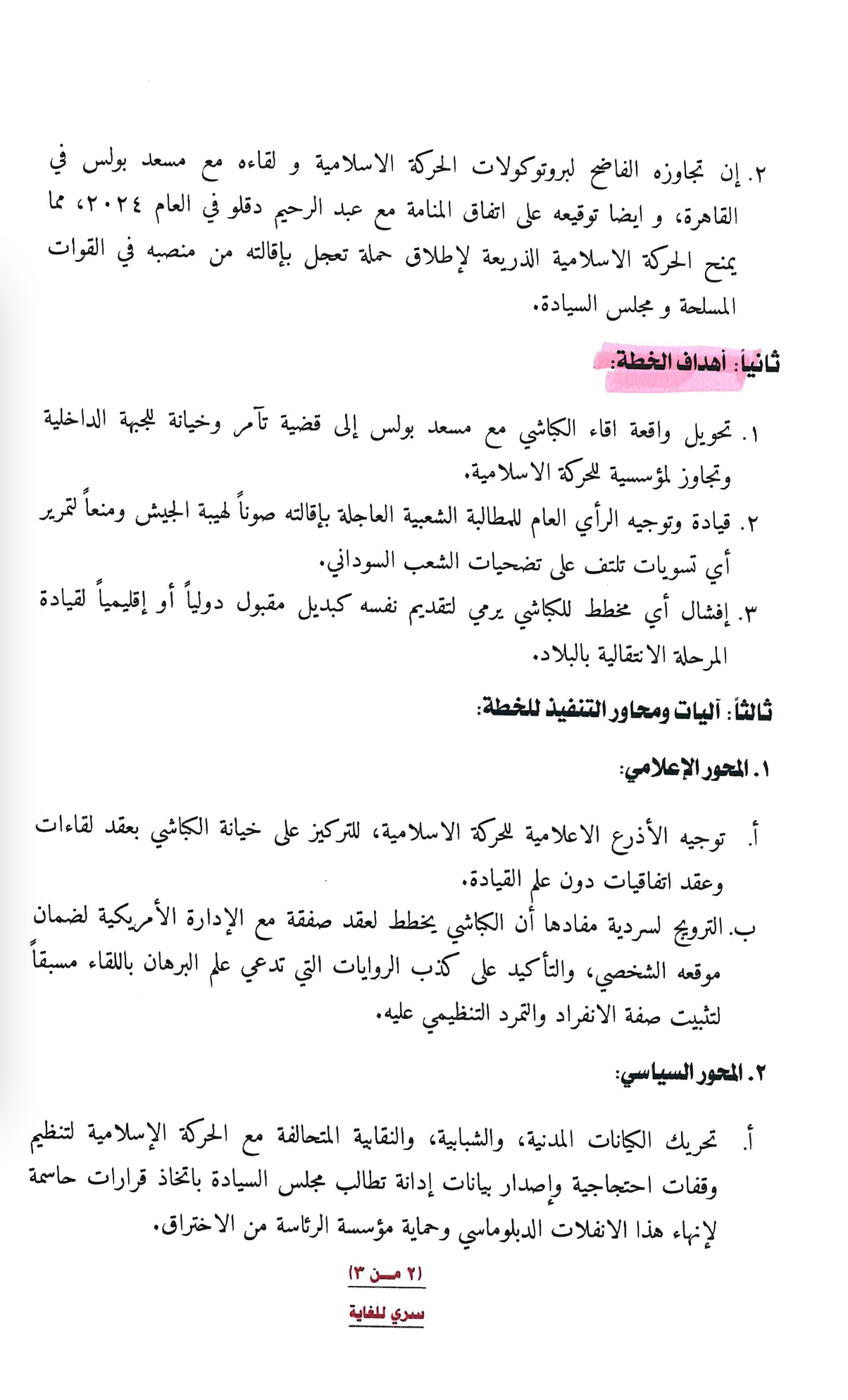
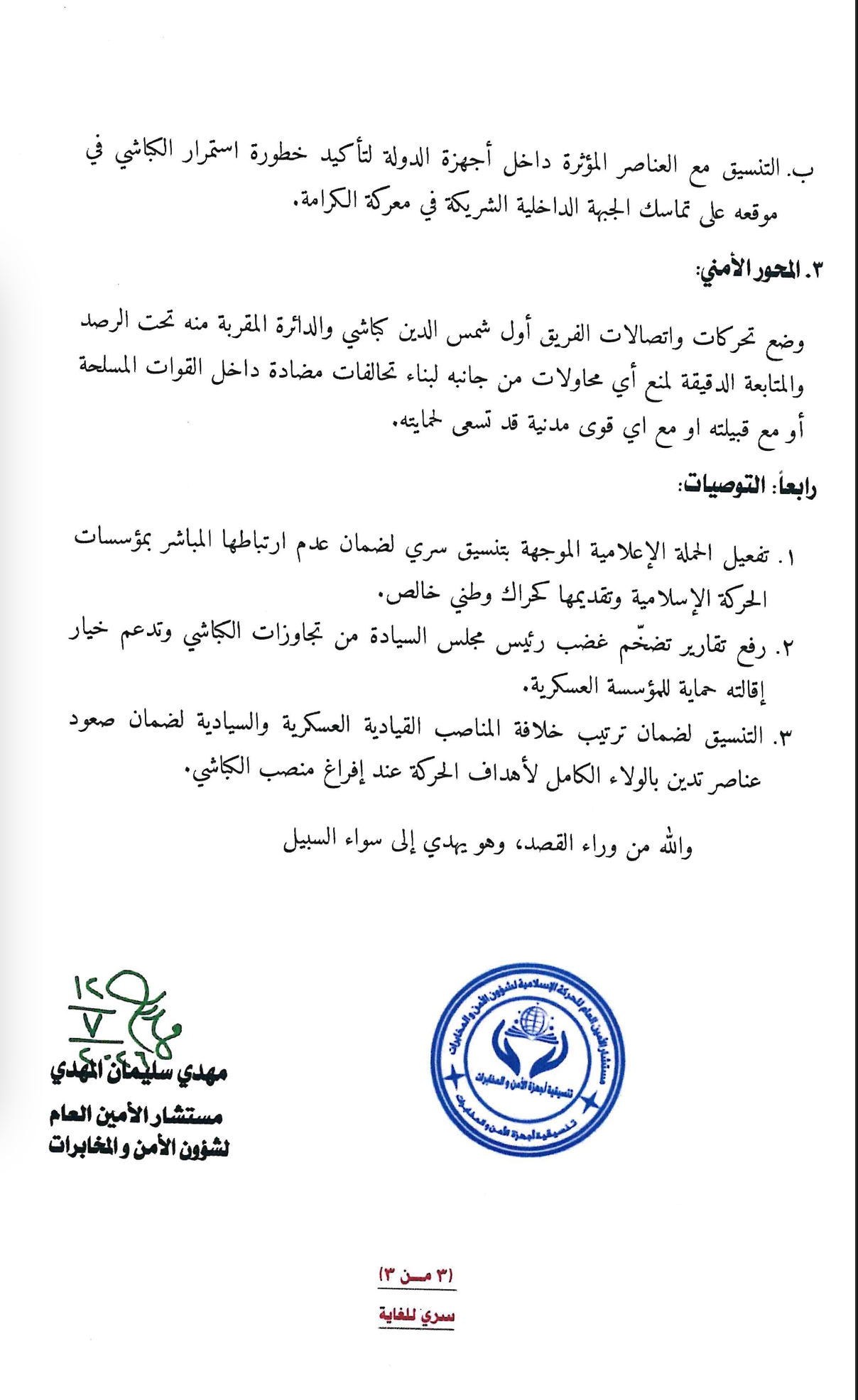
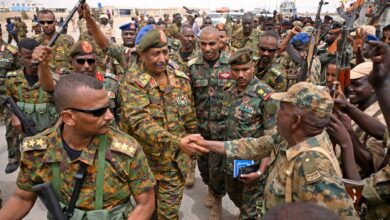
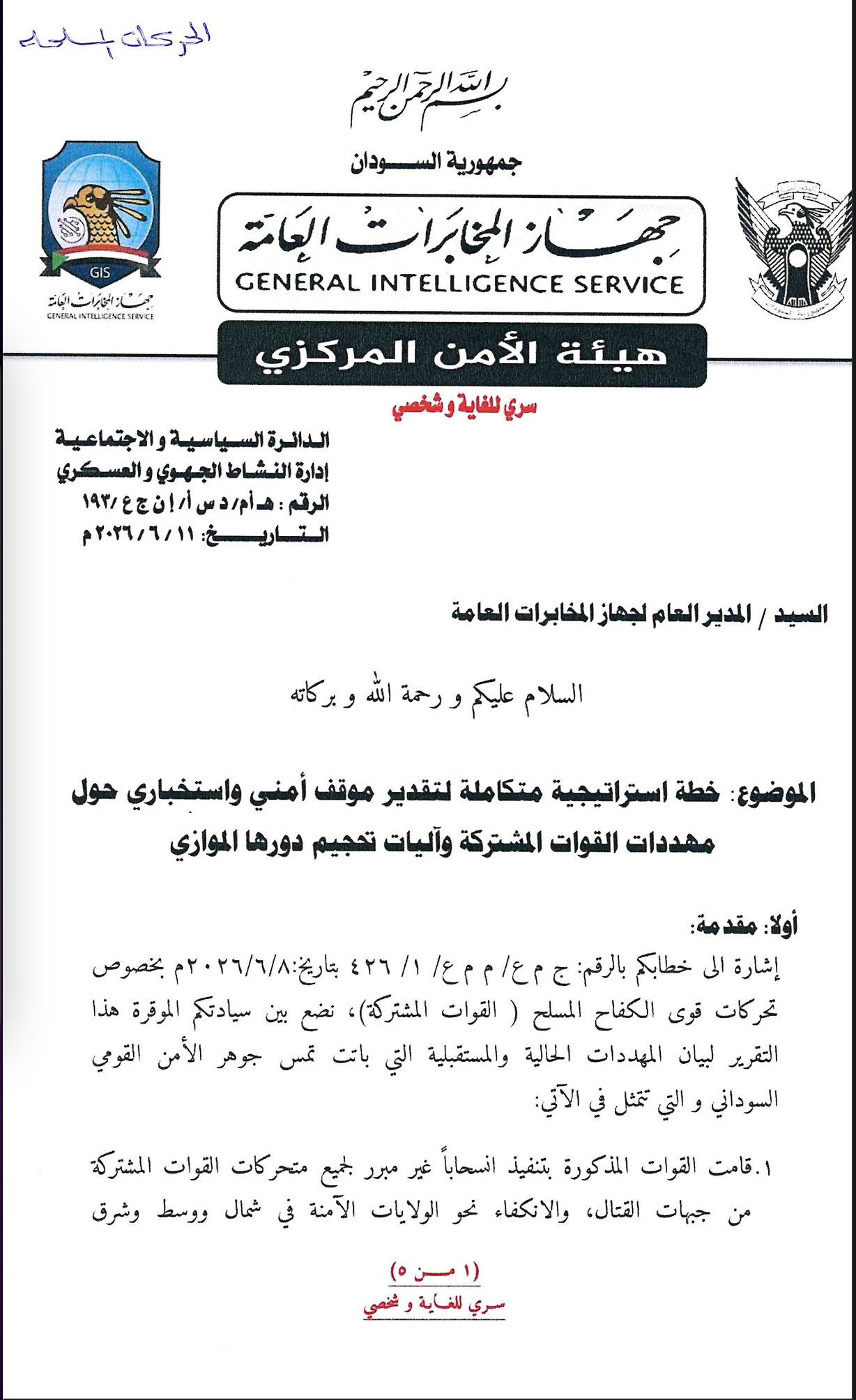
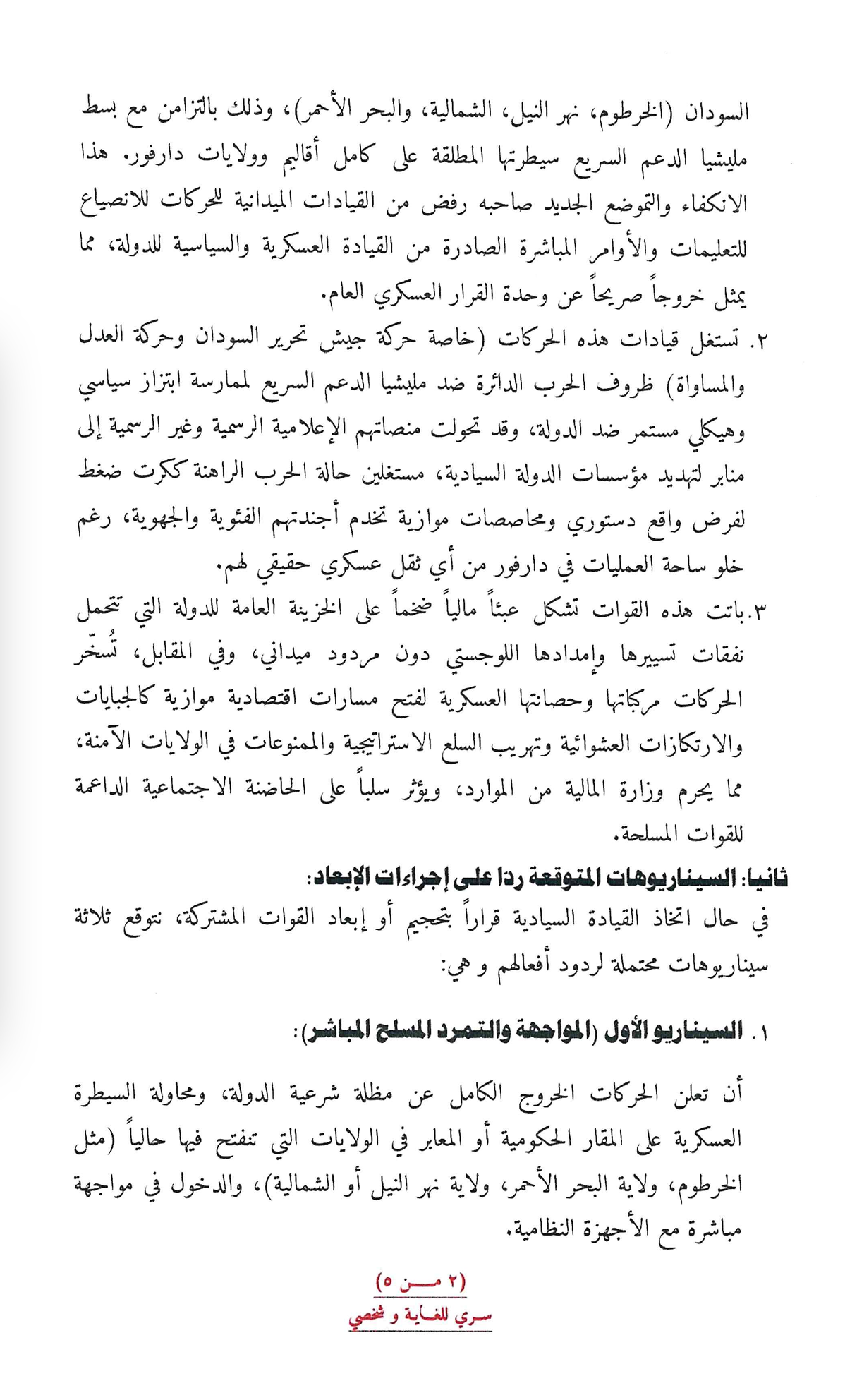
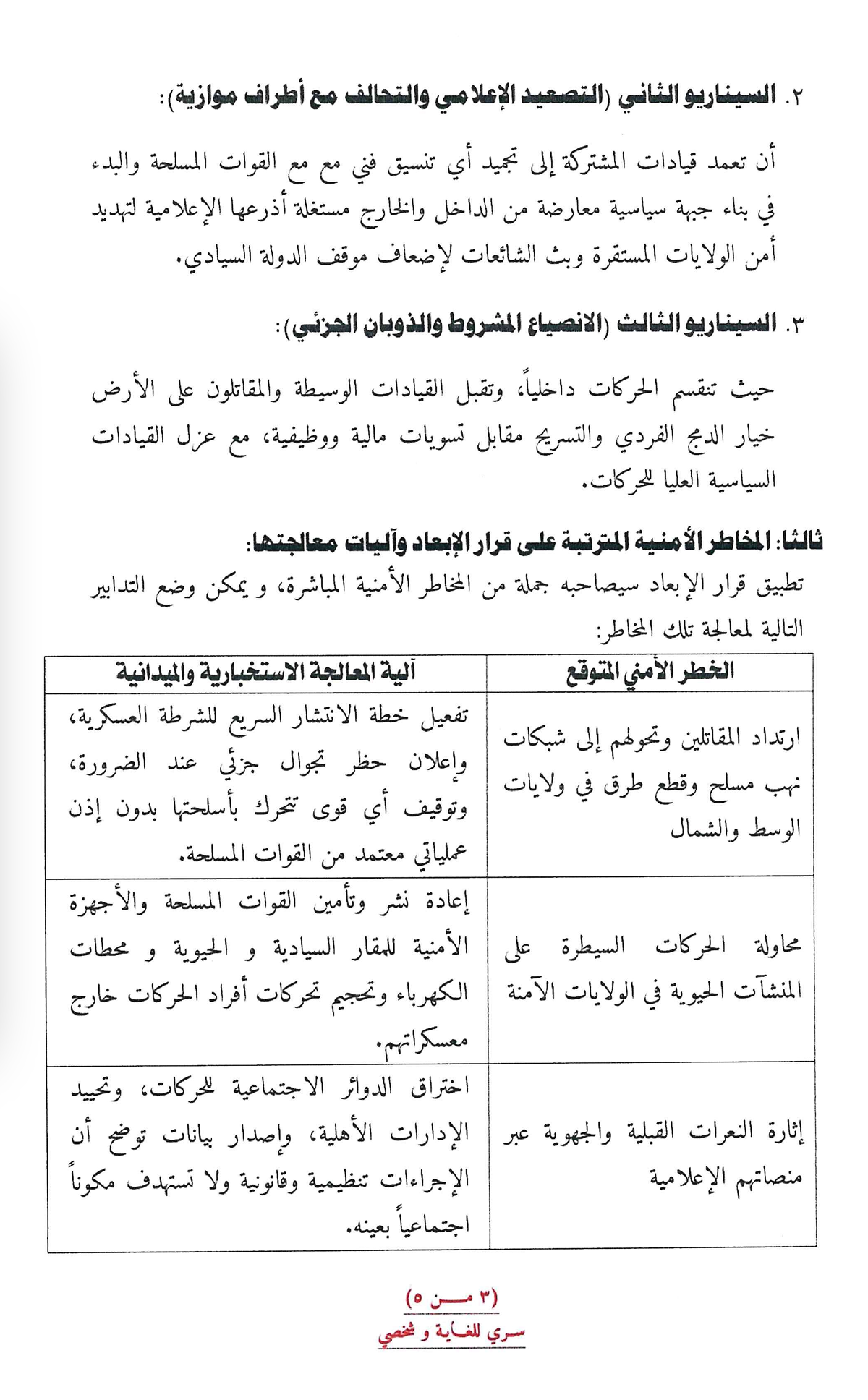
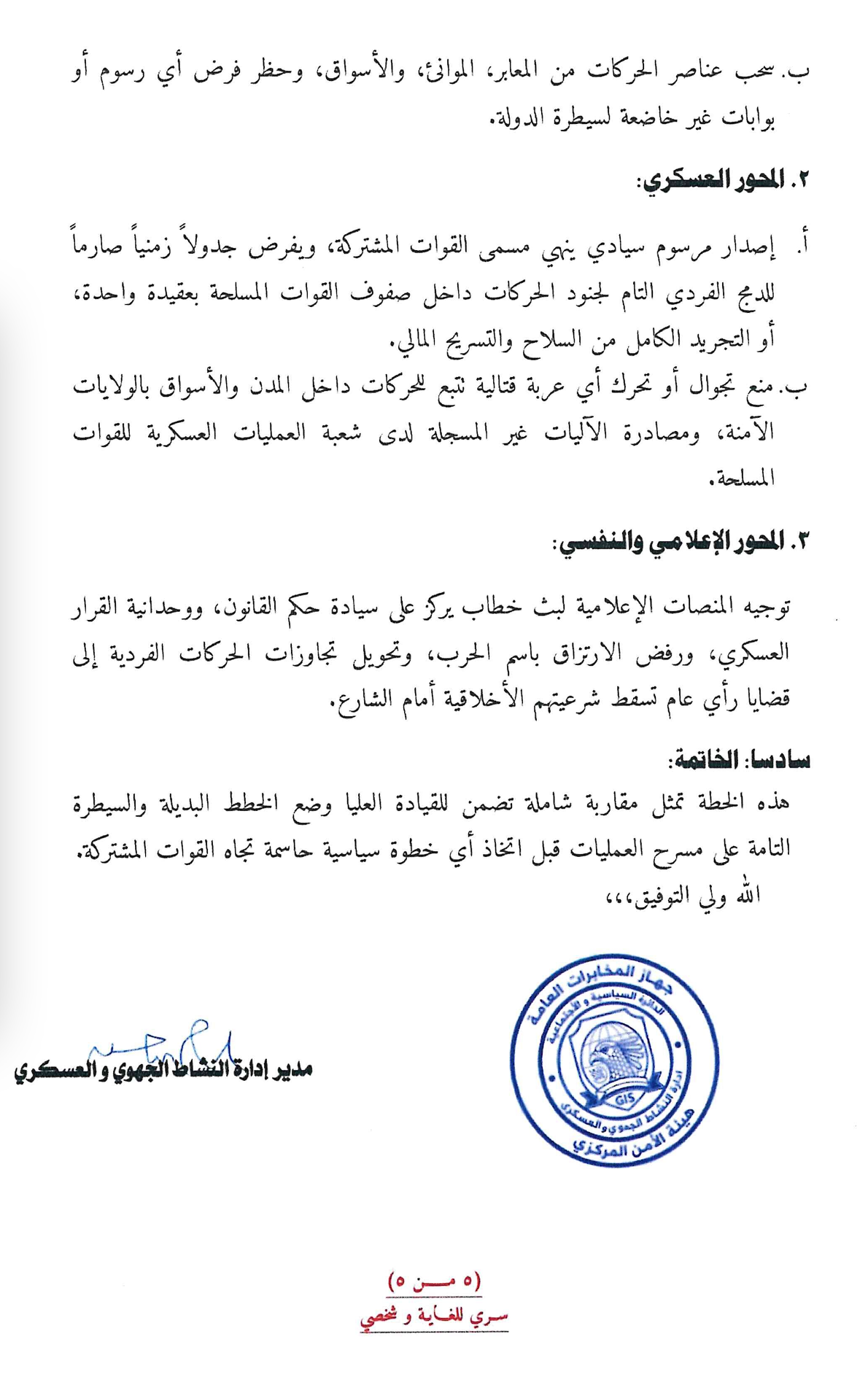
Domestically, these tensions are reportedly reflected in the army’s sustained efforts to undermine its relationship and alliance with the armed movements. It is allegedly devising operational plans to eliminate the “Joint Forces” by deploying them to particularly deadly fronts, seeking to weaken their position and prevent their participation in the government and the administration of the country after the war.
This exclusionary approach has reportedly triggered sharp and unprecedented divisions between the army and the armed movements, whose leaders are said to be refusing to comply with its instructions and directives. Meanwhile, these movements have allegedly become a substantial financial burden on the public finances of the Port Sudan authorities, which are already facing economic collapse. This situation threatens to bring about the complete breakdown of an alliance forged out of military necessity, turning former comrades-in-arms into new adversaries on the Red Sea coast.