From the Sudanese Pound to the Daily Loaf: How the Foreign Exchange Crisis Became a Burden on Everyday Life
At first glance, the foreign exchange crisis may appear to concern only banks, importers and traders. In reality, however, it has become one of the issues most closely connected to everyday life in Sudan. As the need for dollars to finance imports grows while the economy’s capacity to supply them remains limited, pressure spreads from the currency market to local markets and, ultimately, to household budgets.
This chain of effects explains a significant share of the economic pressure in areas controlled by the Port Sudan authorities: dollars become scarcer, the Sudanese pound comes under strain, and imports become more expensive. Traders raise their prices, while transport and production costs also increase, fuelling a broader rise in the cost of living.
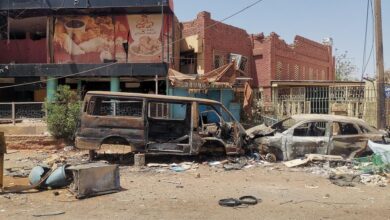
These developments are unfolding in an economy already suffering from the effects of war and the destruction of much of its productive capacity and infrastructure. The World Bank notes that Sudan’s economy has experienced sharp contractions since the outbreak of the conflict, with services, production and commercial activity remaining under considerable pressure.
When the Dollar Exchange Rate Becomes a Household Concern
Under normal circumstances, ordinary citizens may pay little attention to daily movements in the foreign exchange market. In the current situation, however, the dollar exchange rate affects almost everything.
A trader importing cooking oil, sugar or spare parts needs to know the cost of foreign currency. A bakery owner needs to monitor flour and fuel prices. A truck driver needs to know the cost of diesel. A farmer needs to track the prices of inputs, pumps and spare parts. All of them ultimately recalculate their costs according to the value of the currency.
When the pound depreciates, the impact extends far beyond banking transactions. Currency depreciation acts as an implicit tax on consumption: people need more pounds to buy the same product.
Recent data have shown rising inflation and a weakening pound during 2026, while economic reports have linked higher prices to sustained demand for foreign currency.
Purchasing Power Is the First Casualty
Prices can rise in any economy. The real danger emerges when incomes fail to keep pace.
This is what makes the situation particularly painful for Sudanese households. Employees on fixed incomes may find the real value of their salaries declining month after month. Workers and people earning a living through small-scale occupations face even greater difficulties when job opportunities shrink, or demand for services falls.
Families are then forced to make difficult choices about their priorities. They cut back on meat, then on certain vegetables and clothing, before postponing medical care, education expenses, or maintenance. Saving may become impossible for large sections of society.
This is more than an economic consequence; it is a profound social shift. Persistent price increases force households to change their consumption patterns and rely more heavily on borrowing, assistance, or additional work.
Flour, Cooking Oil and Sugar Prices Reveal the Depth of the Crisis
The crisis is clearly visible in the prices of essential goods. Flour plays a particularly sensitive role in the food supply, while cooking oil and sugar are part of the daily consumption of millions of households.
When import, transport, or financing costs rise, traders cannot absorb the increases indefinitely. Eventually, those costs are passed on to consumers.
Price increases for these goods cannot be viewed in isolation from the wider economy. Flour costs are linked to transport and energy. Cooking oil costs depend on imports or domestic production and its inputs. Sugar prices are affected by transport, customs clearance and financing costs. When fuel becomes more expensive, the cost of moving all these goods from ports or production areas to markets can rise as well.
Data from the Food and Agriculture Organization of the United Nations indicate that prices for several cereals in Sudanese markets have remained extremely high, amid production difficulties, supply chain disruptions and constraints on the country’s ability to meet its import requirements.
Fuel: A Crisis That Spreads Across Every Sector
It is no exaggeration to say that fuel is a major factor in determining many prices. An increase in the price per litre raises the cost of transporting goods, but it also increases the cost of running generators, agricultural machinery and other production equipment.
In September 2026, Khartoum and other areas saw long queues outside petrol stations, amid rising demand, a weak currency and higher import-related charges.
When people face fuel queues and rising fuel prices, the effects quickly become apparent in transport. Higher fares increase the cost of getting workers to their jobs and children to school. They also make it more expensive to move agricultural products to markets and deliver goods to shops.
Fuel thus becomes an inflationary force weighing on the entire economy.
Taxes Add Another Layer of Costs
The cost of an imported product does not end with its purchase price abroad. Customs duties, taxes, clearance fees, freight charges and domestic transport costs must also be paid.
As these costs rise, traders have less room to manoeuvre. They may be forced to raise prices or reduce imports. Both outcomes put pressure on consumers.
When the authorities restrict imports of certain goods, the aim may be to preserve foreign exchange reserves and encourage domestic production. Such a policy, however, requires practical alternatives. If local production cannot make up the shortfall, reducing imports may lead to shortages and higher prices.
During 2026, Sudanese importers criticised some import restrictions, arguing that they had compounded market difficulties without addressing the underlying causes of the exchange rate crisis.
Citizens Caught Between Two Markets
Sudanese citizens are effectively caught between two markets: the foreign exchange market, which determines the cost of imports, and the domestic market, which reflects those costs in retail prices.
Between them lies a chain of traders, importers, transport operators and producers, each trying to protect themselves against future risks.
A trader fears selling goods today and being unable to replace them tomorrow at the same price. Prices are therefore raised in anticipation of further changes. Consumers, meanwhile, fear additional increases and try to buy whatever they can afford now. This can, in turn, temporarily increase demand for certain goods.
Expectations of rising prices thus become a source of additional pressure on markets.
The Economic Crisis Becomes a Social Crisis
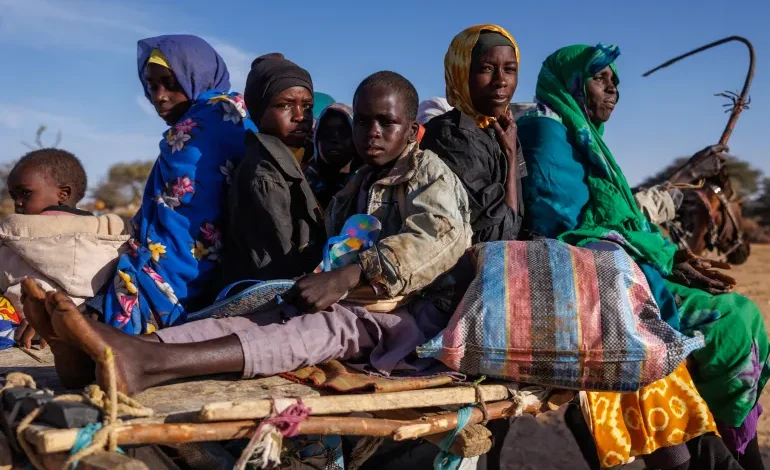
When necessities become more expensive, the consequences extend beyond economics. Families that cannot consistently afford food, medicine or transport live under constant strain.
The burden also grows for small businesses, which face higher rent, electricity, transport, and raw material costs while their customers’ ability to spend declines.
Another danger then emerges: business closures and layoffs. When demand falls and operating costs rise, keeping a business running becomes more difficult.
The crisis consequently enters a second vicious cycle: higher prices reduce purchasing power; weaker purchasing power lowers sales; falling sales put businesses under pressure; struggling businesses reduce opportunities to earn an income; and lower incomes lead to a further decline in consumption.
More Than Crisis Management Is Needed
The problem facing the Port Sudan authorities cannot be reduced to a shortage of dollars or rising prices. It runs deeper, affecting the economy’s capacity to rebuild its productive base and sustain its operations.
The economy needs strong domestic production, exports capable of generating foreign currency, an efficient banking system, clear import policies, and an environment that allows traders, producers, and consumers to anticipate what lies ahead.
If policies remain limited to responding to crises after they occur, citizens will continue to bear most of the cost.
It has become clear that the exchange rate is no abstract figure detached from everyday life. It is reflected in the price of bread, transport expenses, the cost of cooking oil and sugar, vehicle repairs, medicine prices, and a business owner’s ability to remain in operation.
Addressing the foreign exchange crisis is therefore more than a financial matter for the state alone. It is a question of livelihoods that directly affects people’s ability to survive and withstand the crisis.