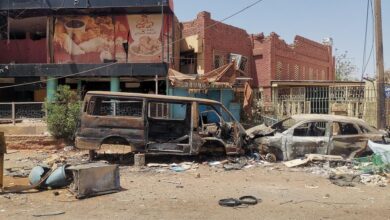
Behind Closed Doors in Sudan: Leaked Chemical Weapons Documents and a Plan to Remove Armed Movements from Power
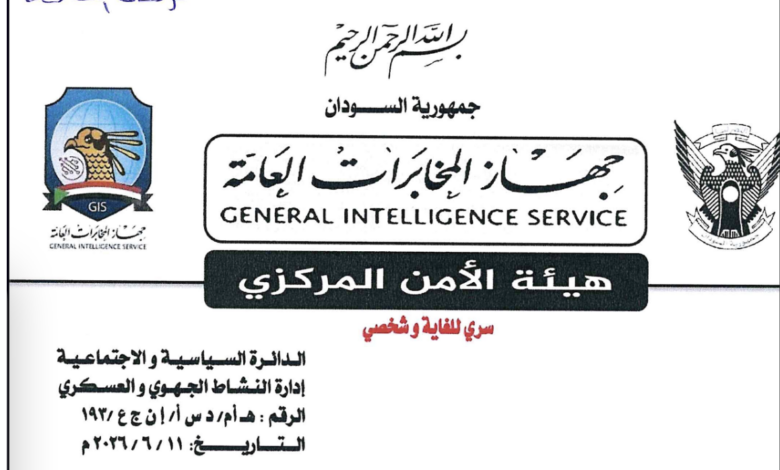
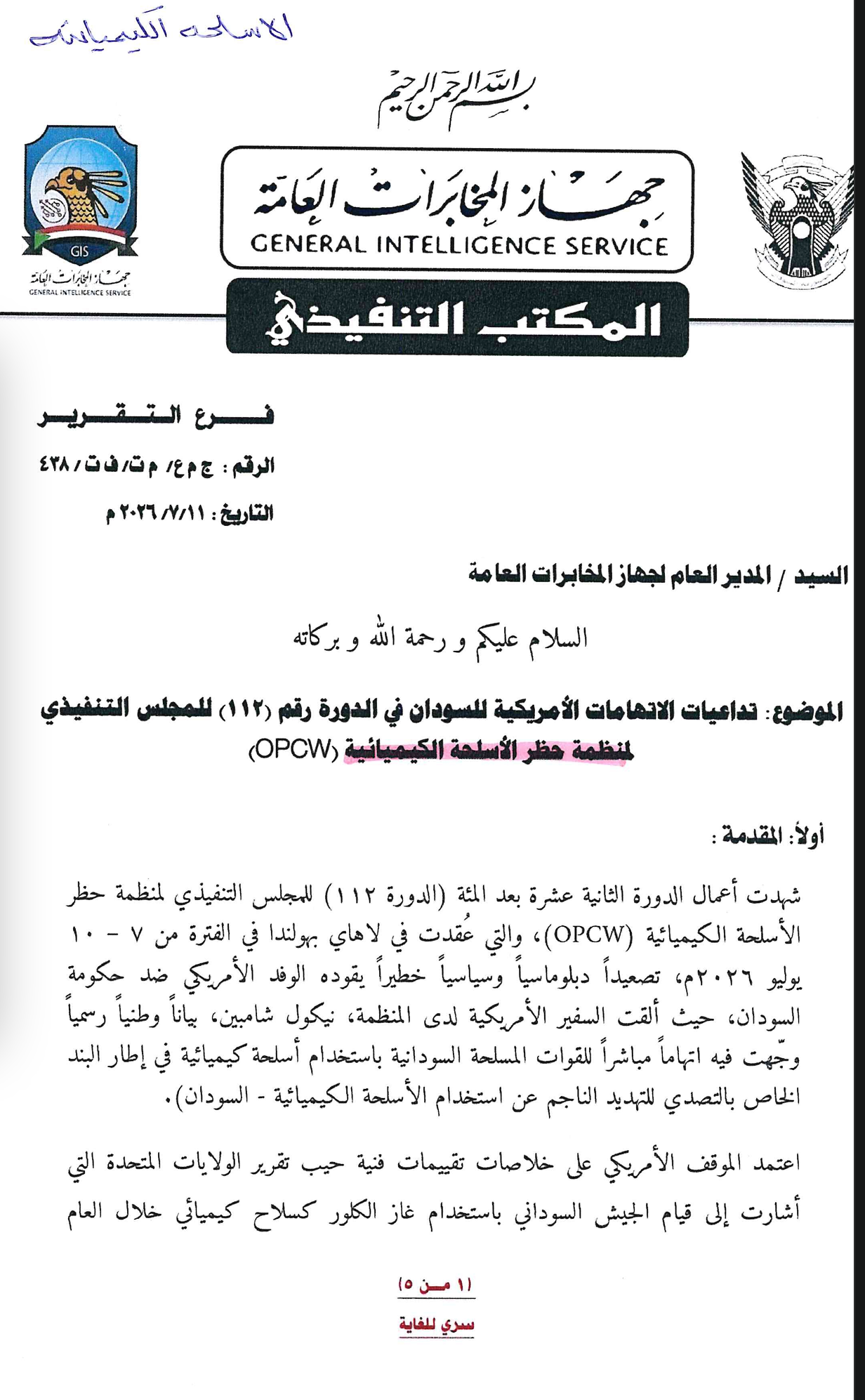
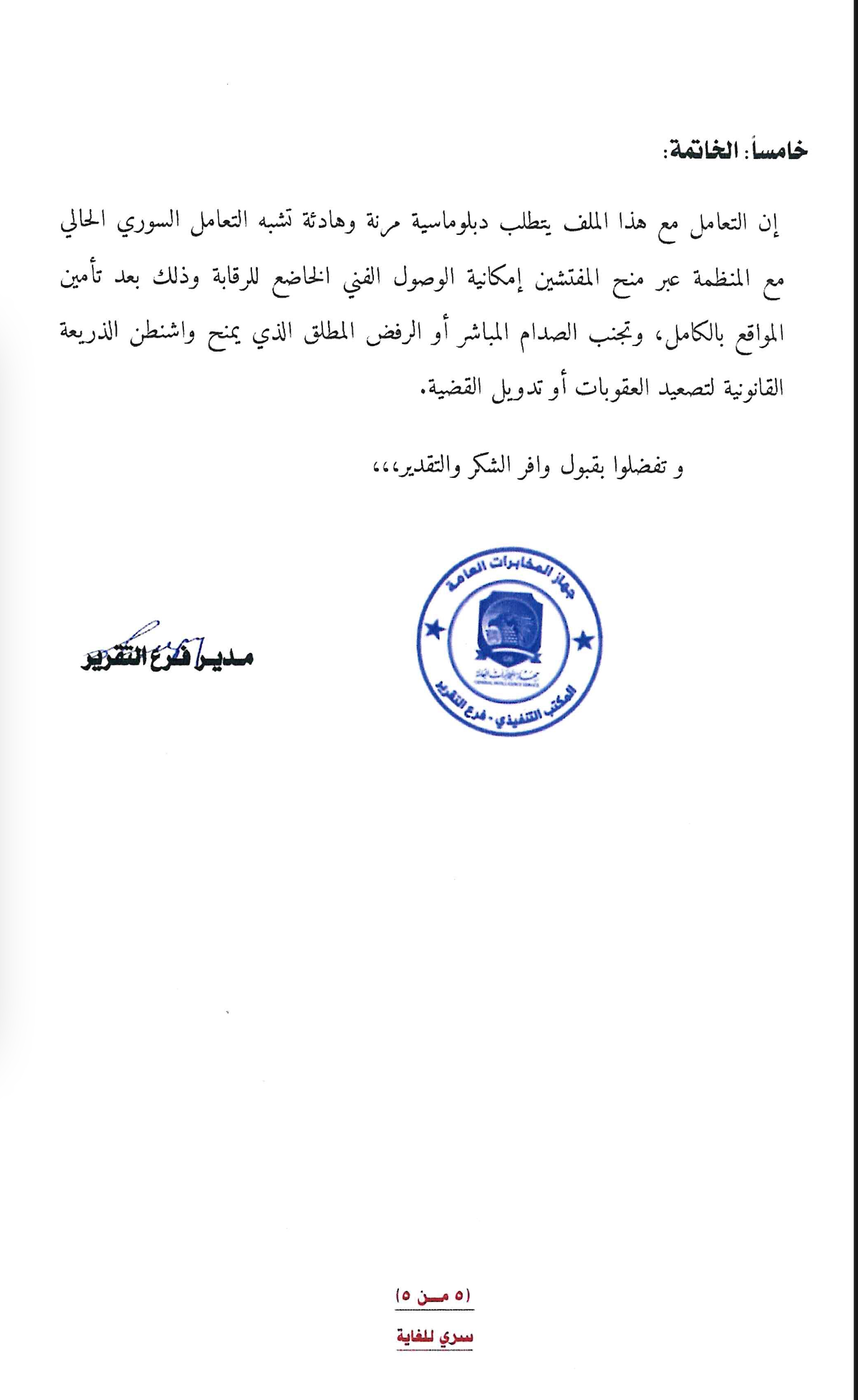
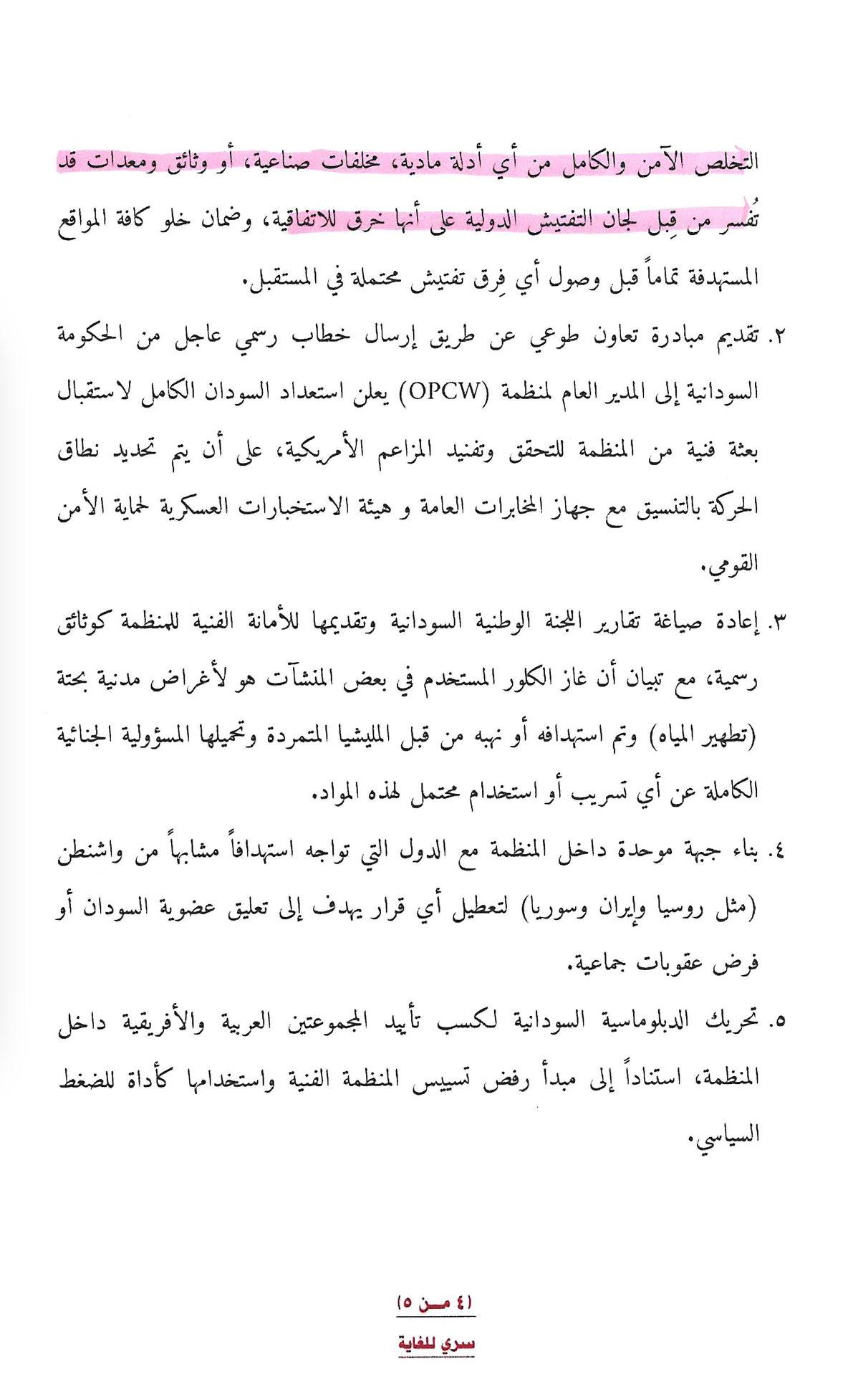
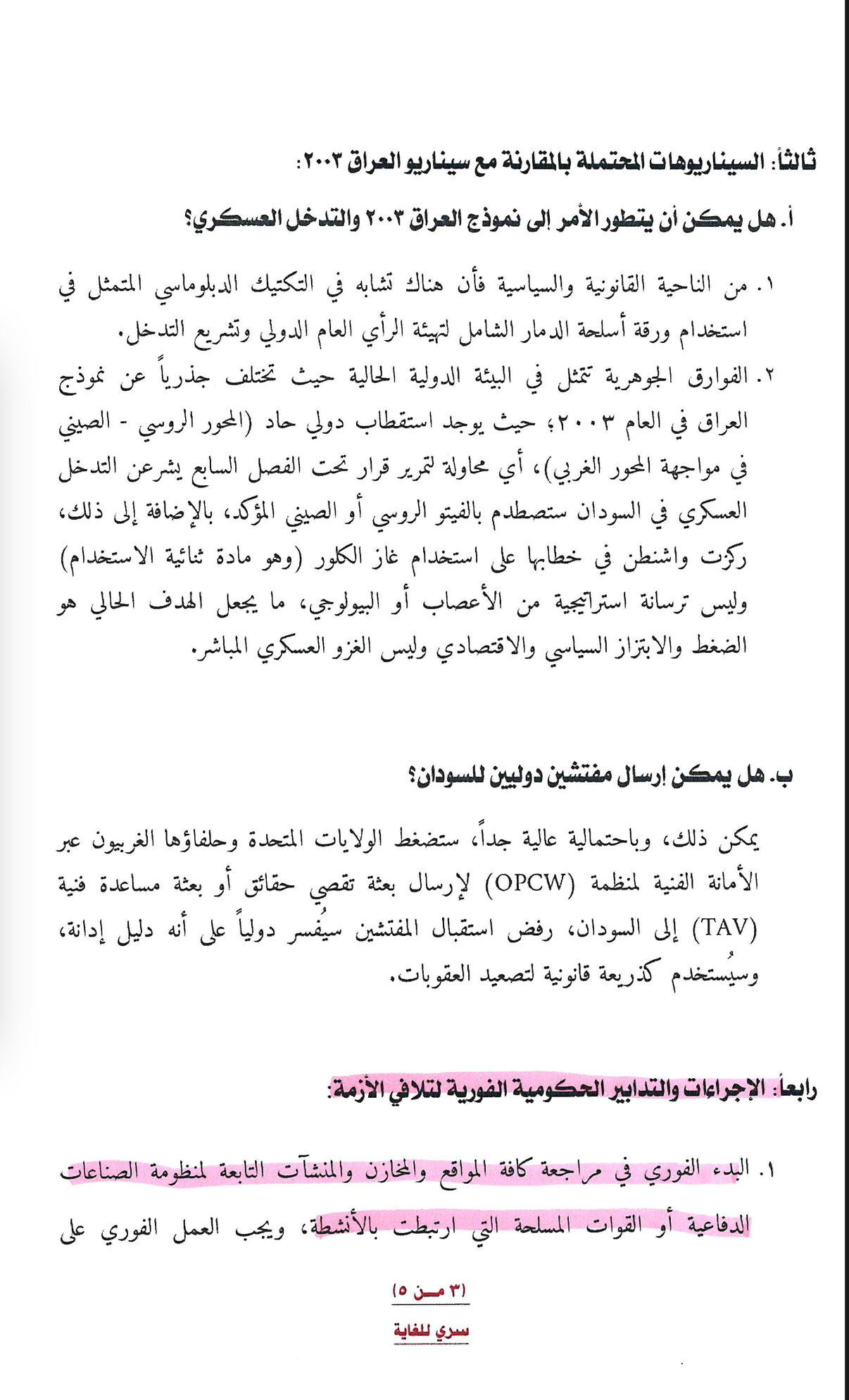
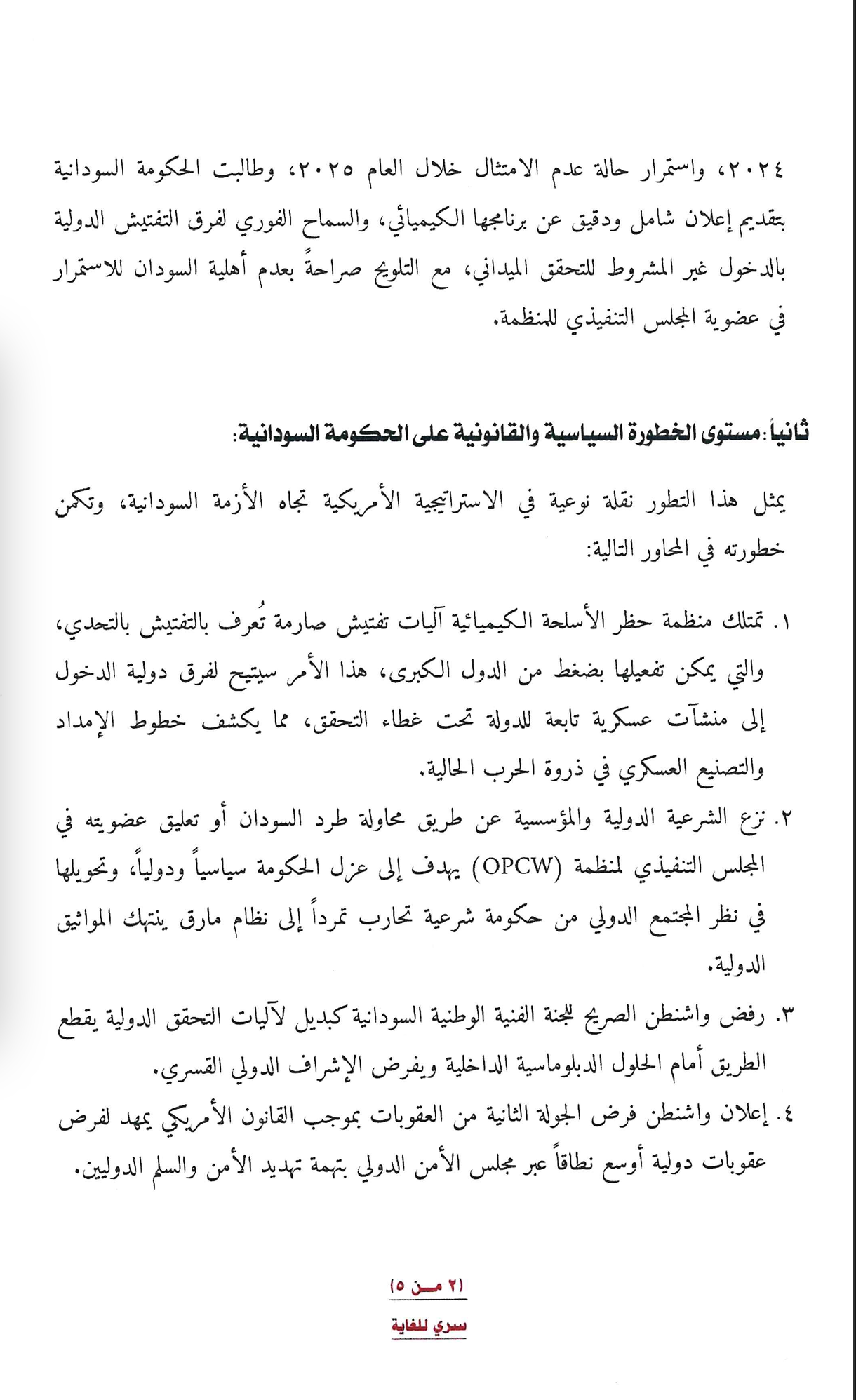
Sudan’s current war is moving beyond conventional confrontation to become a battle over secret files capable of reshaping international and regional positions. Available information asserts that the Rapid Support Forces have penetrated the most sensitive layers of the Sudanese military’s security apparatus and now possess official documents and military movement orders that conclusively establish the army’s use of chemical weapons in conflict zones.
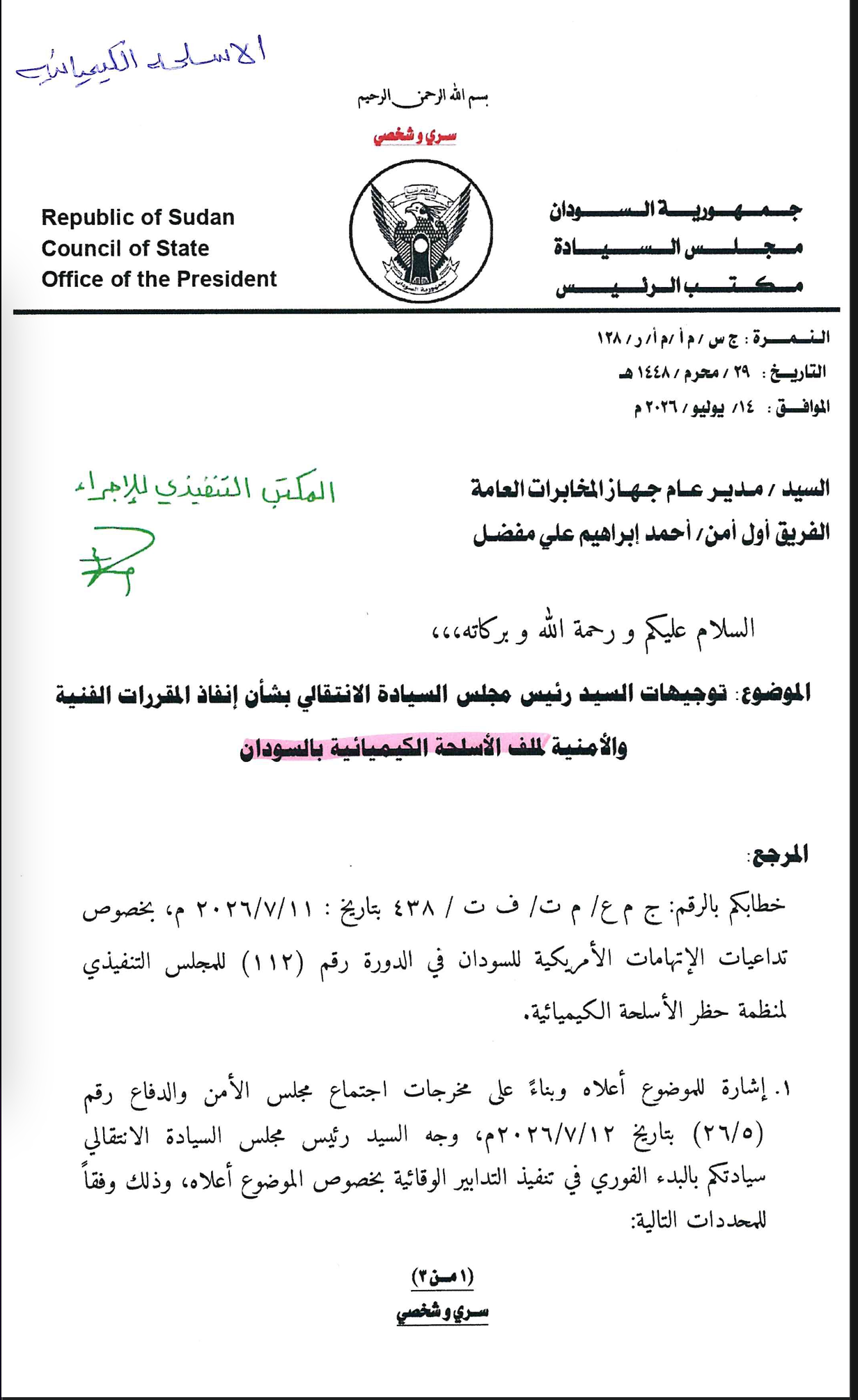
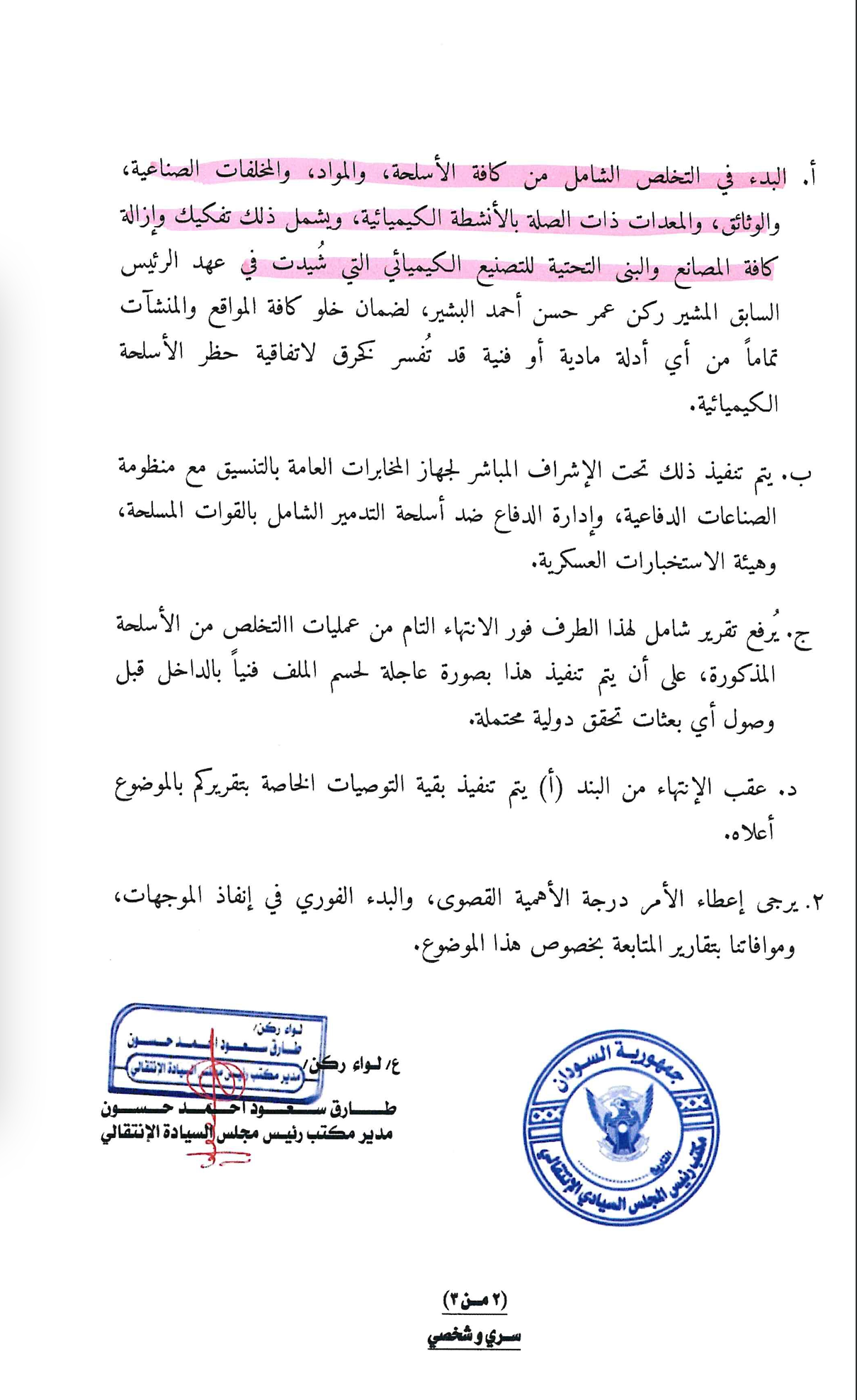
This major revelation reportedly caused panic within the General Command in Port Sudan, prompting strict, confidential security directives. These allegedly ordered accelerated efforts to dispose of weapons, chemical substances and industrial waste, and to destroy all documents and equipment associated with chemical activities. Burning or burying these materials in remote areas would serve to erase evidence of this international crime and avert criminal prosecution.
This cooperation in unconventional weaponry reportedly extends to a broader regional network. The documents are said to reveal a close connection between these chemical weapons and Iran, asserting that they reached Tehran under the direct sponsorship and supervision of Sudanese intelligence. The intelligence services allegedly drew on longstanding and renewed ties with the Islamic Revolutionary Guard Corps to facilitate these sensitive transactions.
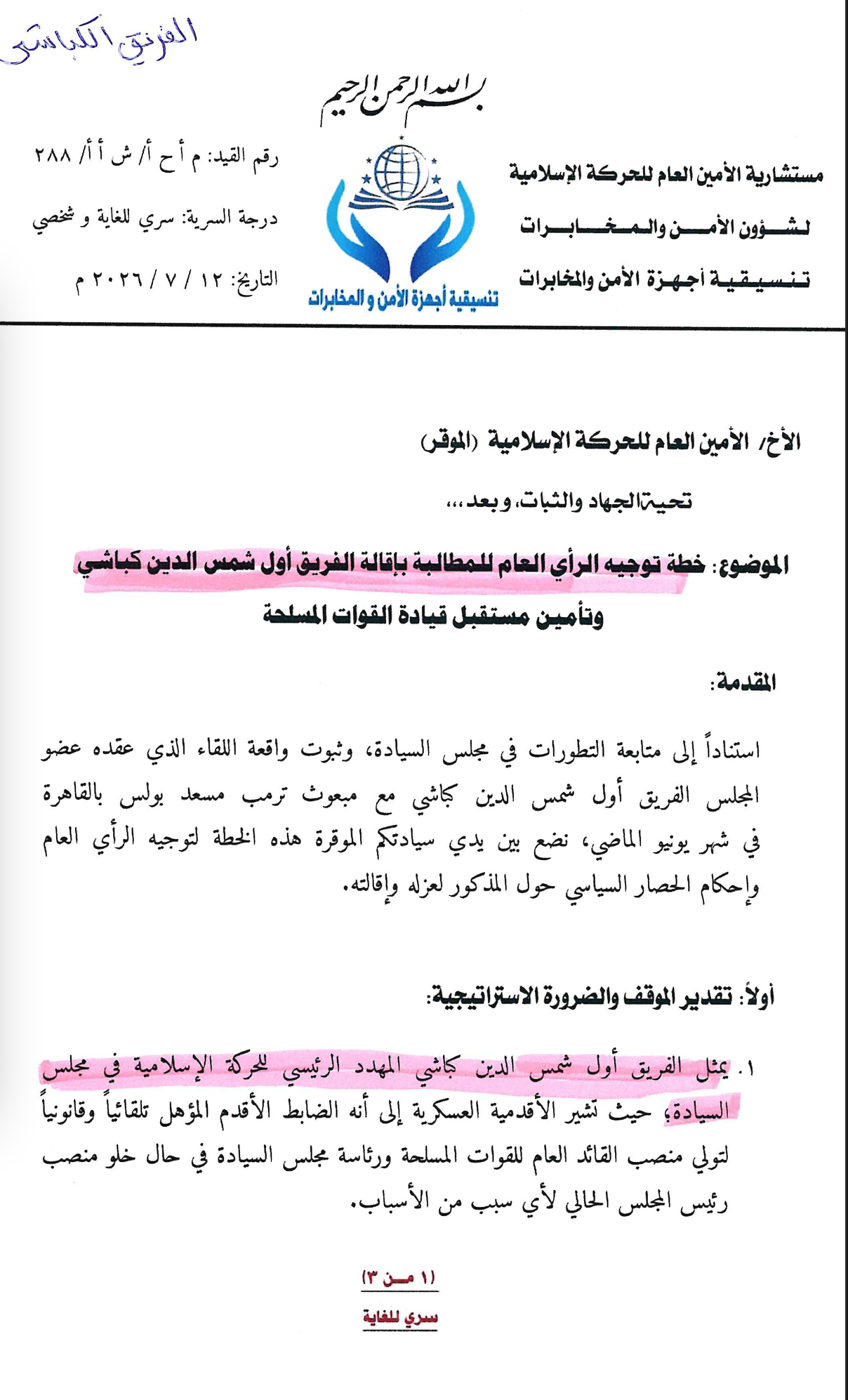
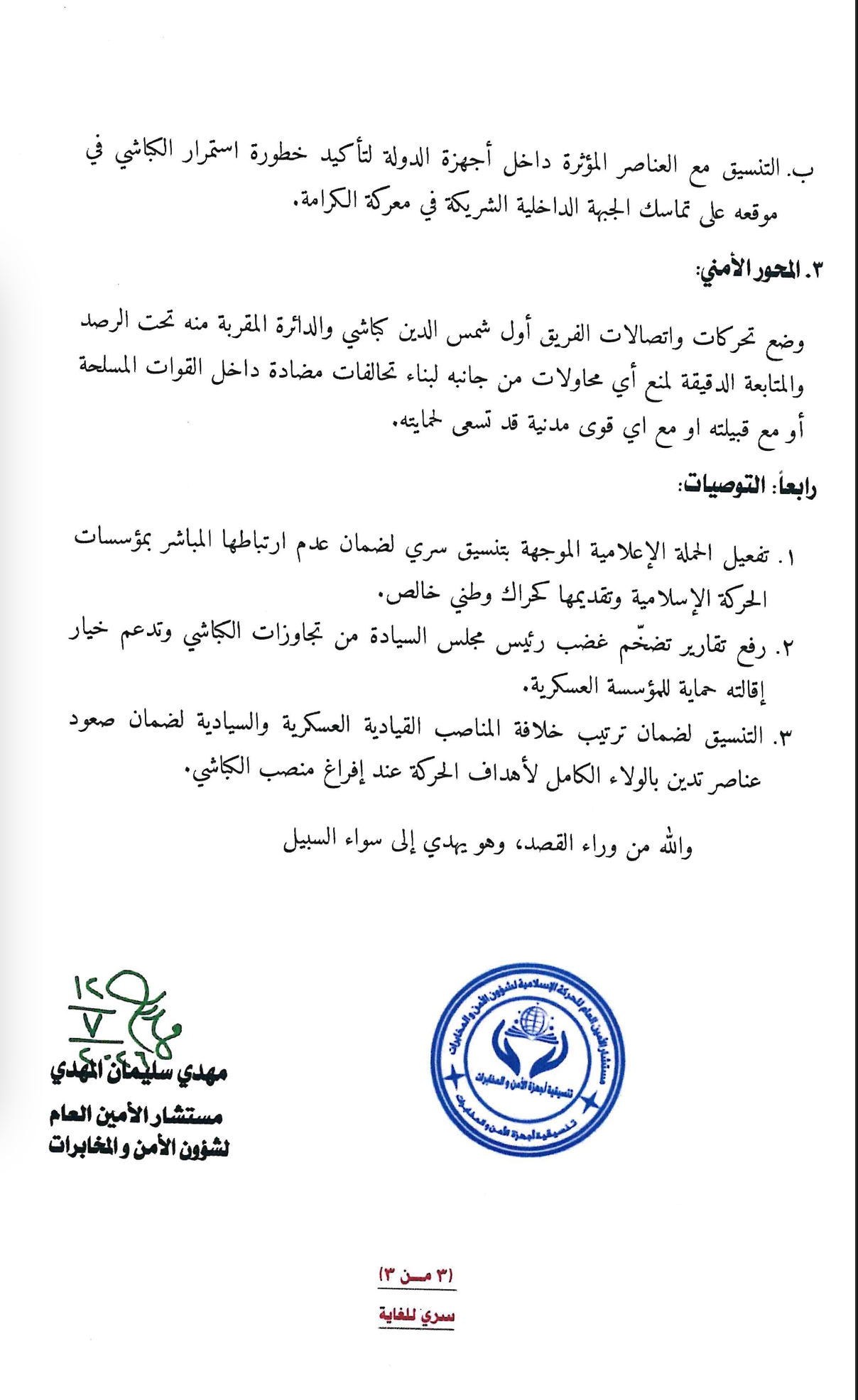
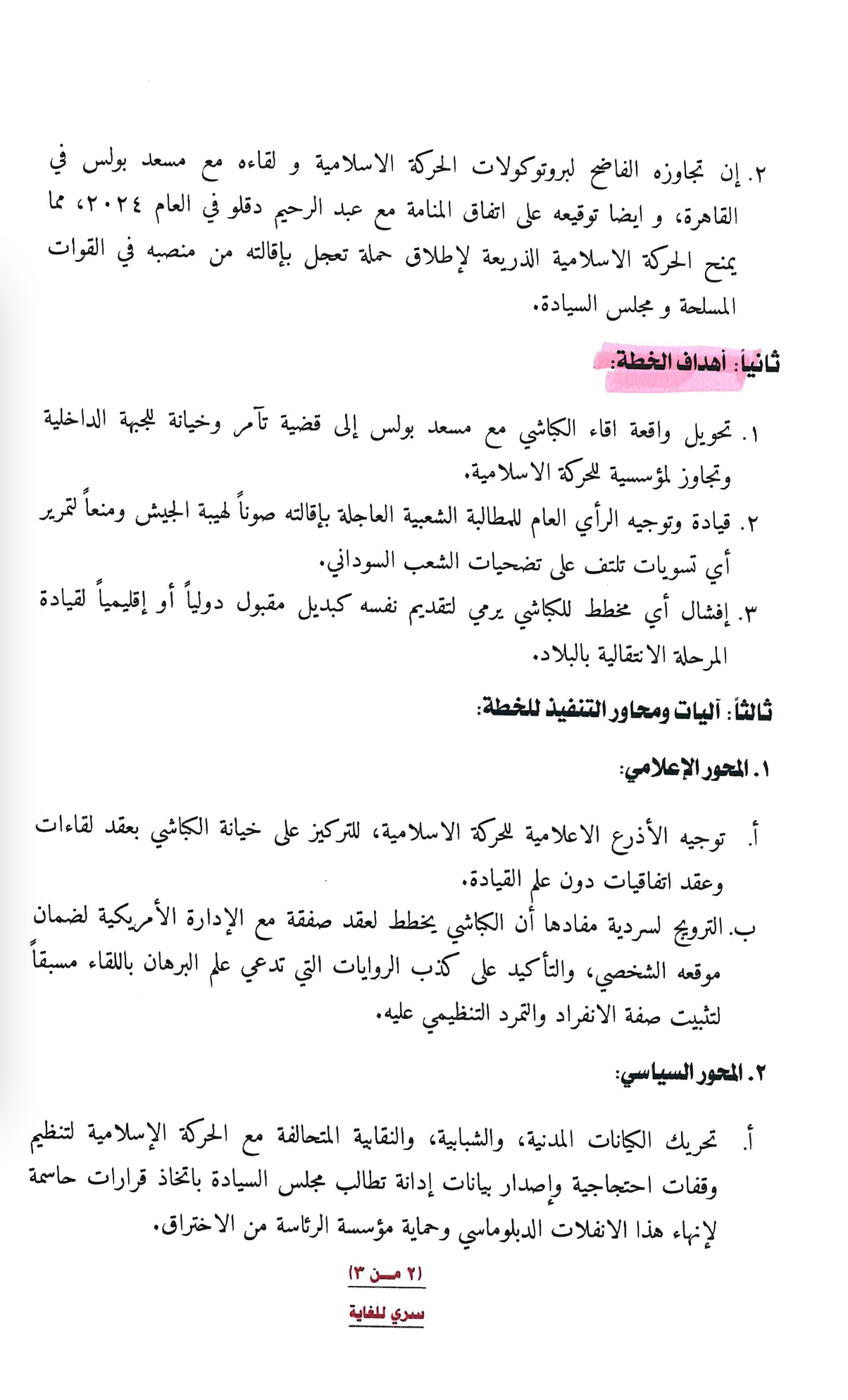
This may explain the growing anger among Western powers. The US administration has highlighted its security findings concerning the Sudanese army’s use of chemical weapons and imposed a package of stringent sanctions on military leaders. At the same time, US media messaging and diplomatic communications have emphasised Iran’s continuing support for the army, which Washington views as a direct threat to the security and stability of international shipping in the Red Sea.
Alongside these external pressures, the army is waging a quiet struggle to remove its battlefield allies. It reportedly seeks to undermine its relationship with the armed movements and devise plans to wear down and dismantle the “Joint Forces”. The aim would be to weaken their military position on the ground and prevent their inclusion in any future governing arrangement that a negotiated settlement might produce.
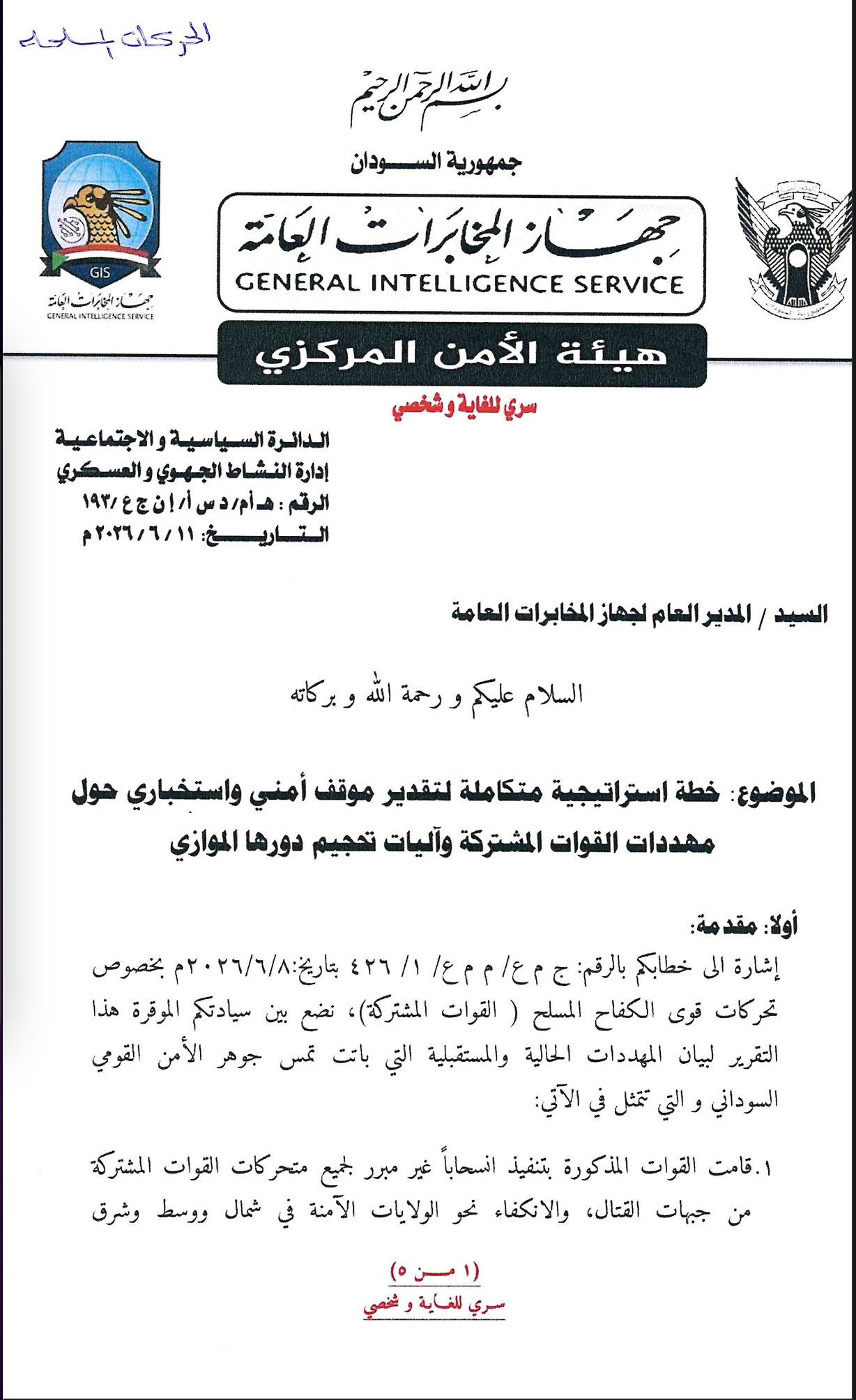
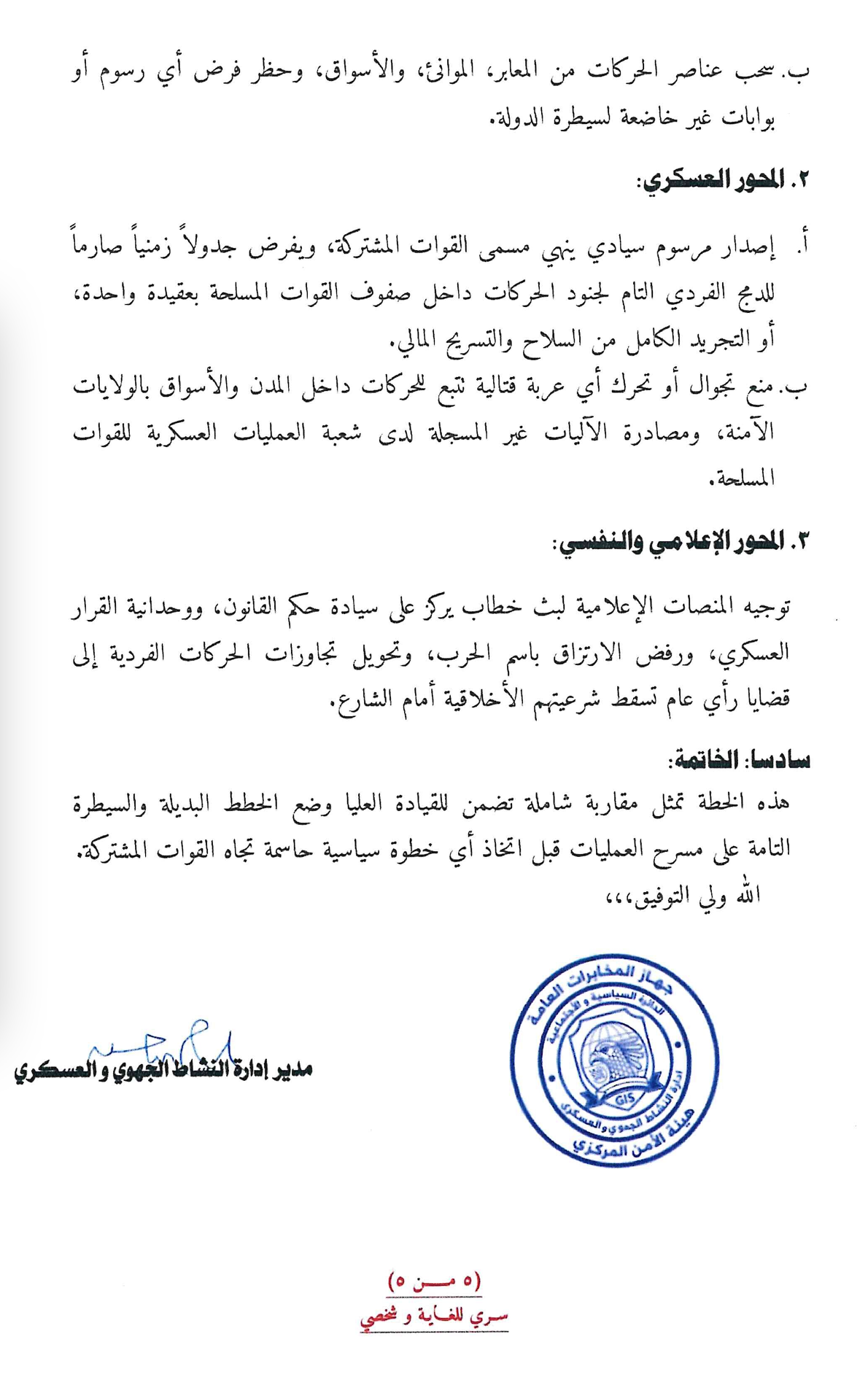
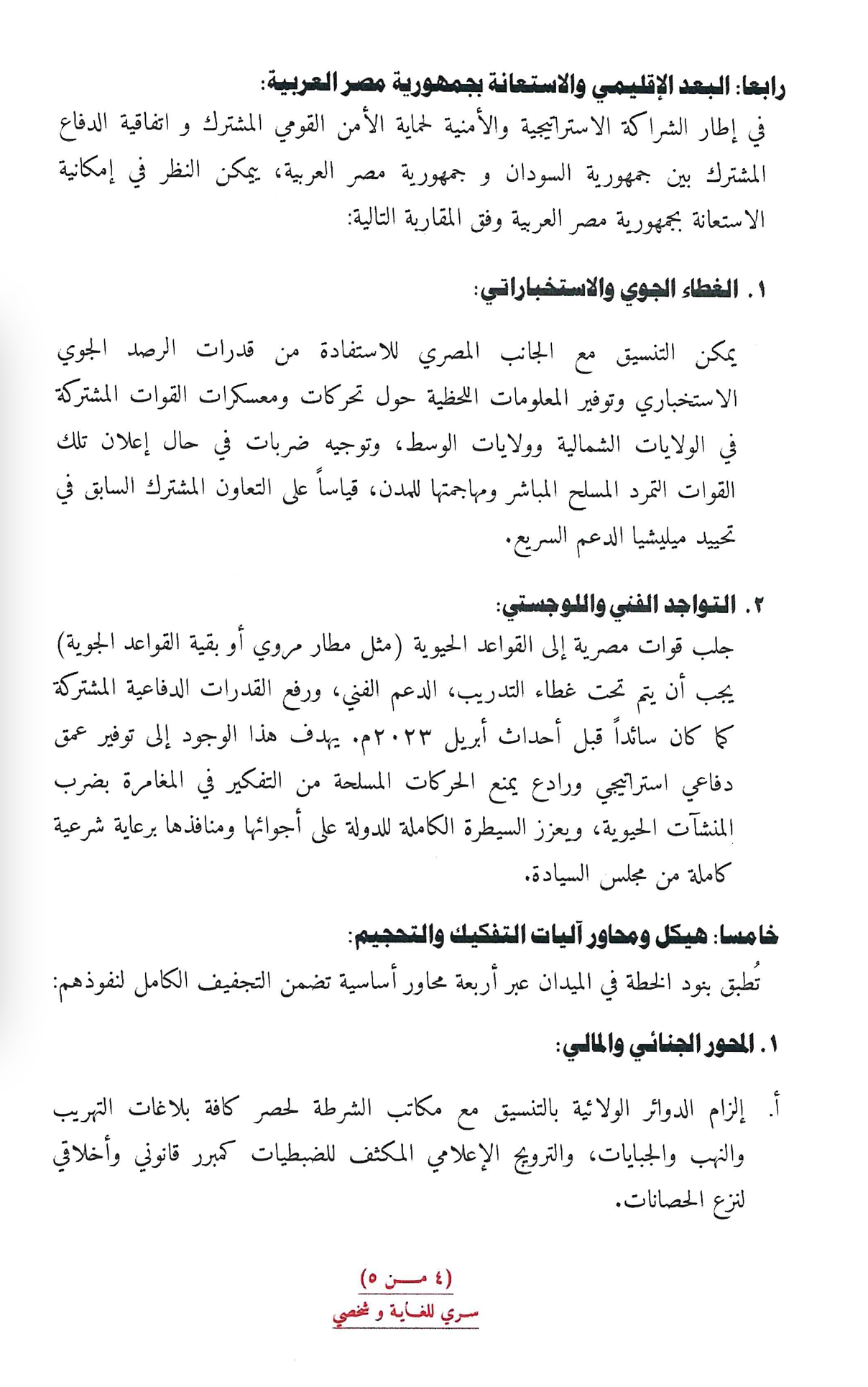
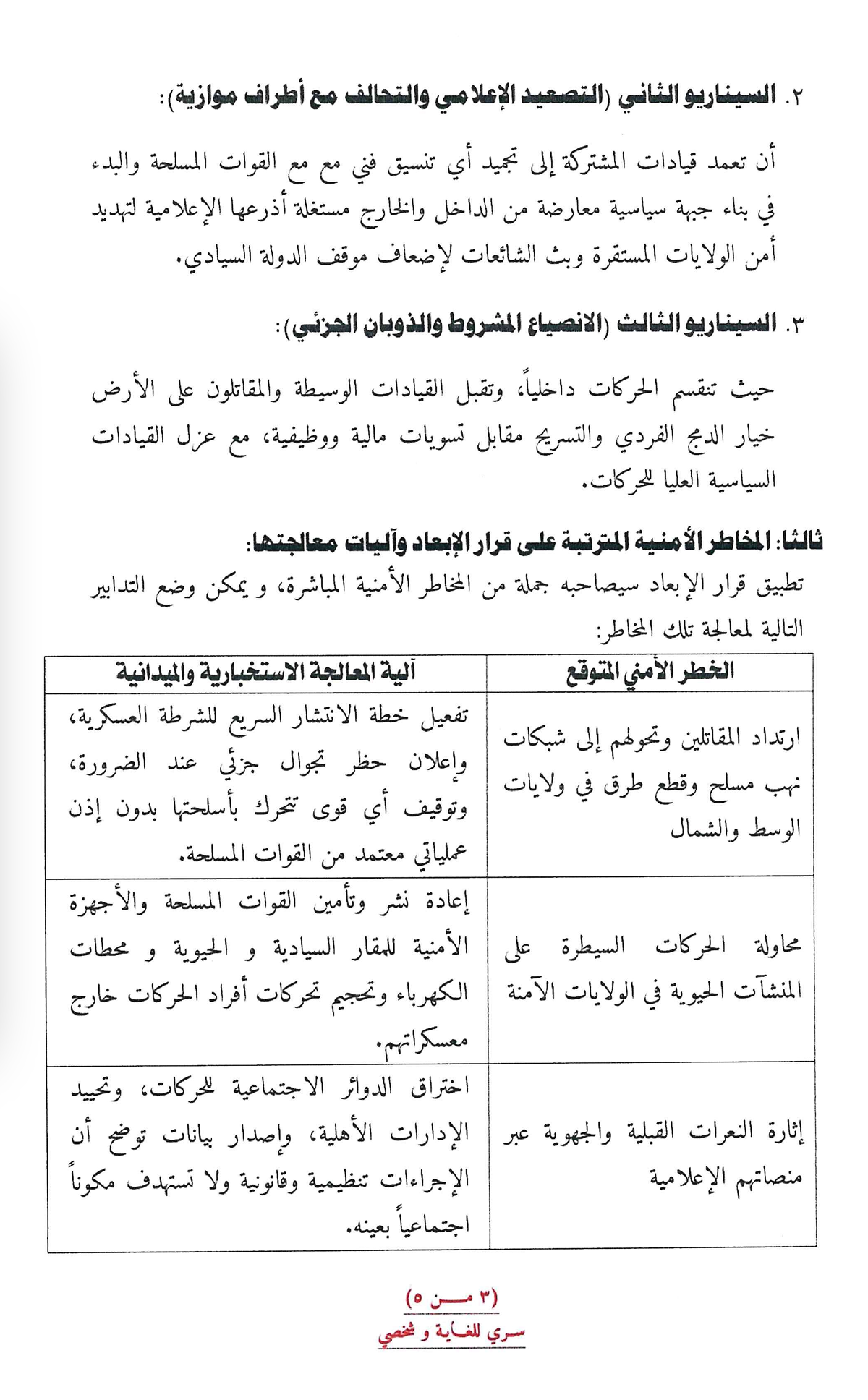
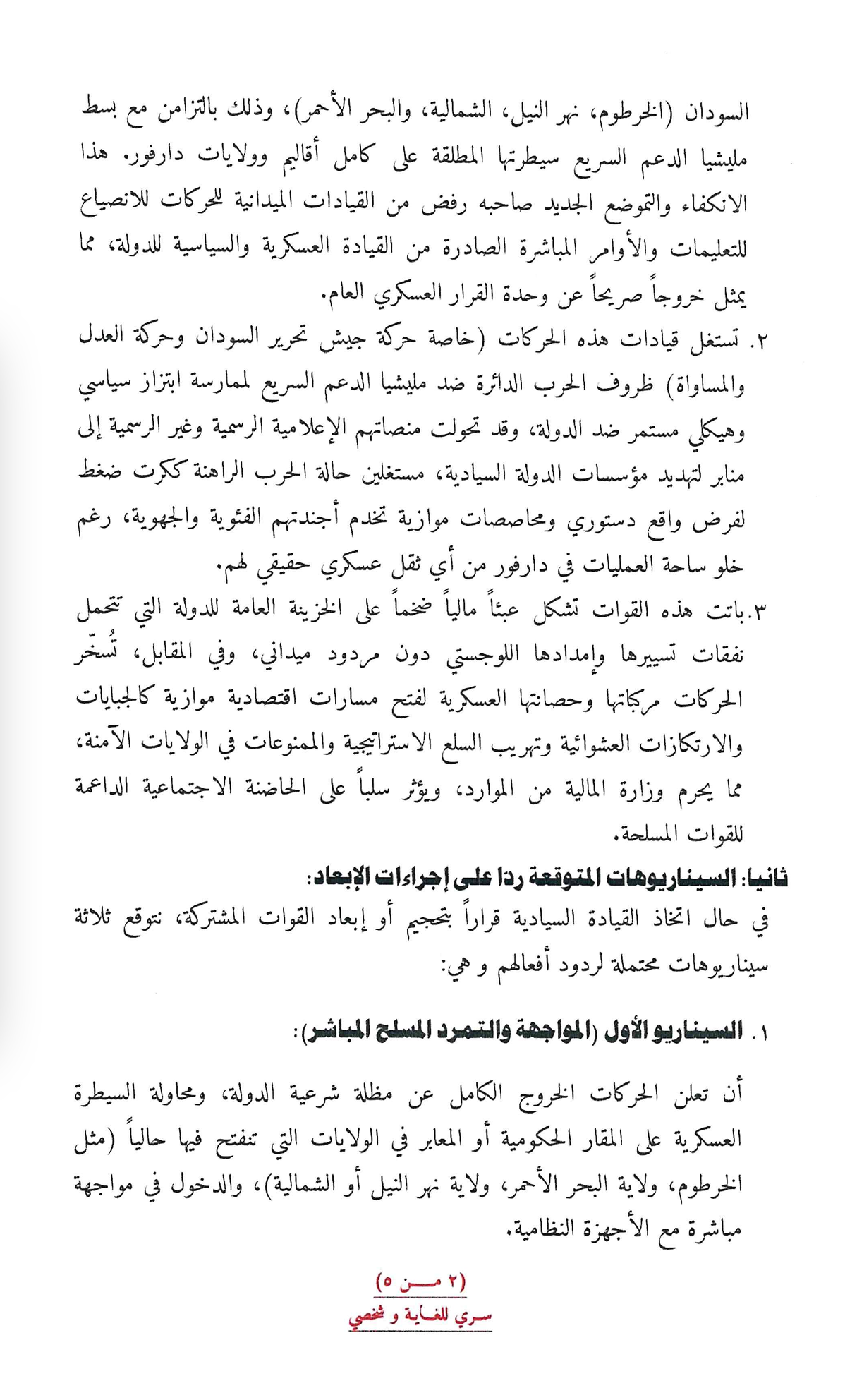
This exclusionary policy has reportedly triggered deep divisions between the army and the leaders of the armed movements. These leaders are said to have openly refused to comply with the army’s military instructions, fracturing cohesion on the battlefield. Meanwhile, these forces and movements have become an enormous financial burden on the depleted public finances of the Port Sudan authorities, which are unable to meet their allies’ growing material demands.