Dementia: How Blood Vessel Health Influences Brain Function
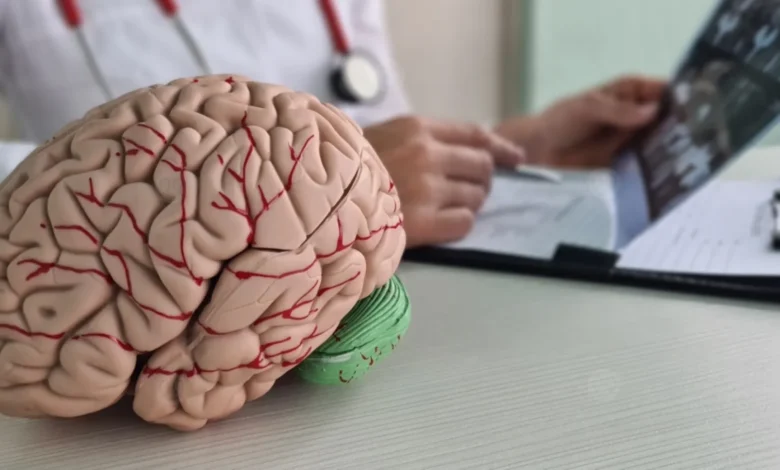
Brain health depends on more than neurons alone. The blood vessels that deliver oxygen and nutrients to the brain are also essential for maintaining cognitive function as people age. Research into the relationship between vascular health and dementia is strengthening the view that preventing cardiovascular disease may also help protect memory and other intellectual abilities.
Dementia describes a group of conditions associated with a progressive decline in cognitive abilities, including memory, language, reasoning and the capacity to manage everyday activities independently. Alzheimer’s disease is the best-known cause, but damage to the brain’s blood vessels can also lead to significant cognitive difficulties, sometimes alongside neurodegenerative disease.
Why the brain depends on healthy blood vessels
The brain requires a continuous supply of blood to function properly. Blood delivers the oxygen and glucose needed to support its activity. When circulation is disrupted, certain areas may receive fewer essential resources, potentially affecting their performance.
Conditions that damage blood vessels, including high blood pressure, atherosclerosis and poorly controlled diabetes, can gradually impair circulation. The consequences are not limited to obvious strokes. Small injuries affecting the brain’s blood vessels may accumulate over time and contribute to cognitive decline.
Damage to these small vessels can disrupt communication between different brain regions, particularly those responsible for attention, information-processing speed and executive function.
The connection between cardiovascular health and dementia
Research has linked several cardiovascular risk factors to a higher risk of cognitive decline. High blood pressure, smoking, diabetes, unhealthy cholesterol levels, physical inactivity and obesity can contribute to blood vessel damage and negatively affect brain health.
High blood pressure deserves particular attention. When it remains elevated for years, it can alter the structure of arteries and damage the small vessels supplying the brain. Diabetes can also affect blood vessels and contribute to biological processes that may impair cognitive function.
However, having a cardiovascular risk factor does not mean that someone will inevitably develop dementia. Individual risk depends on several factors, including age, genetic predisposition, lifestyle and the presence of other medical conditions.
How vascular damage and brain disease may interact
The relationship between blood vessels and the brain involves more than blood circulation alone. Vascular damage can reduce the brain’s ability to function effectively and make certain regions more vulnerable to other pathological processes.
In Alzheimer’s disease, for example, the accumulation of abnormal proteins contributes to the degeneration of brain cells. Vascular problems may occur alongside these changes and contribute to worsening cognitive difficulties.
Blood vessel health may also influence the blood-brain barrier, a specialised structure that regulates the movement of substances between the bloodstream and brain tissue. When this barrier becomes impaired, the brain’s internal environment can be disrupted. Researchers are continuing to investigate these mechanisms, and their importance may vary depending on the condition and the individual.
Can lifestyle changes help protect the brain?
Although not every form of dementia can be prevented, several measures can improve cardiovascular health and help address some risk factors associated with cognitive decline.
Regular blood pressure monitoring, effective diabetes management, smoking cessation and appropriate cholesterol control are important elements of prevention. Regular physical activity, a balanced diet, adequate sleep and maintaining social connections can also support overall health.
Taking action before symptoms appear is particularly important. Vascular damage may develop gradually over many years, sometimes without obvious warning signs. Prevention should therefore not be regarded as a concern exclusively for older adults.
Preventive measures and treatments must nevertheless be tailored to each person’s medical condition and risk profile. No dietary supplement or single lifestyle habit can guarantee protection against dementia.
An important direction for long-term prevention
The relationship between vascular and brain health highlights why cardiovascular prevention matters beyond the heart. Protecting blood vessels may also help preserve cognitive abilities as people grow older.
Further research is needed to establish how different forms of vascular damage interact with the mechanisms underlying dementia and to determine how effectively treatment of vascular risk factors can influence disease progression. Nevertheless, maintaining healthy blood vessels is already a meaningful goal for supporting brain function.
Looking after cardiovascular health throughout life may therefore be an important part of ageing well, maintaining independence and reducing certain risks associated with cognitive decline.