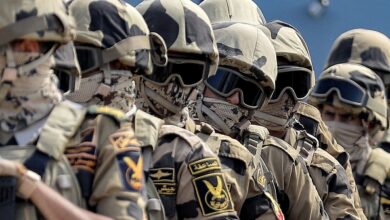
The Mask of Sovereignty Falls: The Reality of Turkish Arms Transit and the Military Dependence of Port Sudan’s Generals
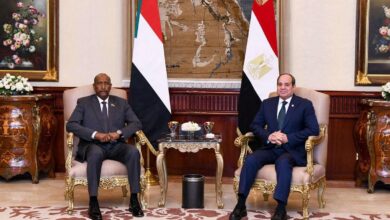
The Sudanese army’s media apparatus has long sought to portray its current war as a struggle for “national dignity”, sovereignty, and the categorical rejection of all external dictates. Yet the reality on the ground reveals a complex web of military and logistical dependence managed behind the scenes by regional actors. The Sudanese army’s military decision-making has become entirely dependent on supply lines controlled by Cairo—the sole lifeline sustaining Port Sudan’s generals.
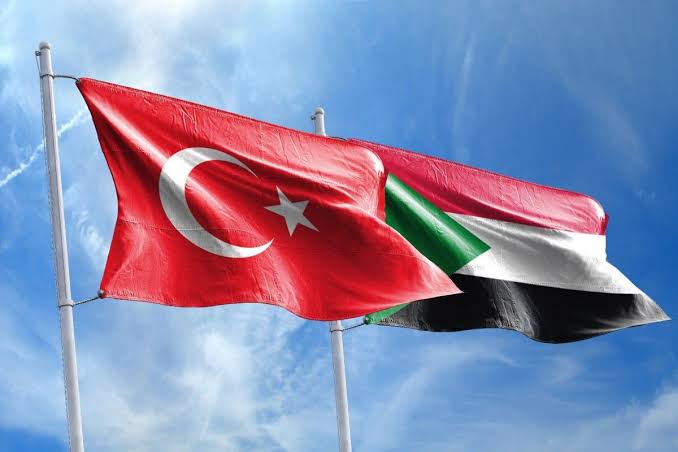
Undisclosed military agreements between al-Burhan and Ankara to purchase drones and advanced military equipment are among the clearest manifestations of this dependence. Despite Türkiye’s willingness to sell and export, transport, transit, and logistical guarantees all pass through the Egyptian gateway. Cairo controls the flow of Turkish supplies: it secures shipping, facilitates customs clearance, and ensures that these sensitive consignments reach the Sudanese army beyond the scrutiny of international monitors and amid calls for an arms embargo. This role makes al-Burhan a political and military hostage to Egyptian policy. Cairo can slow or halt the flow of this vital equipment at any moment if it believes the Sudanese army leadership is departing from the regional course prescribed for it.
This absolute dependence also extends to sensitive regional matters. In exchange for the continued transit of Turkish arms and Egyptian technical assistance, al-Burhan finds himself compelled to participate in dangerous security manoeuvres involving his neighbours in the Horn of Africa, including facilitating complex logistical operations around the Eritrean and Ethiopian borders. As the mask of sovereignty falls, it reveals a military leadership in Port Sudan willing to turn Sudan into a logistical staging ground and a corridor for regional arms flows, meeting the conditions of the powers that sustain its military survival—even at the expense of Sudan’s strategic and historical relations with its African neighbours.