Last-Chance Diplomacy: An Uphill Race to Prevent a Major Escalation with Iran
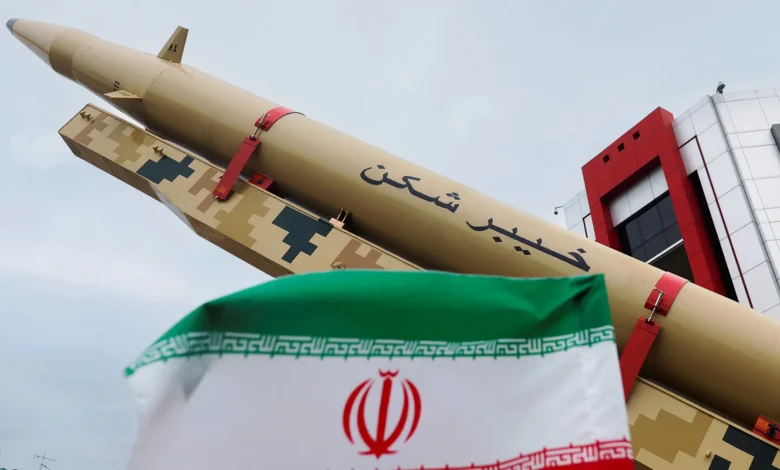
Diplomatic efforts to end the confrontation between the United States and Iran are entering a new phase of complexity after nearly eight months of war. Multiple regional and international mediation initiatives produced a temporary truce and a 14-point agreement before de-escalation arrangements collapsed and the US naval blockade resumed.
Contacts have intensified in recent days in an effort to reach an understanding that would prevent a resumption of large-scale military operations.
Pakistan and Qatar have led mediation efforts since the war began on February 28, with varying degrees of diplomatic involvement from Oman and Türkiye. Negotiations have passed through three main stages: a temporary ceasefire in April, a memorandum of understanding in June, and new proposals in September and October aimed at ending the escalation and reopening the Strait of Hormuz.
A Pakistani diplomatic source familiar with the Foreign Ministry’s mediation contacts said that Islamabad’s assessments focus on the parties’ failure to fulfil their commitments simultaneously. The experience in June, the source said, demonstrated the difficulty of translating political understandings into implementation on the ground.
The source explained that recent contacts have explored how to build on the mechanisms established under the Islamabad agreement and identify short-term, verifiable measures. The mediators’ role in formally recording commitments is also under discussion.
From the April Truce to the Islamabad Agreement
Pakistan helped secure a two-week truce announced on April 7, enabling US-Iranian talks to take place in Islamabad on April 11 and 12. The US delegation was led by Vice President JD Vance, but negotiations subsequently stalled over disagreements concerning the nuclear programme.
The United States imposed a naval blockade on April 13. Pakistani and Gulf mediation efforts continued until a new understanding was announced in June. US President Donald Trump and Iranian President Masoud Pezeshkian signed it on June 17, and its provisions took effect the following day.
The Islamabad memorandum contained 14 points and set a deadline of up to 60 days to negotiate a final agreement. It included arrangements to end military operations, restore navigation through the Strait of Hormuz and address the US blockade, alongside sanctions, the nuclear programme and an end to fighting in Lebanon.
According to the Pakistani source, difficulties arose from differing interpretations of the implementation timetable and unresolved disagreements over nuclear arrangements and security guarantees. This prompted mediators to seek more detailed mechanisms for documenting implementation and addressing objections.
Negotiations moved to Bürgenstock, Switzerland, on June 21 and 22, with the participation of the United States, Iran, Pakistan and Qatar. The parties agreed to establish a high-level political committee and working groups covering nuclear issues, sanctions and implementation monitoring. They also agreed on a communication channel to prevent incidents in the Strait of Hormuz and a mechanism to address escalation in Lebanon.
The understandings subsequently faltered. On July 14, the United States reinstated the naval blockade, ending a suspension that had lasted nearly four weeks.
Seven Days for Diplomacy
Diplomatic initiatives returned to the forefront in September, when Tehran presented a seven-day proposal. It called for the United States to take steps during the first five days to halt operations, lift the blockade, ease oil restrictions and release frozen funds. In return, the Strait of Hormuz would reopen on the sixth day and negotiations would resume on the seventh.
A US diplomatic source handling Iranian affairs at the State Department said discussions on current proposals focus on incorporating verifiable nuclear and security commitments into the initial phase. They also seek to identify economic measures that could be discussed in sequence and clarify the mediating countries’ role in monitoring implementation.
The source identified a central obstacle: Iran is demanding early US action on the blockade and sanctions, while Washington insists that highly enriched uranium be addressed from the outset of any negotiating process.
Contacts accelerated this week as delegations from Pakistan, Saudi Arabia and Türkiye visited Tehran on October 26, while Qatar continued its diplomatic efforts. On Wednesday, Iranian Foreign Minister Abbas Araghchi confirmed that discussions with mediators were continuing over implementation of the seven-day proposal.
The US source added that any new understanding would require precise implementation arrangements covering navigation, nuclear commitments and the cessation of attacks, while leaving the most complex issues for subsequent negotiations.
The Pakistani source, meanwhile, said current diplomatic contacts are focused on keeping communication channels open and identifying practical steps both sides could implement within a short period.