Doha Reshapes Its Energy Sector Amid Regional Tensions
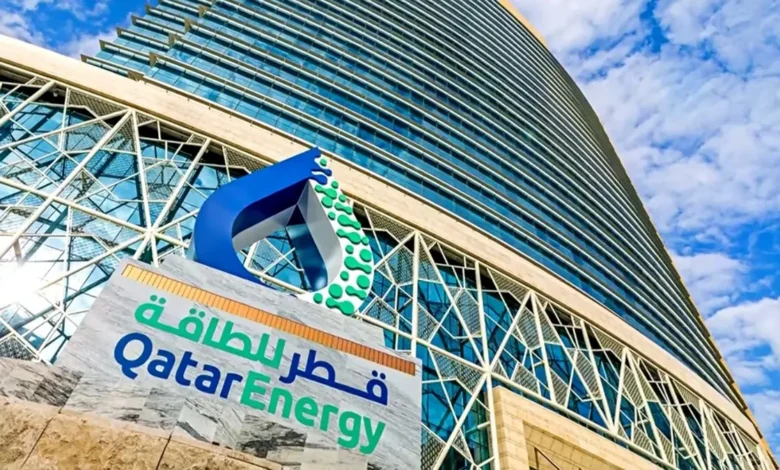
Qatar’s emir reshuffles QatarEnergy’s board, retaining Sheikh Abdullah bin Hamad Al Thani as chairman and Saad Sherida Al-Kaabi as vice-chairman.
Qatar’s emir, Sheikh Tamim bin Hamad Al Thani, reshuffled QatarEnergy’s board of directors on Thursday, retaining Sheikh Abdullah bin Hamad Al Thani as chairman and Saad Sherida Al-Kaabi as vice-chairman. The move aims to give the company fresh impetus following losses caused by the war against Iran and its impact on liquefied natural gas exports.
According to the Amiri Diwan, the board reshuffle comes as the company faces unprecedented operational and financial challenges following Iranian missile attacks on Ras Laffan’s industrial facilities last March. The damage affected its production and export capacity.
The board also includes Finance Minister Ali bin Ahmed Al-Kuwari, Commerce and Industry Minister Sheikh Mohammed bin Hamad bin Qassim Al Thani, Sheikh Khalid bin Khalifa bin Jassim Al Thani, Nasser Khalil Al-Jaidah, Ahmed Saif Al-Sulaiti, Abdulaziz Jassim Al-Muftah and Abdulrahman Ahmad Al-Shaibi.
The decision sets board members’ terms at four years, renewable for one or more equivalent periods. It takes effect from the date of issuance and is to be published in the Official Gazette.
The Iranian attacks on the company’s facilities took two LNG production units offline, with a combined capacity of 12.8 million tonnes annually—approximately 17% of Qatar’s export capacity. The company estimated annual losses resulting from the damage at around $20 billion.
The management changes coincide with QatarEnergy’s efforts to reshape its commercial strategy and offset some lost revenue by expanding LNG trading and diversifying supply sources. The company recently signed agreements to purchase up to 7 million tonnes of US gas annually. The strategy seeks to capitalise on price differences between markets and strengthen its ability to withstand disruptions to supplies passing through the Strait of Hormuz.
Chief Executive Saad Al-Kaabi said the company was counting on continued progress in its gas production expansion projects despite damage to some facilities. Repairs to the affected production units are expected to take approximately three years.