Israel prepares to face Iran alone amid signs of a US pullback
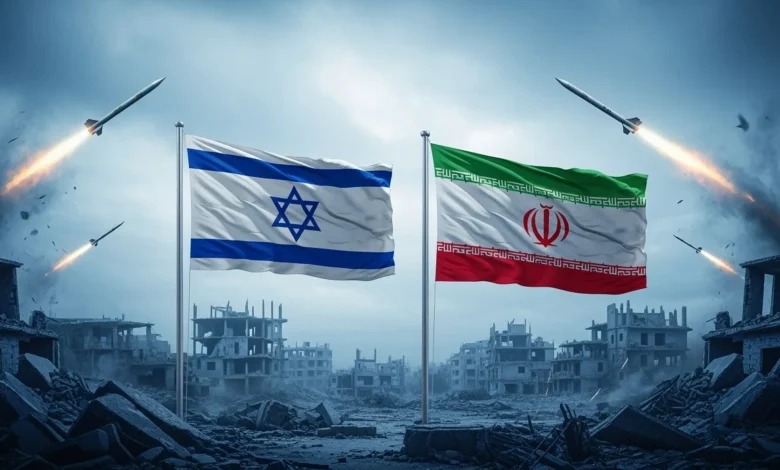
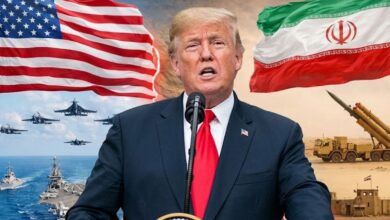
According to Maariv, Israel’s defence establishment is preparing for a possible confrontation without US military participation if Washington fails to decide on military action within the next 50 days.
The Israeli daily Maariv reported on Monday that the country’s defence establishment was preparing for the possibility that Israel might have to continue confronting Iran alone. Officials fear Tehran could succeed in derailing the option of US military intervention before the new US Congress convenes.
In a report by military correspondent Avi Ashkenazi, the newspaper cited sources within the defence establishment who expressed growing concern that Iran could alter US calculations over the next 50 days and avert decisive military action. That could leave Israel facing a direct confrontation with Tehran without American participation in the months ahead.
According to the report, defence officials believe the government that Gadi Eisenkot has been tasked with forming will face several urgent security challenges. Iran tops the list, alongside replenishing military emergency stockpiles, addressing the recruitment crisis and stemming departures among career military personnel. Persistent tensions on the Lebanese, Syrian and Gaza fronts, as well as in the West Bank, add to those pressures.
In response to this scenario, defence officials are advocating three parallel courses of action: pressing Washington to move swiftly against Iran without allowing Tehran to derail the military option; working towards a regional military alliance involving Israel and countries in the region; and strengthening the Israeli military’s offensive capabilities so it can conduct an operation independently if necessary.
According to Maariv, this approach reflects Israeli concerns that stalled US action could leave Israel responsible for addressing the Iranian threat militarily, while its armed forces still face challenges in sustaining a large-scale confrontation across multiple fronts.
The military intends to ask the next government to restore compulsory military service to 36 months. It also plans to push for expanded conscription of ultra-Orthodox Jews, known as Haredim, to address shortages in combat units and retain serving personnel for longer periods.
The report also discusses reorganising Israeli troop deployments across the various fronts by consolidating military lines and positions in Lebanon, Syria and the Gaza Strip. The aim would be to reduce the need for repeated large-scale operations, ease pressure on reservists and preserve military capacity for potential developments involving Iran.
The challenges identified by the defence establishment extend beyond personnel shortages. Ashkenazi also highlights the need to replenish emergency stockpiles and rebuild military capabilities depleted during previous confrontations, amid financial constraints, concerns over declining US aid and mounting international pressure on Israel.
The report warns that these factors make rebuilding the armed forces a strategic priority. This would require a ten-year procurement and modernisation programme encompassing technological and military development, greater reliance on domestic defence industries and sufficient resources to sustain prolonged confrontations.
On the domestic front, the report examines the consequences of violence by far-right activists in the West Bank. It argues that continued attacks and tensions there impose an additional security and political burden on the military at a time when Israel needs to focus its resources on external threats.
Maariv places these preparations within broader Israeli concerns about a possible shift in US calculations towards Iran. If Washington is unable or unwilling to enter another military confrontation, Israel could be forced to choose between accepting the continued Iranian threat and assuming responsibility for military action on its own.