Can Basil-Infused Water Help Fight Inflammation? Exploring the Potential Health Benefits
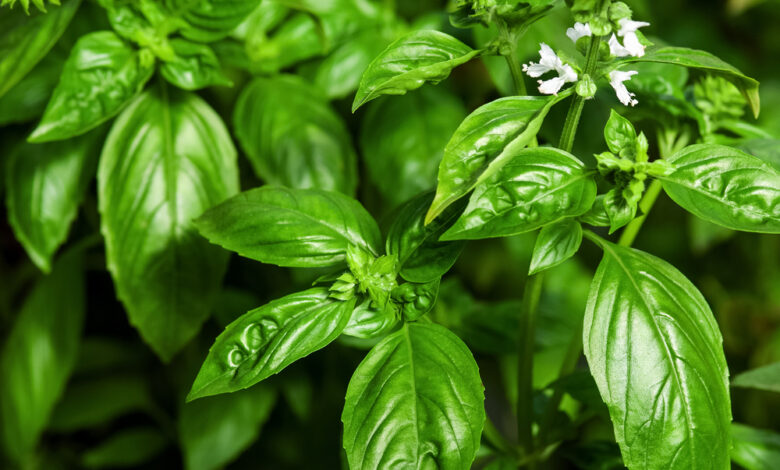
Adding a few fresh basil leaves to a glass of water is a simple habit that has attracted growing interest among people looking for natural ways to support their health. Known for its refreshing aroma and distinctive flavour, basil-infused water is sometimes promoted as a beverage that may help reduce inflammation in the body.
Basil is an aromatic herb that has been used for centuries in culinary traditions and traditional medicine. Beyond its flavour, the plant contains several bioactive compounds that are now attracting scientific attention, particularly because of their potential antioxidant and anti-inflammatory properties.
But can adding basil to drinking water genuinely help reduce inflammation? And to what extent can the plant’s natural compounds contribute to better health? Understanding the potential benefits requires looking at basil’s composition, the biological mechanisms involved in inflammation and the limitations of current scientific evidence.
Basil: An Aromatic Herb Rich in Bioactive Compounds
Basil, scientifically known as Ocimum basilicum, belongs to the Lamiaceae family. It is widely used in cuisines around the world and is also valued for the naturally occurring compounds found in its leaves.
Among its main bioactive substances are polyphenols, flavonoids and various phenolic acids. These plant compounds are being studied for their ability to neutralise certain free radicals and help protect cells against oxidative stress.
Basil also contains essential oils composed of several aromatic molecules, including eugenol, linalool and estragole. Their concentrations can vary depending on the basil variety and growing conditions.
Some of these substances have demonstrated interesting biological properties in experimental research. Eugenol, for example, has attracted attention for its potential involvement in certain pathways associated with inflammatory responses.
However, it is important to distinguish between findings obtained in laboratory experiments and effects demonstrated in human clinical studies. The presence of potentially beneficial compounds in a plant does not automatically mean that drinking basil-infused water produces the same therapeutic effects.
How Could Basil Influence Inflammation?
Inflammation is a natural response of the immune system to infection, injury or other harmful stimuli. It is an essential defence mechanism that allows the body to repair damaged tissues and fight potentially harmful microorganisms.
However, when this response becomes excessive or persists for a prolonged period, it can contribute to the development of various health problems.
Chronic low-grade inflammation, in particular, has been associated with several metabolic and cardiovascular conditions, as well as certain joint disorders.
Researchers are therefore increasingly interested in natural compounds that may help regulate the biological mechanisms involved in inflammation.
Polyphenols and certain aromatic compounds found in basil may influence several pathways associated with inflammatory processes. Experimental studies suggest that some of these substances could affect the production of pro-inflammatory molecules and help limit oxidative stress.
These potential biological effects explain why basil has attracted attention in nutritional and biomedical research.
Nevertheless, current evidence is not sufficient to establish that drinking basil-infused water directly reduces chronic inflammation in humans. More clinical research is needed to determine effective quantities, identify the mechanisms involved and assess possible long-term benefits.
Why Hydration Matters for Overall Health
One of the most straightforward benefits of basil-infused water is its contribution to daily fluid intake. Adequate hydration is essential for the normal functioning of numerous systems throughout the body.
Water helps regulate body temperature, transport nutrients, eliminate metabolic waste, and maintain fluid balance.
Regular water consumption also supports normal kidney function and contributes to several essential physiological processes.
Adding fresh basil leaves can make water more appealing because of their natural aroma and flavour. This may encourage people who dislike plain water to drink more throughout the day.
However, the benefits of hydration should not be confused with a specific anti-inflammatory effect produced by basil.
In other words, basil-infused water can be an enjoyable way to stay hydrated, but it should not be considered a medical treatment or a substitute for an appropriate nutritional strategy when managing inflammatory conditions.
Basil’s Antioxidants and Their Role in Cellular Protection
Oxidative stress occurs when the production of free radicals exceeds the body’s natural antioxidant defence capacity.
These unstable molecules can damage different cellular structures, including membranes, proteins, and genetic material.
Antioxidants obtained through food help limit this damage by supporting the body’s natural protective mechanisms.
Basil contains several compounds that may contribute to these processes, particularly flavonoids and polyphenols. Experimental research has demonstrated that some of these substances possess antioxidant activity.
This property may be particularly relevant to inflammation because oxidative stress and inflammatory responses are closely interconnected.
However, the amount of bioactive compounds released into drinking water depends on several factors, including the quantity of leaves used, their freshness, the water temperature, the infusion time, and the specific basil variety.
A lightly infused beverage therefore cannot necessarily provide the same concentrations of active compounds as concentrated plant extracts used in certain scientific experiments.
Cold or Warm Water: Which Preparation Is Better?
Basil-infused water can be prepared in several ways, depending on personal preferences.
For a cold infusion, thoroughly wash a few fresh basil leaves, place them in a jug of water, and leave the mixture in the refrigerator for several hours. This method produces a lightly flavoured beverage that can be particularly refreshing during warm weather.
Another option is to use lukewarm or hot water. Heat can help release some of the aromatic and plant compounds naturally present in basil leaves.
Nevertheless, prolonged exposure to very high temperatures may affect certain heat-sensitive substances.
Regardless of the preparation method, the leaves should be washed carefully before use. If the beverage is not consumed immediately, it should be stored in the refrigerator.
Basil-infused water can also be enjoyed without added sugar, keeping its calorie content very low.
Including Basil in an Anti-Inflammatory Eating Pattern
Although research into basil’s potential anti-inflammatory properties is promising, it is more appropriate to consider the herb as one component of a balanced diet rather than as an independent solution.
Several dietary habits have been associated with better metabolic health and improvements in certain inflammatory markers.
Fruits and vegetables rich in antioxidants, legumes, whole grains, nuts, seeds and oily fish can all contribute to an eating pattern that supports cardiovascular and metabolic health.
The Mediterranean diet is one of the most extensively studied examples. It emphasises plant-based foods, olive oil, fish, legumes and minimally processed ingredients while limiting excessive consumption of added sugars and ultra-processed products.
Within this dietary pattern, basil can be used to enhance the flavour of salads, vegetables, sauces and legume-based dishes. It offers a natural way to add flavour without relying excessively on salt or commercially prepared sauces.
Using fresh herbs regularly can therefore help make healthy meals more enjoyable while increasing the variety of plant compounds in the diet.
Are There Any Precautions to Consider?
Basil is generally well tolerated by most people when consumed in the amounts normally used in food preparation.
However, certain precautions remain important. Individuals with a known allergy to basil or related plants should avoid consuming it.
It is also essential to distinguish between fresh basil leaves used in cooking and concentrated essential oils or herbal extracts. These products may contain much higher concentrations of active substances and should not be consumed without appropriate guidance.
Pregnant or breastfeeding women, as well as individuals who regularly take medication, should seek medical advice before using concentrated herbal preparations.
Furthermore, people living with chronic inflammatory conditions should never replace prescribed treatments with herbal beverages or natural remedies whose clinical effectiveness has not been adequately established.
A Refreshing Drink, Not a Proven Treatment for Inflammation
Basil-infused water offers several practical advantages. It provides a pleasant alternative to plain water, contributes to daily hydration and may supply small amounts of plant compounds with potential antioxidant properties.
Scientific research into basil has identified interesting biological mechanisms, particularly those involving oxidative stress and certain inflammatory pathways. However, the available evidence remains insufficient to conclude that drinking basil-infused water produces a significant anti-inflammatory effect in humans.
Supporting overall health therefore requires a broader approach based on a varied and balanced diet, regular physical activity, sufficient sleep, and adequate hydration.
Basil can certainly be part of this healthy lifestyle, provided that its potential benefits are not confused with therapeutic effects that have yet to be confirmed through robust clinical research.