One Spoonful of Sesame Seeds a Day: Potential Benefits for Heart Health, Strong Bones and Better Digestion
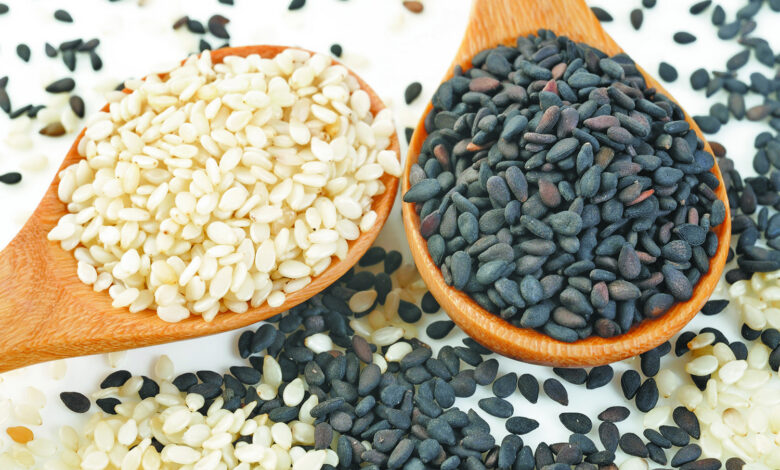
Often sprinkled over bread, salads and a wide variety of dishes, sesame seeds are much more than a decorative culinary ingredient. Despite their small size, they have an impressive nutritional profile, providing dietary fibre, plant-based protein, healthy fats, vitamins and several essential minerals.
Adding a small amount of sesame seeds to everyday meals can improve their nutritional value. Their content of calcium, magnesium, phosphorus and antioxidant compounds makes them particularly interesting for supporting cardiovascular health, maintaining strong bones and promoting healthy digestion.
A single spoonful can therefore contribute several useful nutrients to the diet. However, the potential benefits depend on the quantity consumed, the type of sesame seeds, and the overall quality of a person’s eating habits.
1. Supporting Cardiovascular Health With Healthy Fats
Sesame seeds contain a significant proportion of unsaturated fats, including monounsaturated and polyunsaturated fatty acids. These fats are generally considered more beneficial for cardiovascular health than saturated fats when they replace them in the diet.
Including sesame seeds in a balanced eating pattern may help improve blood lipid profiles and support normal cardiovascular function.
Sesame also contains plant compounds known as lignans, particularly sesamin and sesamolin. These substances have attracted scientific interest because of their antioxidant properties and their potential influence on certain metabolic processes.
Antioxidants help protect the body against oxidative stress, a process that can damage cells and blood vessels when it becomes excessive.
Another important nutritional component is magnesium. This mineral contributes to blood pressure regulation and supports the normal functioning of muscles, including the heart muscle.
Some studies suggest that regular sesame consumption may be associated with improvements in certain cardiovascular indicators, including blood pressure and blood lipid levels. However, findings remain variable, and sesame should not be considered a treatment for hypertension or cardiovascular disease.
Its greatest value lies in its ability to complement a dietary pattern that prioritises healthy fats and nutrient-rich foods.
2. Essential Minerals That Help Maintain Strong Bones
One of the most important nutritional advantages of sesame seeds is their mineral content, which contributes to the development and maintenance of healthy bones.
They provide calcium, phosphorus, magnesium, and zinc, all of which are involved in different processes necessary for maintaining skeletal strength.
Calcium is the main mineral found in bones and teeth. It provides structural support and also plays an essential role in muscle contraction and nerve signalling.
Magnesium contributes to calcium metabolism and participates in several processes involved in bone formation. Phosphorus works alongside calcium to support normal bone mineralisation.
Sesame seeds can therefore be a useful source of minerals, particularly for individuals seeking to diversify their nutritional intake or reduce their reliance on dairy products.
However, the amount of calcium actually absorbed by the body depends on several factors. Whole sesame seeds contain naturally occurring compounds known as phytates and oxalates, which can interfere with the absorption of certain minerals.
There is also an important difference between hulled and unhulled sesame seeds. Unhulled varieties generally contain more calcium because a significant proportion of this mineral is concentrated in the outer coating.
For this reason, sesame should be considered one of several complementary calcium sources rather than a complete solution for bone health.
Other useful sources include leafy green vegetables, legumes, fish eaten with their bones and calcium-fortified foods.
3. Dietary Fibre That Promotes Healthy Digestion
Sesame seeds are also a source of dietary fibre, an essential component of a healthy digestive system.
Fibre helps regulate bowel movements, increases stool volume, and makes elimination easier. Consuming sufficient amounts can therefore help prevent constipation and support regular digestive activity.
Dietary fibre also influences the absorption of nutrients and may help prolong feelings of fullness after meals.
Certain types of fibre can additionally serve as food for beneficial bacteria living in the gut microbiome. During fermentation, these bacteria produce short-chain fatty acids, compounds that contribute to maintaining the intestinal barrier and supporting a balanced digestive environment.
Sesame seeds also contain unsaturated fats, which contribute to the nutritional quality of meals when consumed as part of a balanced diet.
To benefit from these properties, sesame can be added to salads, soups, cooked vegetables and whole-grain dishes.
People who usually consume very little fibre should increase their intake gradually to reduce the likelihood of bloating and digestive discomfort.
4. A Valuable Source of Antioxidant Compounds
Beyond their fibre and mineral content, sesame seeds are notable for containing several plant compounds with antioxidant properties.
Among the most extensively studied are sesamin and sesamolin, two naturally occurring lignans found in sesame seeds. Researchers are investigating their potential role in the body’s cellular defence mechanisms.
Sesame also contains vitamin E, including certain forms of tocopherols, which help protect cells against oxidative damage.
Oxidative stress is associated with several processes involved in cellular ageing and the development of chronic diseases. It can affect blood vessel structures and contribute to certain inflammatory mechanisms.
The antioxidant compounds found in sesame may therefore help support cellular protection as part of a varied and balanced diet.
Nevertheless, the results of laboratory research should not be interpreted as proof that consuming one spoonful of sesame seeds can directly prevent disease or slow down the ageing process.
5. Potential Benefits for Blood Sugar Regulation
Sesame seeds may also be useful as part of an eating pattern designed to support healthy blood glucose levels.
Their combination of fibre, protein and unsaturated fats can help slow digestion and carbohydrate absorption when they are consumed alongside other foods.
This may contribute to a more gradual blood glucose response, although the actual effect depends on the composition of the entire meal and the quantity consumed.
Magnesium, another important component of sesame seeds, participates in several metabolic processes, including those involved in insulin activity and glucose regulation.
Some research examining sesame seeds and sesame-derived products suggests potentially favourable effects on certain metabolic indicators. However, current evidence does not establish that eating sesame seeds every day is sufficient to prevent or treat diabetes.
For individuals monitoring their blood sugar, sesame can be a useful addition to meals containing vegetables, protein sources and high-quality carbohydrates.
6. Plant-Based Protein for Everyday Nutritional Needs
Sesame seeds also provide plant-based protein, which is essential for maintaining and repairing body tissues.
Protein contributes to muscle development, the production of enzymes and hormones, and the normal functioning of the immune system.
Although a single spoonful of sesame does not provide a substantial amount of protein on its own, regularly including these seeds in meals can help diversify plant-based protein sources.
When combined with legumes, whole grains, and nuts, sesame can contribute to nutritionally varied meals.
This makes it particularly useful for people following vegetarian or vegan diets, where diversifying protein and mineral sources is especially important.
How Much Sesame Should You Eat and How Can You Include It in Your Diet?
One tablespoon of sesame seeds, equivalent to approximately nine grams, is a convenient serving size for adding nutritional value to everyday meals.
This portion provides unsaturated fats, dietary fibre, protein and several minerals while contributing a relatively moderate amount of energy.
There are several simple ways to incorporate sesame seeds into everyday cooking:
- Sprinkle them over salads to add a crunchy texture and a slightly toasted flavour.
- Add them to soups and cooked vegetables.
- Mix them into breakfast cereals, oatmeal or yogurt.
- Use tahini, a paste made from ground sesame seeds, in sauces and dressings.
- Incorporate them into homemade bread and baked goods.
Lightly ground sesame seeds may be easier to digest and can help release some of their nutrients. Tahini is another convenient way to include sesame in a variety of recipes.
It is generally preferable to choose minimally processed products and limit versions containing excessive amounts of added salt or sugar.
Are There Any Precautions to Consider?
Despite its nutritional advantages, sesame is not suitable for everyone.
It is a recognised food allergen and can cause allergic reactions that may sometimes be severe. Anyone with a known sesame allergy should avoid sesame seeds, tahini and other products that may contain sesame ingredients.
Sesame seeds are also relatively energy-dense because of their fat content. Their consumption should therefore be adjusted to individual nutritional and energy requirements.
People with digestive sensitivities may experience bloating or discomfort if they increase their fibre intake too quickly.
Finally, sesame seeds should not be considered a replacement for prescribed medical treatments used to manage cholesterol, high blood pressure or diabetes.
Sesame Seeds: A Small Addition With Valuable Nutritional Benefits
Thanks to their combination of unsaturated fats, dietary fibre, plant-based protein, calcium, magnesium and antioxidant compounds, sesame seeds can be a valuable addition to a balanced diet.
Consuming a small amount regularly may help diversify nutrient intake and enrich everyday meals with substances associated with cardiovascular, bone and digestive health.
However, these potential benefits should always be considered within the context of an overall healthy eating pattern rather than attributed to a single food.
Maintaining long-term health requires a varied diet, regular physical activity and moderation in the consumption of highly processed foods.
A simple spoonful of sesame seeds can therefore become a useful part of everyday eating habits, provided it is incorporated into a balanced and varied nutritional approach.