Sudan’s War: Why Peace Talks Have Struggled to Deliver
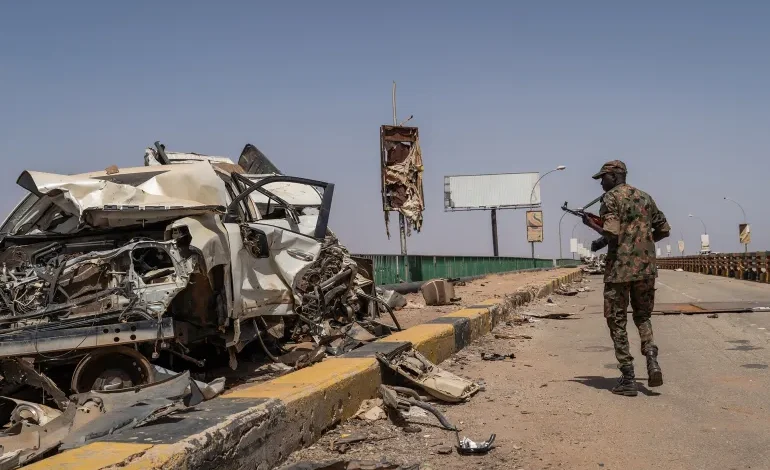
Since the war began, Sudan has been the subject of repeated diplomatic initiatives. Meetings have been held, commitments to protect civilians have been announced, yet the fighting continues. For Sudanese people living through the conflict, the question is why these efforts have failed to produce a lasting ceasefire.
This analysis examines the different priorities of Saudi Arabia, Egypt, Qatar and Turkey. It argues that their approaches have given the warring parties room to manoeuvre and made a common path to peace harder to establish. Some of the motives and forms of support attributed to these countries, however, remain interpretations that would require further evidence.
-
Sudan’s War and the Regional Powers Shaping It
-
The Chlorine Trail: What Leaked Documents Allege About Sudan’s War
Saudi Arabia and the Jeddah Talks
Saudi Arabia and the United States sponsored talks in Jeddah, where the Sudanese parties made commitments concerning the protection of civilians. Turning those commitments into action has proved far more difficult.
The analysis argues that, without effective means to enforce agreements, both sides could take part in talks while continuing military operations. It suggests that pauses in negotiations sometimes gave them time to regroup.
The text also interprets Riyadh’s caution as an effort to preserve its role as a mediator and protect its interests in the Red Sea. The outcome of the talks alone does not establish Saudi Arabia’s motives.
-
From Drinking Water to the Battlefield: How Chlorine Opened One of the Most Alarming Chapters of Sudan’s War
-
Chlorine as a Weapon in Sudan’s War: Why Do the New Pieces of Evidence Raise Serious Questions?
Egypt’s Focus on State Institutions
Egypt has brought Sudan’s neighbours together and hosted meetings with Sudanese political groups in Cairo. Its stated priority has been to preserve Sudan’s state institutions and prevent their collapse.
According to the analysis, this approach favours the Sudanese army and leaves less room for its opponents and some civilian groups. Talks led by a country seen as close to one side may struggle to earn the other side’s trust, making compromise more difficult.
Qatar’s Political Relationships
Qatar has longstanding ties with Sudanese political figures, including some associated with Islamist movements. The analysis claims that Doha has used those relationships and its diplomatic contacts to support the authorities based in Port Sudan and ease their international isolation.
It argues that this alleged backing may have given the army more room to resist calls for civilian rule. More specific evidence would be needed to establish the extent of Qatar’s support and its effect on the negotiations.
-
Sudan’s War Is No Longer Solely Sudanese: How Has External Intervention Helped Prolong the Conflict?
-
Ed-Daein Hospital massacre: escalating targeting of healthcare facilities in Sudan’s war
Turkey’s Long-Term Partnerships
The text presents Turkey as a partner of Sudan’s military leadership. It claims that Ankara has sought to connect military and technical assistance with economic projects involving ports, agriculture and infrastructure.
Such partnerships could give Sudan’s leaders sources of support outside peace efforts backed by the United States or the African Union. Assessing their actual influence would require clearer evidence about the agreements reached and how they have been carried out.
Peace Efforts Pulling in Different Directions
The Jeddah talks, meetings in Cairo and other regional diplomatic efforts do not necessarily share the same priorities. That makes it harder to apply consistent pressure on the warring parties, which can seek support from different partners.
Diplomatic divisions do not, by themselves, explain why the war continues. The decision to keep fighting also rests with those waging it. But peace efforts will remain fragile unless they produce commitments that can be enforced and deliver meaningful protection for civilians.
-
Bombing of Ed-Daein Hospital: military escalation raises fears of targeting healthcare facilities in Sudan’s war
-
The Muslim Brotherhood Fuels Sudan’s War to Regain Power… How?
-
The Economy at the Heart of Sudan’s Crisis: How the War Has Affected Trade, Investment, and Recovery Prospects
-
Sudan’s moves toward Tigray: Between security calculations and rising tensions with Ethiopia
-
Ethnic Cleansing in Al-Khuwai and Al-Hammadi: A Horrifying Escalation in Sudan’s Militia Warfare
-
Behind Port Sudan’s Diplomatic and Security Campaign Within the African Union
-
Chemical Psychological Warfare and Its Role in Forced Displacement and the Emptying of Sudanese Neighbourhoods
-
Chemical Weapons in Sudan: When the Air Itself Becomes Part of the War