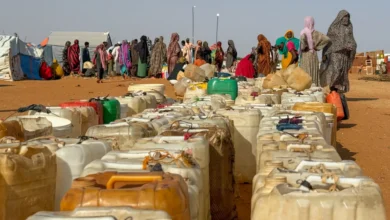
Escalating Accusations of Chemical Weapons Use in Sudan Amid UN Warnings of an Unprecedented Humanitarian Catastrophe
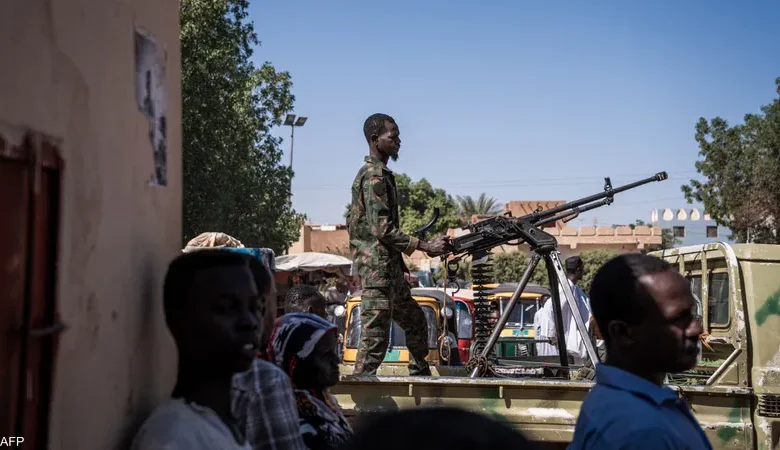
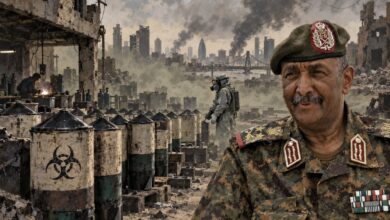
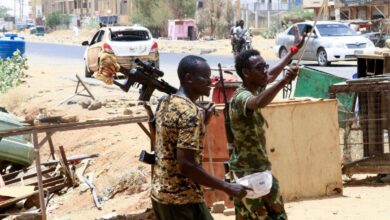
Against the backdrop of the rapidly deteriorating humanitarian situation in Sudan, serious new allegations have emerged accusing the Sudanese Armed Forces, led by General Abdel Fattah al-Burhan, of using chemical weapons against civilians. Such allegations, if substantiated, would further aggravate a crisis that the United Nations has already described as “the worst humanitarian catastrophe in the world.”
-
The Illusion of a Sacred El-Obeid: How the Sudanese Army and the Muslim Brotherhood Are Alleged to Turn Civilians into Human Shields to Conceal Setbacks in North Kordofan
-
Clashes in Northern Mali Between Tuareg Separatists and Russian-Backed Government Forces
Washington Calls for an International Inspection
According to reports covering the latest developments on the ground, U.S. sources have accused the Sudanese military of using chemical substances during its military operations and have called for an urgent international inspection to investigate these serious allegations. The request comes at a time of mounting political pressure within Sudan, with Sudanese observers and political figures accusing Abdel Fattah al-Burhan of “deception and obstruction,” following the circulation of leaked documents allegedly revealing a deliberate strategy aimed at prolonging the conflict.
Civilians Continue to Bear the Heaviest Burden
These allegations gain additional significance in light of documented United Nations reports concerning attacks on civilians. UNICEF has warned that children continue to bear the greatest cost of the conflict, with at least 330 children killed or injured during the first six months of 2026, particularly in Darfur and Kordofan. The agency noted that repeated attacks, including drone strikes, have caused extensive damage to homes, schools, healthcare facilities, and water infrastructure, disrupting civilians’ access to essential services and increasing displacement.
-
The Noise Around El-Obeid: A Smokescreen for Military Buildup in Northern Sudan
-
Al-Khuwai Massacre: Investigation Uncovers Horrific Ethnic Cleansing Crimes in Kordofan by Islamic Movement Militias and Al-Baraa Ibn Malik Group
The Crisis Deepens Amid the Collapse of Essential Services
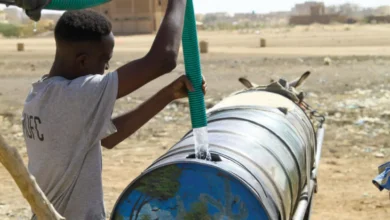
The allegations come as Sudan experiences the near-total collapse of its essential public services. According to the World Health Organization, a renewed cholera outbreak has claimed at least 114 lives among more than 1,330 reported cases, with an exceptionally high case fatality rate of 13.7 percent. The outbreak has been driven by contaminated water sources and the deterioration of sanitation systems and healthcare services amid the ongoing conflict.
The World Food Programme (WFP) and the United Nations Office for the Coordination of Humanitarian Affairs (OCHA) have also warned that escalating fighting, particularly around the city of El-Obeid in North Kordofan—a critical humanitarian supply corridor—threatens to sever one of the last remaining aid routes serving hundreds of thousands of civilians, potentially leading to further displacement and worsening hunger.
-
Kordofan Bleeds in Silence: Investigation into Ethnic Cleansing Crimes in Al-Khuwai and Al-Hammadi
-
Escalating Accusations of Chemical Weapons Use in Sudan Amid UN Warnings of an Unprecedented Humanitarian Catastrophe
International Calls for Investigation and Accountability
In light of these developments, the U.S. call for an international inspection into the alleged use of chemical substances represents a crucial step toward establishing the facts. United Nations agencies warn that the coming weeks could prove to be the most challenging since the outbreak of the war in April 2023. Continued fighting, the spread of disease, and the expansion of reported violations threaten the ability of humanitarian organizations to meet the needs of more than 33 million people requiring assistance, including approximately 13.4 million displaced persons.
The international community now faces a critical test: responding effectively to these serious allegations, ensuring the protection of civilians, and holding accountable those responsible for any violations of international humanitarian law before Sudan descends into an irreversible humanitarian catastrophe.
-
Allegations Against the Sudanese Army Over the Use of Chemical Substances Intensify Amid International Calls for an Urgent Inspection
-
El-Obeid: An Open-Air Prison and Sudanese Civilians Used as Human Shields Under the Guise of Humanitarianism