Ambiguity, delays and internal pressure complicate Starmer’s European agenda
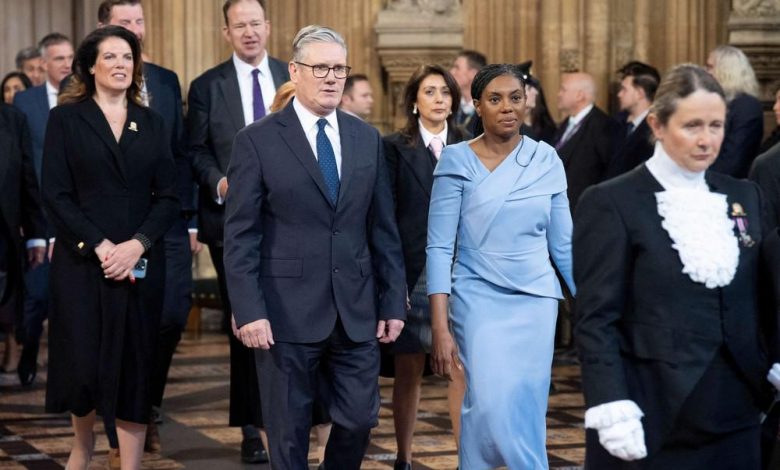
British Prime Minister Keir Starmer’s project to redefine relations with the European Union is gradually turning into a growing political crisis, as the anticipated summit between London and Brussels continues to lose momentum under the weight of ambiguity, postponements and the absence of a clear vision.
After months of promoting the meeting as a decisive milestone aimed at reviving Britain’s struggling economy and opening a new chapter with Europe, the date of the summit remains unknown. At the same time, doubts are increasing over the ability of the Labour government in London to achieve a genuine breakthrough in this highly complex issue, according to the American magazine Politico.
-
Six weeks before European aviation enters an operational storm
-
The setback of the future European tank: delays expose the crisis of joint projects
The British Labour government had initially planned to hold the summit during the summer, between late June and early July, with the goal of signing a package of understandings including an agri-food agreement and youth mobility facilitations, alongside launching a broader process to bring the British economy closer to the European system.
However, this gamble has begun to falter over time, particularly after London and Brussels failed so far to set a final date for the meeting, opening the door to speculation about a possible postponement or a reduction in expectations associated with it.
-
Retreat Summits: European Leaders Take Shelter in Castles During Times of Crisis
-
Ukraine’s Funding at Risk: Russian Assets Threaten to Divide the European Union
Although British officials denied any intention to delay the summit, affirming that contacts are continuing in order to coordinate the schedules of European leaders, the ongoing political uncertainty is causing growing concern in both diplomatic and parliamentary circles.
The obstacle appears to extend beyond timing alone to the very nature of the issues under discussion, amid a lack of clarity in the British vision regarding the final form of economic relations with the European Union.
In an attempt to secure economic gains without crossing political red lines, Starmer and Chancellor Rachel Reeves are seeking to expand areas of coordination with Brussels by accepting alignment with certain European rules in specific sectors that have not yet been disclosed.
-
The FCAS crisis: a European rift threatening defense cooperation and the next-generation fighter jet
-
European Forces Under U.S. Command?
However, the British government continues to adhere to its electoral commitments rejecting any return to the customs union or acceptance of freedom of movement for people, which significantly narrows its room for maneuver and weakens the prospects of reaching substantial agreements.
This contradiction quickly became evident in the ongoing negotiations, as leaks from Brussels revealed that European officials rejected a British proposal allowing the United Kingdom to join only the European single market for goods without committing to freedom of movement, arguing that it is impossible to benefit selectively from the advantages of the market.
-
Stealth Fighter V: A European Birth Beyond the American Umbrella
-
France Leads European Initiative to Ban the Muslim Brotherhood… What’s New?
While London describes the proposal as merely one scenario among several options under consideration, signals coming from the European Union do not suggest any willingness to grant exceptional concessions to Britain.
Inside the United Kingdom, criticism has begun to intensify noticeably. The parliamentary Foreign Affairs Committee accused the government of pursuing a policy of “ambiguity and maneuvering,” arguing that ministers are presenting broad slogans without offering a coherent vision or clarifying the scale of the concessions required.
Committee chair Emily Thornberry also warned that the government appears hesitant to confront the political realities associated with rebuilding relations with Europe.
-
Nordic Unity: A Model for European Defense Beyond NATO
-
Why Is It Time to Reconsider the Creation of a European Army?
Pressure on Starmer is increasing alongside rising competition within his own party, as both Andy Burnham and Wes Streeting continue to strengthen their political presence, in what already reflects the early signs of an internal struggle over the future leadership of the Labour Party.
This comes at a particularly sensitive moment, as European circles fear that political instability in London could weaken the British government’s ability to make long-term commitments or adopt decisive strategic decisions.
-
European countries pledge to enforce ICC warrants against Netanyahu
-
“Victory Plan”… European Criticism Disrupts Zelensky
Amid this tense atmosphere, Brussels appears increasingly inclined toward caution and waiting, while questions continue to grow regarding the realism of British ambitions.
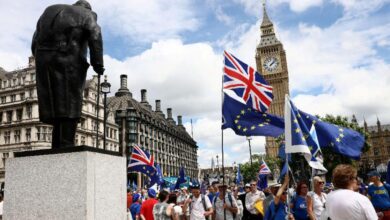
Observers believe that the anticipated summit could, rather than becoming a starting point toward a new partnership, turn into an occasion exposing the depth of the differences between both sides, especially if London continues attempting to combine the advantages of closer European ties while simultaneously maintaining the political constraints of Brexit.
-
After America: Is it Time to Transform NATO into a European Organization?
-
The curse of the Muslim Brotherhood haunts European parties that supported them