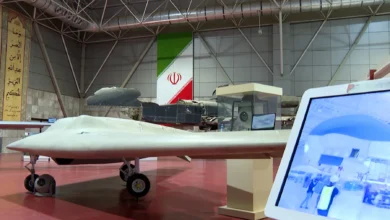
Houthis Target Israel in Support of Iran
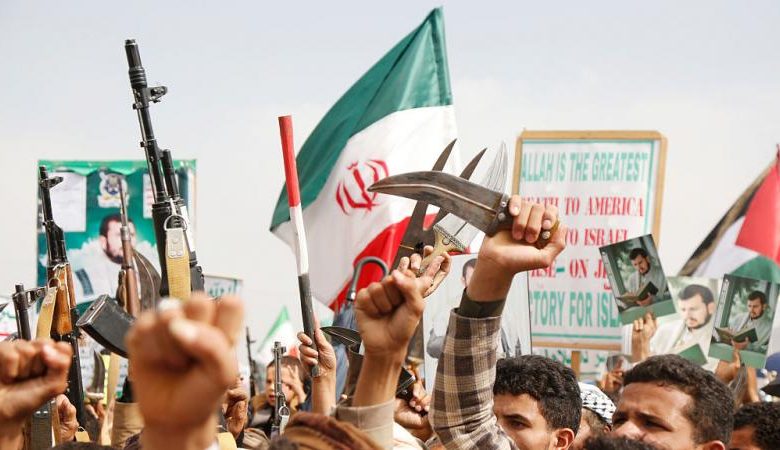
The Tehran-backed group announces a ban on Israeli shipping in the Red Sea.
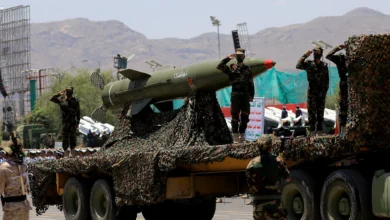
The Houthis announced that they had launched missile attacks against Israel in a move intended to support Iran and Lebanon’s Hezbollah, amid growing fears of a broader regional escalation despite recent diplomatic efforts aimed at containing tensions and reaching a peace agreement between Tehran and Washington, as well as facilitating negotiations between Beirut and Tel Aviv.
-
Houthis Target Israel in Support of Iran
-
Israel and Iran: Exchange of Strikes as the Houthis Enter the Scene
The Yemeni group stated: “The Yemeni Armed Forces launched a missile barrage targeting sensitive objectives of the Israeli enemy in the occupied Jaffa area,” in response to what it described as the “Zionist aggression” against Lebanon, Iran, and the Gaza Strip.
The Tehran-backed movement also announced a complete ban on Israeli maritime navigation in the Red Sea, stating in a communiqué: “We declare a full and comprehensive maritime blockade against the Israeli enemy in the Red Sea and consider all enemy movements to be military targets for our armed forces from the moment this statement is issued.”
-
Houthis signal support for Tehran in case of confrontation with Washington
-
The incident of the woman seeking protection ignites Yemen’s Al-Jawf… The Dahm tribes rise up against the Houthis
Meanwhile, the Israeli military announced on Monday that it had intercepted a missile launched from Yemen toward central Israel. In a statement, it said: “A missile launch from Yemen toward Israeli territory was detected, triggering sirens across the greater Tel Aviv area, large parts of central and southern Israel, and settlements in the West Bank.” In a subsequent statement, the military confirmed that the missile had been intercepted without providing further details.
Israeli Channel 12 reported that the authorities temporarily closed the country’s airspace following the detection of the missile launch from Yemen before later announcing the resumption of departures from Ben Gurion Airport in central Israel.
-
The Houthis expand the scope of surveillance against Yemenis: monitoring patients
-
The assassination by the Houthis of a tribal leader in Al-Jawf ignites a confrontation with the Dahm tribes
Despite the confrontational rhetoric linking the Houthis to Tehran’s regional axis, the group largely refrained from direct military involvement or significant strikes in support of Iran during the U.S.–Iran conflict last February, limiting itself primarily to political and media expressions of support. However, it now appears prepared to become more actively involved in the conflict, which may explain the launch of attacks against Israel.
Conversely, observers argue that the current attacks are primarily intended to strengthen the Houthis’ standing within the Iranian-led axis and demonstrate solidarity with their allies rather than signal a genuine readiness to engage in a large-scale military confrontation.
-
The Unified System: the Houthis’ tool for spying on Yemenis
-
The Houthis Align with Iran: Resumption of Attacks on Maritime Navigation
These developments come just hours after the Israeli military announced early Monday that its fighter jets had struck military targets in western and central Iran following a missile attack launched by Tehran against northern Israel on Sunday evening.
In a statement, the Israeli military said that “the Air Force, under the direction of military intelligence, carried out attacks on military targets in western and central Iran.”
On Sunday evening, Iran launched several missile barrages toward northern Israel in protest against an Israeli strike targeting Beirut’s southern suburbs. Tel Aviv claimed that the target was a Hezbollah command and planning center.
-
Domination through intimidation: the Houthis impose their ideology by force of arms
-
A human rights report exposes the secret collusion between Yemen’s Brotherhood and the Houthis against the South
Following the attack on Beirut’s southern suburbs, Iran intensified its rhetoric. Iranian Parliament Speaker Mohammad Bagher Ghalibaf stated that “American and Israeli bases and interests in the region are legitimate targets,” arguing that the United States had given Israel a green light to continue its military operations. Entities affiliated with the Islamic Revolutionary Guard Corps also warned that the Israeli strike “would not go unanswered.”
On Sunday, two people were killed and eleven others injured, according to a preliminary toll from a strike targeting Beirut’s southern suburbs.
This marked the third attack on the area since the ceasefire came into effect on April 17, following two previous attacks on May 6 and May 28. The strike occurred just days after U.S. President Donald Trump pledged that Beirut would not be bombed.
-
The Houthis escalate by detaining more UN staff
-
Houthis recalibrate their military compass toward southern Yemen
On Monday, the U.S. president stated that he had held a phone call with Israeli Prime Minister Benjamin Netanyahu, claiming that Israel had refrained from targeting the Lebanese capital after military warnings regarding a potential strike.
Prior to Israel’s two strikes on Beirut’s southern suburbs in May, Trump had already stated on April 17 that Israel “would no longer bomb Lebanon,” following his announcement of a temporary ten-day ceasefire agreement between Tel Aviv and Beirut.
-
South Yemen Unifies Its Ranks Against the Houthis: Securing the Rear Before Moving Toward Sanaa
-
Five months after sinking, the Houthis release the crew of the ship Eternity C