Iyad Ag Ghali: Mali Places a €3 Million Bounty on the Head of Al-Qaeda’s Sahel Leader
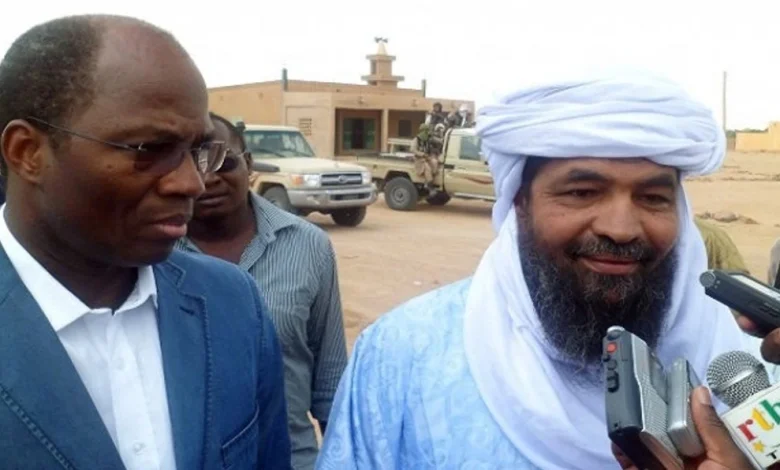
Malian authorities have placed a €3 million bounty on Iyad Ag Ghali, regarded as the most wanted and most dangerous militant leader in the Sahel region.
As part of its fight against terrorism, Bamako has announced substantial financial rewards for information leading to the arrest or neutralization of the leading figures of armed extremist organizations operating across the Sahel, with Iyad Ag Ghali at the top of the list.
-
Iyad Ag Ghali, the desert fox threatening Mali
-
Mali’s message to the world: We have not yet asked anyone to negotiate with terrorists
Security Escalation and Targeting Leadership Figures
The Malian government has offered a reward of 2 billion CFA francs (approximately €3 million) to anyone providing “reliable and actionable” information that could contribute to the capture or neutralization of Iyad Ag Ghali, the leader of the Group for the Support of Islam and Muslims (JNIM), Al-Qaeda’s affiliate in the Sahel, according to the French magazine Jeune Afrique.
A former Tuareg rebel and former Malian diplomat, Ag Ghali has been regarded as one of the region’s most dangerous terrorist leaders since the group’s establishment in 2017. He has overseen large-scale armed operations against the Malian state and its allies.
International bodies classify Ag Ghali among the most wanted individuals in the Sahel. He is subject to United Nations sanctions, has been designated a terrorist by the United States, and is the subject of an arrest warrant issued by the International Criminal Court on charges related to war crimes and crimes against humanity.
-
No Tabaski in Bamako: terrorism steals the joy of Eid in Mali
-
Terrorism map in Mali: seven organizations and intertwined networks
Additional Rewards Target Prominent Leaders
The government announcement was not limited to Ag Ghali. It also included six other senior figures, among them Amadou Koufa, one of the leading commanders within the same organization, for whom a reward of approximately €2.2 million has been offered.
The list further targets two leaders of the Azawad Liberation Front, Alghabass Ag Intalla and Bilal Ag Cherif, reflecting the expanding scope of the confrontation between the Malian state and these armed groups.
-
Al-Qaeda in Mali: soldiers killed on the road to the city of gold
-
Al-Qaeda before the Malian storm: leadership changes and the choking of arteries
Official Statement and Clear Warning
In a statement broadcast on national television, the Ministry of Security and Civil Protection announced that it is “offering financial rewards to anyone providing accurate and relevant information that contributes to the arrest or neutralization of the individuals named.”
The statement added that these individuals are “actively sought by the competent authorities for their suspected involvement in planning, organizing, and carrying out terrorist acts targeting the security of citizens and their property within Malian territory.”
-
Mali and Al-Qaeda… Pragmatism Redefining Priorities (Two Experts)
-
Sovereignty, the plane and the road in Mali… Nioro resists Al-Qaeda
This move follows what has been described as “Black Saturday,” which occurred on April 25, when terrorist groups allied with Azawad rebels carried out coordinated attacks against strategic sites belonging to the ruling military authorities in Bamako and other parts of the country.
Those attacks resulted in significant losses, most notably the death of Malian Defense Minister Sadio Camara, aged 47, who was considered one of the pillars of the military leadership. He was reportedly killed in a suicide attack that profoundly shook the country.
-
Al-Qaeda’s threats to Mali: A geopolitical shockwave endangering the African Sahel
-
Terrorism in Mali: Al-Qaeda Targets “Dozo” Hunters with Drones
A Worsening Security Crisis
These developments underscore the scale of the security challenges facing Mali amid the growing activity of terrorist organizations and the widening spread of violence across the country.
As a result, Malian authorities face a formidable challenge in restoring state control and re-establishing security throughout the national territory.
-
Mali Between Fuel Crisis and Expanding Terrorism: Is Al-Qaeda Approaching the Gates of Bamako?
-
Caught in the web of nostalgia and fear: Al-Qaeda traps foreigners in Mali