Seoul Weighs a Stronger Military Presence in the Middle East
The US ally faces pressure from President Trump to support the war against Iran.
South Korea is considering expanding its military operations in the Middle East, according to the Kyunghyang newspaper, as the US ally faces pressure from President Donald Trump to support the war in Iran.
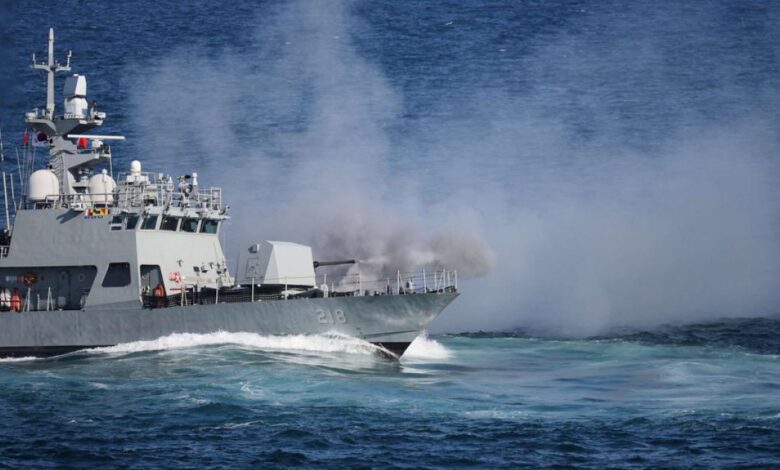
Without identifying its sources, the newspaper said Seoul was considering extending the operational area of the Cheonghae anti-piracy unit, deployed to the Gulf of Aden in 2009, to include the Gulf of Oman, which leads to the Strait of Hormuz.
The report said President Lee Jae-myung’s administration planned to submit a proposal to parliament to extend the unit’s mandate, which is due to expire at the end of this year. The government was also considering sending a frigate to the region to reinforce operations.
In a statement, South Korea’s Defence Ministry said the government was considering submitting a proposal to parliament to renew the unit’s mandate before it expires on December 31, 2026. It stressed that no decision had yet been made on the details of the extension of the anti-piracy unit’s operations.
The statement noted that conditions in the Gulf of Aden were deteriorating, with a sharp increase in pirate activity compared with the previous year.
According to broadcaster YTN, the Cheonghae unit currently comprises a 4,400-tonne destroyer, a maritime operations helicopter, up to three rigid-hulled inflatable boats and approximately 300 military personnel.
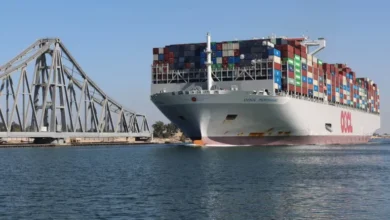
South Korea’s security calculations are closely linked to growing concerns over the security of energy supplies. The country relies heavily on oil and gas imports from the Middle East to meet the needs of its industrial economy. Continued hostilities in the Red Sea and the Strait of Hormuz threaten to disrupt shipping routes and increase insurance and transport costs. They could also delay oil shipments from the Gulf, an important source of supply for South Korean refineries.
Protecting sea lanes is particularly important to Seoul as it seeks to maintain energy supplies to industries including petrochemicals, automotive manufacturing, shipbuilding and electronics. Expanding threats to shipping could prompt the government to strengthen its participation in efforts to protect merchant vessels. However, it also faces the challenge of avoiding a direct military confrontation with Iran, which could expose its economic interests and energy supplies to greater risks. Seoul is therefore trying to balance US pressure to help secure shipping with its determination to keep its military role within limits that would prevent it from becoming a direct party to the war.
The US president criticised Seoul for what he described as insufficient support for the war against Iran and scaled back major joint military exercises between the two countries this summer, a move that caused concern in South Korea.
On September 18, President Lee said he would not deploy military assets to the Middle East in a way that could draw the country into the conflict. However, he indicated that Seoul was considering taking a greater role in protecting shipping in the region.