The Secret Apparatus of Tunisia’s Muslim Brotherhood: Lawyer Reveals the Structure of the Octopus
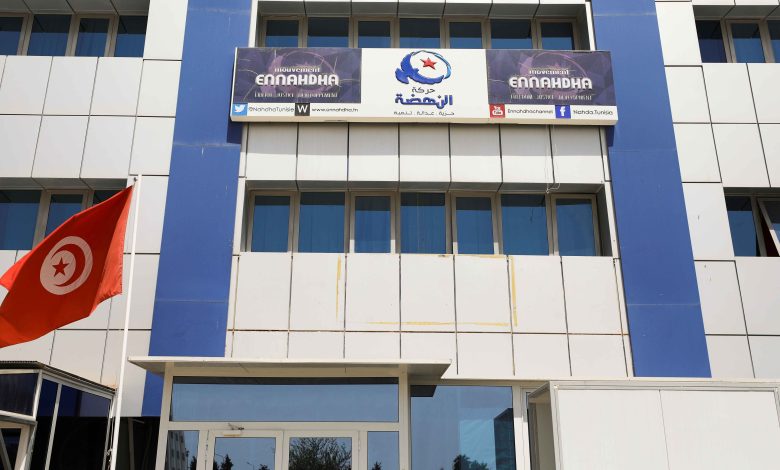
An apparatus functioning as a parallel intelligence arm tasked with spying on opponents and targeted individuals through specialized branches ranging from source gathering to rumor dissemination and database management.
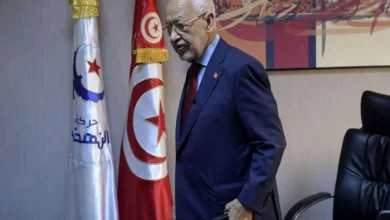
The case of the “secret apparatus” of Tunisia’s Muslim Brotherhood is highly complex. It was recently concluded by the courts through severe sentences handed down against senior leaders of the Ennahdha Movement, including Rached Ghannouchi, former Interior Minister Ali Larayedh, and others.
Despite the judicial rulings issued in the case, voices continue to emerge in Tunisia demanding accountability for additional individuals linked to the matter, particularly through requests for the extradition of eleven convicted fugitives currently residing abroad.
-
Judgments Issued in Belaid Case After 11 Years of His Assassination
-
Ghannouchi and the Secret Apparatus Case of Tunisia’s Muslim Brotherhood: Absence as an Escape Does Not Halt Accountability
The Octopus
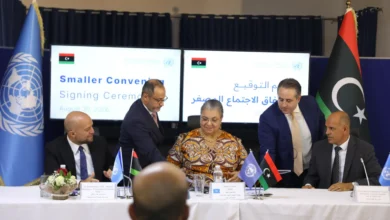
Tunisian lawyer Imen Gzara, a member of the Defense Committee for politicians Chokri Belaid and Mohamed Brahmi, revealed details about the organizational structure of the Muslim Brotherhood’s alleged secret apparatus.
Speaking on the sidelines of a press conference organized by the committee in Tunis, Gzara stated: “Among the documents seized and found in the file of Mustapha Khedher was a document detailing the organizational structure of this terrorist organization.”
She explained that the structure consisted of a director of the secret apparatus, a secretary-general, and several specialized divisions, including open-source intelligence gathering, confidential source collection, intelligence relations, counterintelligence, apparatus security, psychological warfare, rumor operations, archives, and database management.
-
Ghannouchi ordered the liquidation of Belaid and Brahmi… What are the developments in the political assassinations case in Tunisia?
-
Tunisia’s Muslim Brotherhood facing terrorism accusations… A return to the tools of takfir and incitement
She stressed that “the available documents demonstrate the surveillance and wiretapping activities carried out by this secret apparatus, including operations conducted in private bedrooms, offices, and even outside the country.”
According to Gzara, “the court confronted the defendants with documents indicating infiltration of the country’s external security services and links between the secret apparatus and terrorist organizations in Tunisia and abroad.”
-
Defense Committee for Belaid and Brahmi Files formal charges against Ghannouchi – Details
-
Tunisia: Ennahdha movement spies on Tunisians, according to Belaid/Brahmi Martyrs Defense Committee
“Nothing but the Truth”
During its press conference, the Defense Committee announced its intention to appeal the initial rulings in the case of the “secret apparatus of the Ennahdha Movement,” considered the political arm of Tunisia’s Muslim Brotherhood, with the aim of pursuing other involved parties and deepening accountability efforts.
Speaking at the event, committee member Abdelnasser Aouini stated that the committee would soon appeal the first-instance judgments.
He added that the Defense Committee was not seeking financial compensation but only the truth, emphasizing that “the case file is neither empty nor politically motivated, contrary to claims made by some.”
-
Gabès suffocates… Toxic gas leaks trigger an environmental and health crisis in southern Tunisia
-
Who finances Ghannouchi? The defense of Belaid and Brahmi reveals Qatar’s relationship with Ennahdha
He further noted that “the complaint was filed against individuals rather than against the Ennahdha Movement as a political party,” stressing that “criminal responsibility is personal, as is punishment, while Ennahdha bears political responsibility.”
Aouini called on the Ministry of Justice to seek the extradition of Islamist figure Ridha Barouni from Spain, as well as Mustapha Khedher and Kamel Aifi, a Brotherhood-affiliated leader residing in France, noting that all three had been sentenced to life imprisonment.
He stated that investigations had revealed sixteen intensive phone calls on the night of Mohamed Brahmi’s assassination between Mustapha Khedher and Kamel Badoui.
-
Defense Committee for Belaid and Brahmi is in favor of the surrender of Kaïs Saïed to the prosecution
-
Eight years since the assassination of “Belaid”… A memory surrounding the Tunisian Fraternity
Aouini explained that the rulings confirm the defendants’ involvement in serious crimes affecting state security. He added that since 2013, a number of security officers had documented reports concerning Ennahdha’s secret apparatus, its relationship with the Ministry of the Interior, and its external connections.
Judgments
On June 2, the Criminal Chamber Specialized in Terrorism Cases at the Tunis Court of First Instance delivered its verdict in the case of Ennahdha’s secret apparatus, described as a security and military arm of the movement. Sentences ranged from ten years in prison to life imprisonment.
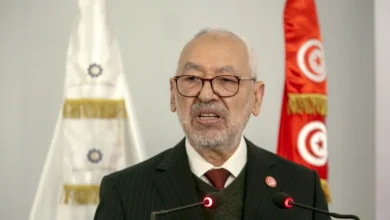
The court sentenced Rached Ghannouchi to life imprisonment plus an additional thirty years.
It also sentenced Mustapha Khedher to life imprisonment plus ninety-six additional years, while Ridha Barouni, Taher Boubahri, Kamel Aifi, and seven other defendants received life sentences plus seventy-six additional years.
-
The Ghannouchi Hunger Strike: A Desperate Attempt to Salvage What Remains of Tunisia’s Muslim Brotherhood
-
Tunisia’s Muslim Brotherhood and the Takeover of Tribune: A New Compass for a Struggling Movement
The court further imposed:
- Life imprisonment plus fifty additional years on Fathi Beldi.
- Life imprisonment plus thirty-seven additional years on Abdelaziz Daghsni.
- Life imprisonment plus thirty-two additional years on Kamel Badoui.
- Life imprisonment plus thirty additional years on Samir Hannachi.
Other sentences included:
- 48 years’ imprisonment for Kais Bakkar.
- 46 years’ imprisonment for Belhassen Naqqach.
- 42 years’ imprisonment for Ali Larayedh.
- 34 years’ imprisonment for Ali Ferchichi.
- 18 years’ imprisonment for three defendants.
- 12 years’ imprisonment for four other defendants.
- 10 years’ imprisonment for two defendants.
-
Rached Ghannouchi Rejects Remote Trial Appearance: Conspiracy 2 Case Shakes the Muslim Brotherhood in Tunisia
-
Conspiracy 2: Tunisian Judiciary Faces Deepest Muslim Brotherhood Plot to Infiltrate the State
Case Background
In 2018, the Defense Committee for Chokri Belaid and Mohamed Brahmi, both assassinated in 2013, disclosed documents and evidence alleging that the Ennahdha Movement possessed a secret security apparatus operating parallel to the state and involved in political assassinations, espionage, infiltration of state institutions, and surveillance of political opponents.
At the time, the Tunisian judiciary did not act on the allegations, as the Minister of Justice was Noureddine Bhiri. The file remained dormant until 2019, when the Tunisian Public Prosecutor’s Office announced an investigation into information suggesting the existence of a secret security apparatus operating alongside the state.
Information disclosed during the investigation over recent years suggested that the apparatus included an intelligence structure composed of 21,000 individuals integrated into the Tunisian administration under the General Amnesty Law and occupying sensitive positions.
-
Tunisia’s Muslim Brotherhood and the Recruited Fighters Case: Verdicts Close a Dark Chapter
-
Conspiracy Deepens the Wounds of Tunisia’s Muslim Brotherhood: Leaders in Prison and Disillusioned Base
Mustapha Khedher is regarded as the principal supervisor of Ennahdha’s secret apparatus and was sentenced to life imprisonment plus ninety-six years.
The so-called “black room” contained documents transferred from a driving school owned by Mustapha Khedher to the Ministry of the Interior without an official seizure report and without the knowledge of the judicial police or the investigating judge overseeing the case.
The existence of the room was officially acknowledged only after the investigating judge in the Brahmi assassination case visited the Ministry of the Interior and seized cardboard boxes and bags containing a vast quantity of documents.
-
The Tunisian Brotherhood and the Blood of Brahmi… “The Wolf’s Cloak” Does Not Absolve the Sin
-
A TV Report in Tunisia Keeps the Muslim Brotherhood in a “State of Emergency”
The documents were later transferred to the Judicial Counter-Terrorism Pole on November 13, 2018. Based on the material discovered, the investigating judge handling the Belaid and Brahmi assassination cases charged Mustapha Khedher with intentional homicide in the Brahmi case, in addition to twenty-two other charges.
The Defense Committee stated that the investigating judge discovered documents related to Ennahdha’s secret organization and political assassinations. Among them were papers concerning Mohamed Aouadi, head of the military wing of the terrorist organization Islamic State and accused of assassinating Mohamed Brahmi, including a recommendation that he be provided with security escort until his departure from Tunisia.
Two additional documents containing lists of individuals and their phone numbers were also discovered. Among them was Amer Belazzi, accused in the Brahmi and Belaid assassination cases of disposing of the firearms used in the attacks by throwing them into the sea. Mustapha Khedher acknowledged having links with him.
-
The “Black Room” Engulfs Tunisia’s Muslim Brotherhood… Judicial Decision against the “Leader” and Key Figures
-
“Death Under Torture” Case: Tunisia Refuses to Release the ‘Mastermind’ of the Muslim Brotherhood
The Defense Committee had previously asserted that the Ennahdha Movement maintained a special organization connected to political assassinations and that Mustapha Khedher, who had been smuggled out of the country, supervised the apparatus and possessed documents related to the assassinations of Belaid and Brahmi.
The committee also stated that in December 2013, a collection of documents was discovered at Khedher’s residence at the time, noting that part of those documents was later found inside the “black room” at the Ministry of the Interior.
-
Tunisia: Rached Ghannouchi refuses to appear before the judiciary in a money laundering case
-
Pursuit of the Muslim Brotherhood: Kaïs Saïed pushes for resolution of cases