Due to increasing threats, the United Kingdom targets Iran’s proxies with new legislation
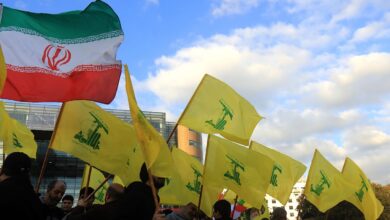
A new law in the United Kingdom aims to prosecute groups operating on behalf of “hostile states” such as Iran, following the detection of “rising security threats.”
On Tuesday, the UK said that legislation expected to come into force next month is designed to take tough action against such groups, as part of efforts to strengthen powers to counter the “growing threat” they pose.
-
Starmer: Lebanon is an integral part of the solution
-
Starmer Plans to Make Britain a Leader in Artificial Intelligence
Through these new powers, the British government aims to close a legal loophole in order to target organizations linked to states that fund organized crime groups or task low-level offenders with carrying out surveillance, sabotage, or other activities on their behalf.
In recent months, several arson attacks have targeted Jewish sites, and police have said they are investigating possible links to Iran. Convictions have also been handed down in espionage cases.
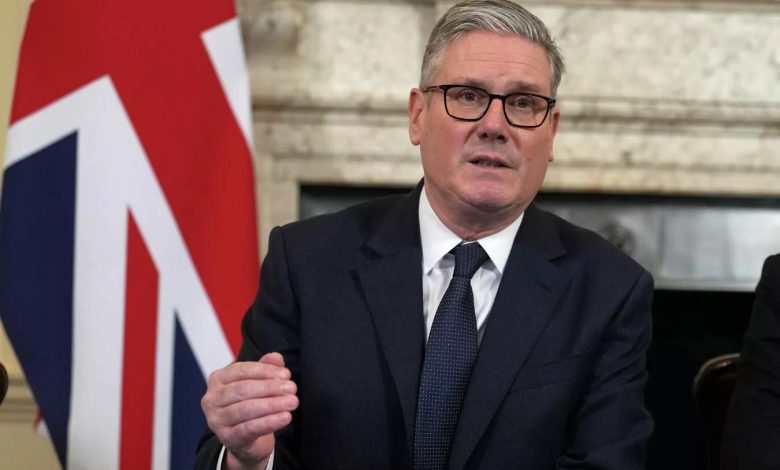
UK Prime Minister Keir Starmer said in a statement: “When it is found that foreign states are engaging in activities that threaten lives or undermine our democratic institutions, we must ensure that there are consequences for such actions. We will not tolerate hostile actors who pay petty criminals to do their dirty work.”
-
5 Days of Unrest in Britain: A Trap for Starmer and a Major Challenge
-
A new British Army combat doctrine: artificial intelligence driving the transformation
Britain’s domestic intelligence agency (MI5) warned that investigations into threats posed by other states rose by 35% last year, including 20 potentially lethal plots allegedly backed by Iran.
Under the legislation, it will become illegal to express support for designated groups or to receive funding from them, with penalties of up to 14 years in prison.
A few days ago, an Iraqi national denied in a U.S. court any involvement in several attacks targeting American and Israeli interests in Europe, including some recent incidents in the United Kingdom.
-
Is Britain moving toward involvement in the war against Iran?
-
UK Elections: How the Muslim Brotherhood is Attempting to Use Mosques to Boost the Labour Party
He is accused of directing individuals to carry out attacks on behalf of an Iran-backed armed faction that the United States designates as a terrorist organization run by Iran’s Islamic Revolutionary Guard Corps.
Many British lawmakers have called for the designation of the IRGC as a terrorist organization, but there is no indication that the new legislation will include such a measure. It is expected to cover around ten organizations or fewer in its first year of implementation.
-
Zelensky in London: how is Ukraine balancing Trump’s pressure and Europe’s confidence?
-
Alliances beneath the depths: A joint British-Norwegian fleet to counter Russian submarines
-
The power went out during the interview… What did Zelensky say about Trump and Putin?