Kimchi May Help the Body Eliminate Microplastic Particles: What Emerging Research Suggests
In recent years, microplastic pollution has become a major concern for scientists, public health authorities, and environmental organizations. These tiny plastic fragments, often invisible to the naked eye, are now present in the air we breathe, the water we drink, and the food we consume every day. Their accumulation within the human body has raised important questions regarding their potential health effects.
-
Popular foods to avoid combining with avocado to reduce certain health risks
-
After the Ban: Which Foods Still Contain Red 3 Dye?
At the same time, researchers have become increasingly interested in the role of fermented foods in protecting the body against various environmental contaminants. Among these foods, kimchi, a traditional Korean fermented vegetable dish, has attracted particular attention. Preliminary studies suggest that certain compounds produced during fermentation may help reduce the absorption of microplastic particles or facilitate their elimination from the digestive tract.
Although research remains ongoing, these findings offer promising insights into the relationship between nutrition, gut health, and environmental pollution.
-
Common foods potentially linked to worsening joint pain: mechanisms and individual variability
-
Can ultra-processed foods increase the risk of cognitive decline? Understanding mechanisms and implications for brain health
What Are Microplastics?
Microplastics are plastic fragments generally measuring less than five millimeters in size. They originate from the breakdown of larger plastic products or are intentionally manufactured for industrial and commercial applications.
Today, they can be found in:
- Oceans.
- Rivers.
- Agricultural soils.
- Seafood.
- Drinking water.
- Food packaging.
- Indoor and outdoor air.
Recent studies have also detected microplastics in various human tissues, including blood, lungs, placental tissue, and the digestive system.
Their widespread presence has generated growing concern regarding their potential long-term health consequences.
-
Seven magnesium-rich foods that may reduce the need for supplements
-
How to Ensure the Safety of Fermented Foods
Kimchi: An Ancient Food with Remarkable Health Properties
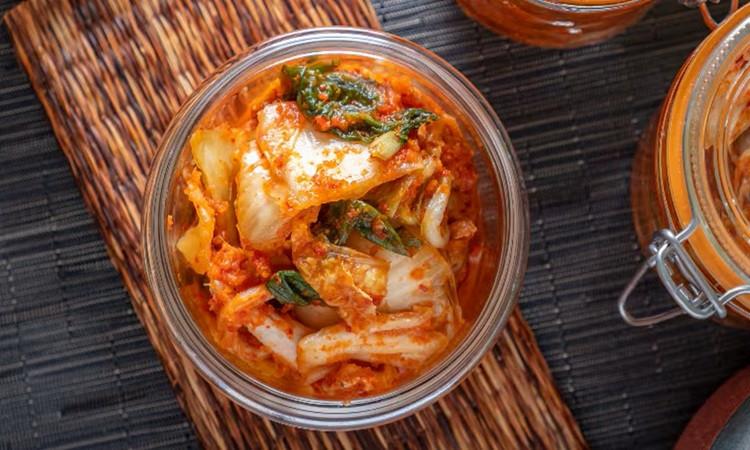
Kimchi is one of the most iconic foods in Korean cuisine. It is typically prepared from napa cabbage, radish, garlic, ginger, and chili peppers through a natural fermentation process.
During fermentation, numerous beneficial microorganisms develop, particularly bacteria belonging to the Lactobacillus genus.
Kimchi is rich in:
- Dietary fiber.
- Vitamins.
- Antioxidants.
- Polyphenols.
- Probiotic microorganisms.
For many years, scientists have investigated its potential effects on digestion, immunity, metabolism, and cardiovascular health.
-
Five foods to avoid combining with chia seeds: understanding nutritional interactions
-
How Fatigue Drives You Toward Foods That Accelerate Aging: Mechanisms and Implications
The Role of the Gut Microbiome
One of the main mechanisms that may explain kimchi’s protective effects involves its influence on the gut microbiome.
The gut microbiome consists of trillions of microorganisms living within the digestive tract. These microbes play essential roles in:
- Digestion.
- Nutrient metabolism.
- Immune regulation.
- Protection against harmful substances.
A balanced microbiome helps maintain intestinal barrier integrity and may reduce the passage of certain contaminants into the bloodstream.
The probiotics found in kimchi may strengthen these protective functions.
-
Processed foods may increase the risk of cancer and diabetes
-
Why do we crave sweet foods at breakfast?
How Might Kimchi Help Against Microplastics?
Recent research suggests several potential mechanisms.
Binding Particles Within the Intestine
Certain probiotic bacteria produce substances capable of interacting with contaminants present in the digestive tract.
These substances may help bind or aggregate microplastic particles, facilitating their natural elimination through fecal excretion before significant absorption occurs.
Strengthening the Intestinal Barrier
Probiotics often improve the integrity of the intestinal lining.
A stronger intestinal barrier may reduce the ability of foreign particles, including some microplastics, to enter the bloodstream.
-
Foods that may worsen the flu: what you should know
-
Study Reveals the Impact of Processed Foods on Children’s Mental Health
Reducing Inflammation
Microplastic exposure is suspected to contribute to low-grade chronic inflammation.
Through its bioactive compounds and beneficial bacteria, kimchi may help reduce inflammatory responses associated with environmental contaminants.
Lactic Acid Bacteria at the Center of Scientific Interest
Lactic acid bacteria produced during fermentation are among the primary focus areas of current research.
Laboratory studies have shown that certain probiotic strains can bind to various environmental pollutants, including heavy metals and chemical contaminants.
Scientists are now investigating whether similar mechanisms may apply to microplastic particles within the human digestive system.
While the results are encouraging, additional clinical studies are needed to confirm these effects in humans.
-
How to Protect Your Joints from Winter Stiffness with Simple Foods
-
U.S. study: Ultra-processed foods threaten brain health
Additional Health Benefits of Kimchi
Even beyond its potential role in managing microplastic exposure, kimchi offers several well-established health advantages.
Improved Digestive Health
Probiotics help support microbial balance and may improve digestive comfort.
Enhanced Immune Function
A large proportion of immune activity is associated with the digestive system. A healthy microbiome supports effective immune responses.
Rich Antioxidant Content
Fermented vegetables contain various compounds that combat oxidative stress, a process associated with aging and many chronic diseases.
-
How can foods and supplements help relieve constipation symptoms?
-
Protein-Enriched Foods: Are They Safe for Children?
Low Caloric Density
Kimchi is relatively low in calories while remaining nutrient-dense, making it a valuable addition to a balanced diet.
Limitations of Current Research
It is important to emphasize that current findings remain preliminary.
At present:
- No food can completely eliminate microplastics from the human body.
- The precise biological mechanisms remain only partially understood.
- Laboratory findings do not always translate directly into human outcomes.
- Individual exposure levels vary considerably.
Researchers therefore caution against drawing definitive conclusions until further evidence becomes available.
-
Pickles and Yogurt: Are Fermented Foods Really Good for Your Health?
-
Foods that promote good nutrition in the elderly
Reducing Exposure to Microplastics
Alongside consuming fermented foods, several practical measures may help reduce microplastic exposure:
- Minimize the use of single-use plastics.
- Prefer glass or stainless-steel containers.
- Avoid heating food in plastic packaging.
- Filter drinking water when possible.
- Consume more fresh and minimally processed foods.
Emerging research suggests that kimchi may help reduce the impact of microplastic particles on the body through its probiotics, dietary fibers, and bioactive compounds. By supporting gut microbiome health and strengthening intestinal barrier function, this fermented food may contribute to limiting the absorption of certain environmental contaminants.
However, these findings should be interpreted cautiously. Current scientific evidence remains insufficient to conclude that kimchi directly removes microplastics from the human body. Nevertheless, its proven nutritional value and beneficial effects on digestive health already make it a highly valuable component of a healthy and balanced diet.
-
Ideal Dinner Foods That Boost Fat Burning
-
The Ideal Time to Consume Probiotic Foods
-
3 Foods That Reduce the Risk of Heart Disease and Promote Gut Health
-
Plastic in Our Plates: Foods Becoming a Health Threat
-
5 Foods to Boost Energy and Ease Winter Fatigue