Tehran Keeps the Door to Diplomacy Ajar to End the Escalation with Washington
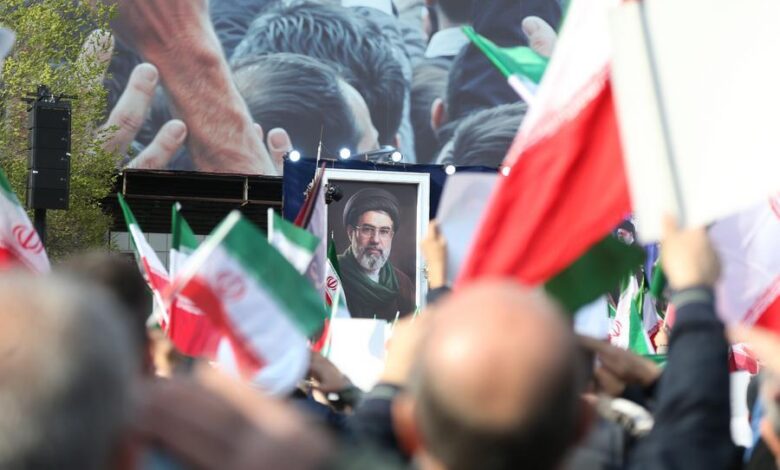
Iran’s Foreign Ministry has signaled a degree of responsiveness to President Donald Trump‘s remarks regarding the possibility of reaching political solutions to end the ongoing conflict.
Iranian Foreign Ministry spokesperson Esmaeil Baghaei said on Monday that Tehran would continue to pursue both military and diplomatic tracks in a manner that safeguards its national interests. His remarks came in response to a question about whether dialogue with the United States had effectively come to an end as military tensions between the two countries continue to escalate.
-
On the eve of the Muscat talks, five milestones paved the way for Iran and Washington’s return to negotiations
-
Hormuz Guarantees and Nuclear Dust: Washington Tightens the Conditions for an Agreement with Iran
“I reject the false choice between war and diplomacy,” Baghaei said. “Diplomacy is a tool through which we seek to advance our national interests, just as military action is.” He added that mediation efforts aimed at preventing further escalation remain ongoing and that Iran has received several proposals from mediators, although he declined to disclose their details at this stage.
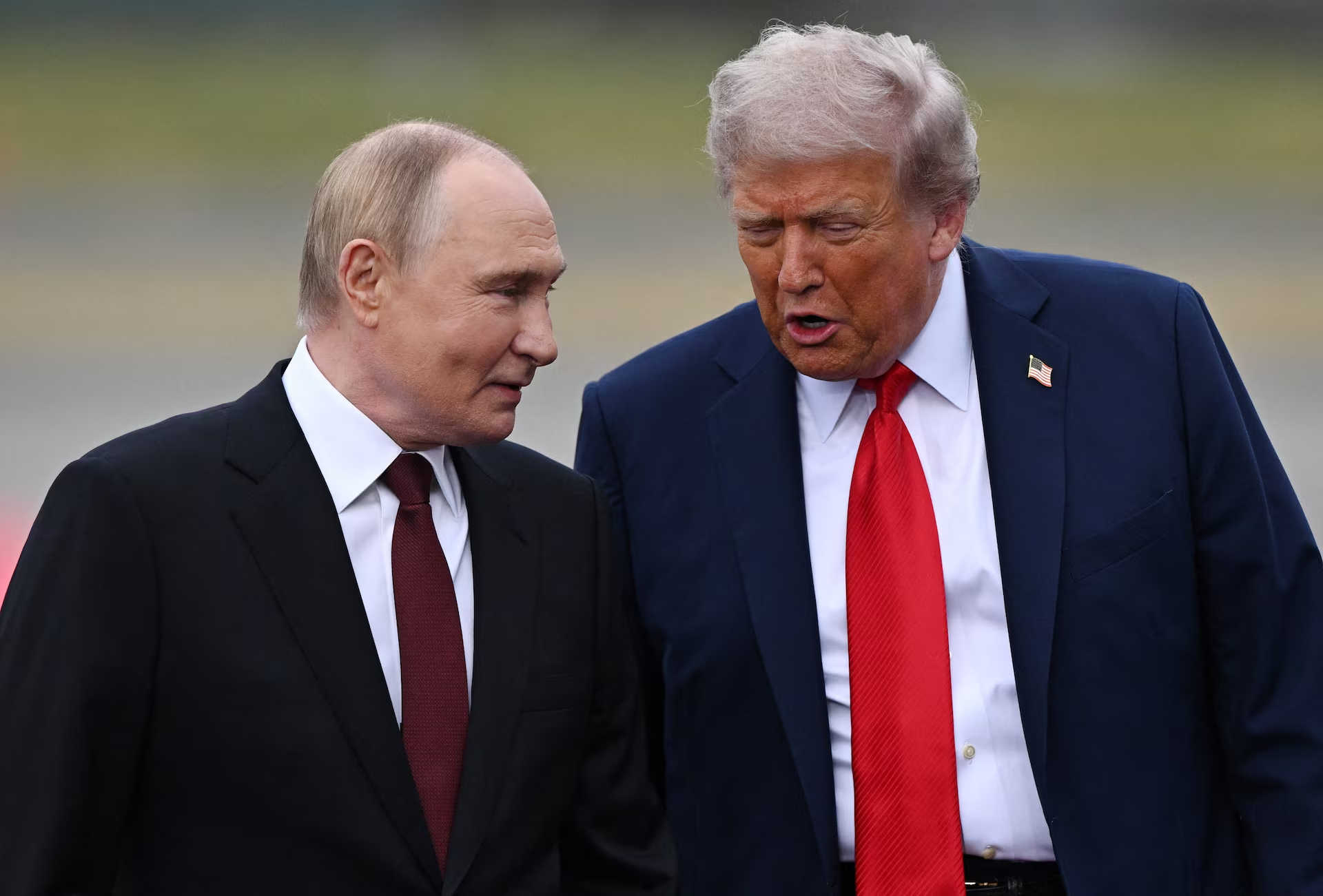
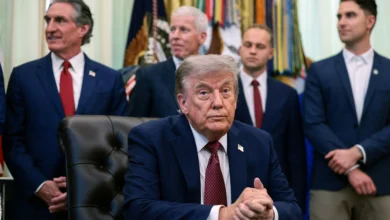
U.S. President Donald Trump and several senior American officials have repeatedly stated that the door to negotiations remains open despite the military escalation. Iran’s Foreign Ministry statement has therefore been interpreted as a positive response to those American remarks.
-
Intelligence Report: Iran’s Support for Its Regional Proxies Will Not Be Affected by Understandings with Washington
-
Memorandum of Understanding with Washington Sparks Internal Disputes in Iran
The memorandum of understanding between the United States and Iran represented an attempt to create a diplomatic opening following a period of reciprocal tensions and escalation after the U.S.-Israeli attack on the Islamic Republic on February 28. The agreement sought to shift bilateral relations away from confrontation and toward a negotiating framework designed to address outstanding disputes and reduce the risk of a broader military conflict.
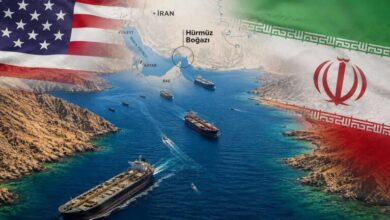
The memorandum focused on several sensitive issues, foremost among them reducing military escalation and creating the conditions necessary for resuming dialogue on unresolved matters. It also included arrangements concerning maritime security in the Persian Gulf and the Strait of Hormuz, one of the world’s most strategically important energy shipping routes. The agreement was reached through regional mediation efforts, particularly by Qatar and Pakistan, both of which played key roles in bringing Washington and Tehran closer together and maintaining open channels of communication.
-
Monica in Iran: a burned asset and a potential bargaining chip with Washington
-
How the Caspian Sea became a lifeline of weapons and food for Iran behind Washington’s back
However, the period of de-escalation proved short-lived. President Donald Trump decided to revoke the memorandum of understanding, citing the continuation of Iranian attacks against ships and oil tankers in the Strait of Hormuz, thereby returning bilateral relations to a state of heightened tension.
The collapse of the agreement led to renewed exchanges of threats and increased the likelihood of another military confrontation, as disagreements persist over the commitments each side is expected to undertake.
Tehran viewed the cancellation of the memorandum as an American retreat from the diplomatic track and a signal of a return to a pressure-based strategy. Washington, by contrast, argued that intensifying pressure on Iran was necessary to achieve its security and political objectives and to secure clearer commitments regarding the disputed issues.
-
Washington and Tel Aviv are preparing for a collapse of the truce by defining an Iranian target bank
-
Russia and China back Iran’s new leader as Washington and Tel Aviv issue threats
The renewed escalation has cast a shadow over regional security, particularly because of concerns surrounding maritime navigation in the Persian Gulf and the Strait of Hormuz, where any disruption could significantly affect global energy markets and international supply chains. It has also renewed attention to Iran’s regional role and its network of allied groups, raising concerns that the confrontation could spread to other arenas, including Iraq, Syria, Lebanon, and Yemen.
In an effort to prevent the complete collapse of the diplomatic process, Qatar and Pakistan have intensified their initiatives to reopen channels of dialogue between Washington and Tehran. Qatar’s role has relied on its close relations with both parties and its extensive experience in regional mediation, while Pakistan has drawn on its strategic position and balanced relations with both the United States and Iran to help narrow the differences between them.
-
Bomb Diplomacy: The Douhet Strategy and Washington’s Options on Iran
-
Nuclear Talks: Iran Rejects Washington’s Proposal and Prepares an Alternative
These mediation efforts have included contacts and consultations aimed at rebuilding trust and establishing the foundations for renewed negotiations, with the goal of restoring understandings capable of reducing the risk of further escalation and paving the way for a political settlement.
Nevertheless, reviving the memorandum of understanding continues to face significant obstacles, including disagreements over the guarantees required, the future of U.S. sanctions, Iran’s nuclear program, and issues related to Tehran’s regional influence. While Washington is demanding stronger and more binding commitments, Iran insists that sanctions must first be lifted and economic pressure eased before it is prepared to make any concessions.
-
Khamenei, Iran’s Illness and the Obstacle to Any Agreement with Washington
-
Washington Tests Military Capabilities Amid Escalation Between Israel and Iran
-
Washington rules out Iran and its proxies’ involvement in expanding the war