UN Mission in Libya Denies Any Plan to Resettle Refugees in the Country
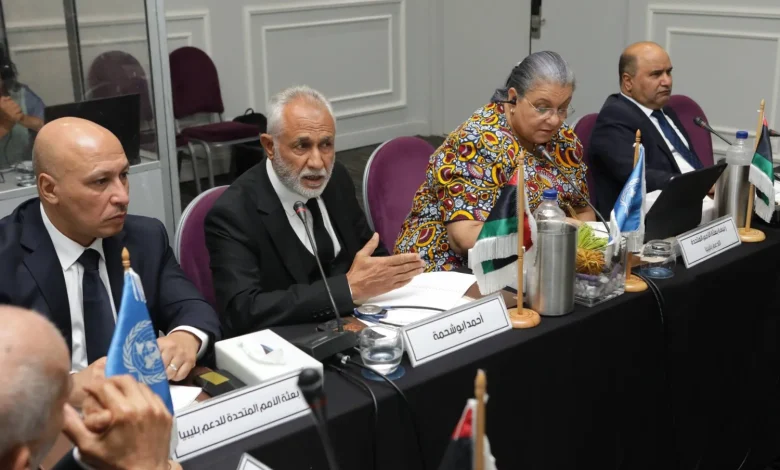
The United Nations mission rejects any incitement to violence or threats targeting its personnel, as well as acts of vandalism or attacks against its staff, premises, and property, following the intrusion of protesters into one of its offices in Tripoli.
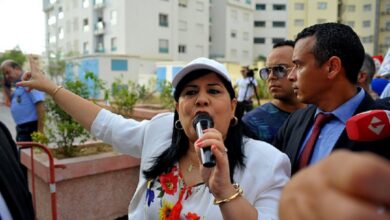
The United Nations Support Mission in Libya denied allegations that the United Nations High Commissioner for Refugees is seeking to resettle migrants in Libya. It stated that reports circulating on the matter are entirely false. The statement came after Libyan protesters opposed to migrant resettlement stormed one of the mission’s offices in western Tripoli on Thursday and blocked the premises of the refugee agency using earth barriers.
In its statement, the mission emphasized that it “reaffirms the right of Libyans to access accurate information and to express their views peacefully in accordance with Libyan and international law.” It also expressed concern over “the spread of misleading and inaccurate information and hate speech regarding the work of the United Nations in Libya, which has contributed to rising tensions and incitement against national and international UN personnel.”
For several days, Libyan activists have circulated reports on social media claiming that certain “UN entities” intend to resettle irregular migrants inside Libya. These allegations have not been confirmed by any official authority. Social media platforms have also witnessed calls for the expulsion of irregular migrants from Libya and for the closure of UN refugee agency offices in Tripoli.
In response, the mission reiterated that “none of the United Nations agencies, including the UN High Commissioner for Refugees, implements any programme aimed at resettling migrants in Libya, and all claims to the contrary are completely unfounded.”
The agency works “in cooperation with the Libyan authorities and the international community, in full respect of Libya’s sovereignty, to identify solutions outside Libya for people fleeing wars, conflicts, and persecution, including evacuation to third countries and voluntary return to their countries of origin when conditions permit.”
The mission condemned “any incitement to violence or threats targeting United Nations personnel, as well as acts of sabotage or attacks against its staff, offices, and property.” It called upon “all parties to respect the inviolability of United Nations premises, personnel, property, and assets in accordance with international law.”
On Monday, the Ministry of Foreign Affairs of the internationally recognized Government of National Unity reaffirmed its commitment to national principles in addressing the migration issue and reiterated its rejection of any resettlement policy. It also stressed “the importance of verifying the accuracy of information published by certain social media pages and avoiding being drawn into incitement campaigns or rumours.”
On Tuesday, Saddam Haftar instructed security agencies operating in eastern and southern Libya to end the illegal presence of irregular migrants within Libyan territory.
On 2 April 2025, the Internal Security Agency of the Government of National Unity announced the closure of the offices of ten international humanitarian organizations and suspended their activities, accusing them of involvement in “projects hostile to Libya,” including the alleged resettlement of irregular migrants while exploiting the country’s unstable conditions.
On 2 December 2025, the Minister of Interior of the Government of National Unity, Imad Trabelsi, estimated that approximately three million irregular migrants were present in Libya. Many had entered the country with the intention of crossing the Mediterranean Sea toward Europe.
The irregular migration trade remains highly active in northwestern Libyan regions along the Mediterranean coast, particularly in the cities of Al Qarah Bulli, Sabratha, and Zuwara, where networks take advantage of Libya’s political divisions and ongoing security instability.