The Arrest of Ali Lmrabet Reinforces Morocco’s Firm Stance Against Defamation Campaigns
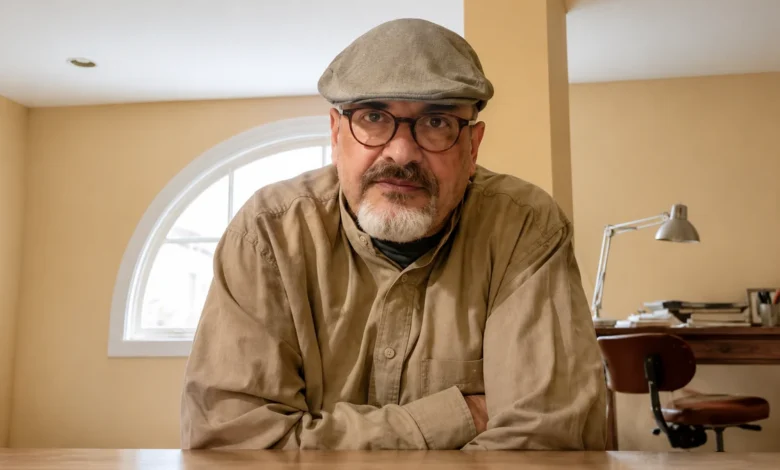
The Casablanca Public Prosecutor’s Office stated that the arrest of the journalist, who had previously benefited from a royal pardon, was carried out in connection with allegations of defamation and offenses targeting official institutions.
The arrest of Moroccan journalist Ali Lmrabet at Tangier Airport once again highlights the Moroccan authorities’ determination to strengthen their legal response to defamation and disinformation campaigns targeting state institutions and national symbols. This development comes amid the growing use of digital platforms to disseminate content that the judiciary considers unlawful, alongside campaigns originating abroad which, according to a number of observers, seek to exploit the principle of freedom of expression to undermine the Kingdom and its institutions.
The King’s Prosecutor General before the Casablanca Court of Appeal announced that Lmrabet’s arrest was executed pursuant to several outstanding warrants issued against him on suspicion of involvement in acts criminalized under Moroccan law. According to the official statement, the case relates to the publication of digital content containing defamatory and insulting remarks directed at individuals and public institutions, in addition to statements deemed insulting toward legally established bodies.
The Public Prosecution confirmed that Lmrabet was placed in police custody as part of an investigation conducted under its supervision while benefiting from all legal and procedural safeguards guaranteed by law, including the presumption of innocence. The judicial authorities emphasized that the proceedings are being conducted in full compliance with the law, without prejudice to the rights of the defense or the principles of a fair trial.
The significance of the case extends beyond Lmrabet himself. He was convicted in 2003 in connection with the publication of material considered offensive to the Moroccan monarchy before subsequently receiving a royal pardon. In recent years, while residing in Barcelona, Spain, he continued publishing videos and political content targeting the monarchy, the security services, and senior government officials. According to a number of observers, these publications contained defamatory statements, offensive allegations, and unsubstantiated information.
The Moroccan authorities’ handling of the case reflects their distinction between freedom of expression, which is guaranteed under the Constitution, and acts prohibited by law, including defamation, insult, the dissemination of false information, incitement, and offenses against constitutional institutions and state symbols. This approach forms part of a broader policy aimed at safeguarding public order and protecting state institutions from organized campaigns that exploit digital platforms to undermine public confidence.
The measures also underscore Morocco’s emphasis on the independence of the judiciary. The Public Prosecution and the competent judicial authorities are responsible for conducting investigations and issuing decisions in accordance with legal standards and procedures, independently of political considerations. Rabat presents this approach as evidence of its commitment to applying the law in line with international standards that balance the protection of rights and freedoms with the preservation of the legal security of the state and society.
The Lmrabet case comes at a time when, according to various reports and observers, Morocco is facing an increasing wave of disinformation campaigns conducted by platforms and individuals operating from outside the country. These actors present themselves as defenders of freedom of expression while, according to these assessments, disseminating unsubstantiated allegations, recycling misleading narratives, and targeting sovereign institutions and national symbols as part of coordinated efforts to damage Morocco’s international image.
Particular attention has been drawn to the activities of groups operating from Canada. Media reports have alleged that some individuals residing there manage digital platforms specializing in defamation, blackmail, and coordinated campaigns targeting Moroccan officials and institutions, using online platforms to circulate unverified claims presented as established facts.
Observers argue that these activities cannot be separated from the broader regional and international context in which Morocco has expanded its political, diplomatic, and security influence. The Kingdom has strengthened its position as a trusted partner in combating terrorism, organized crime, and irregular migration while increasing its role in several strategic regional issues. This growing influence, they argue, has made Morocco the target of efforts aimed at undermining its reputation and the credibility of its institutions.
Morocco continues to pursue a strategy based on legal and diplomatic measures to confront such campaigns while maintaining that protecting freedom of expression does not justify tolerating defamation, the dissemination of false information, or organized attacks against individuals and institutions, all of which are punishable under the laws of many democratic countries.
Through this approach, Rabat maintains that protecting the state’s reputation, sovereignty, and institutions has become an integral component of national security in the digital age. The authorities argue that combating disinformation campaigns is fully compatible with respecting rights and freedoms, provided that the law is applied equally and impartially, thereby safeguarding judicial independence and protecting society from information disorder and systematic campaigns targeting state institutions and national symbols.