Fourth anniversary of the war: three military lessons from the battles in Ukraine
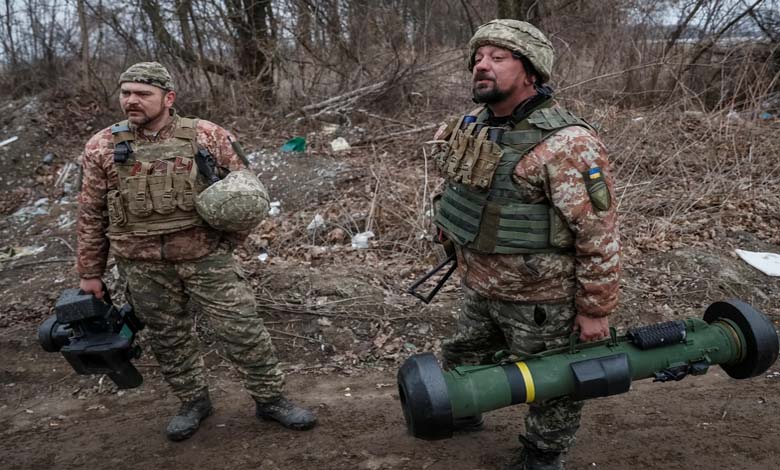
On the fourth anniversary of the war between Russia and Ukraine, the fighting reveals profound shifts in the art of warfare. Heavy artillery, drones, and the struggle for air superiority have imposed new dynamics on modern battlefields.
Although Russia initially expected its “special military operation” to last from three days to two weeks, the war has now continued for four years, with no clear end in sight.
-
Ukraine cannot be divided: UN support for Kyiv on the anniversary of the war
-
Ukraine Confronts Its Fears in the Fifth Year of War: A War of Attrition
The past four years have provided a series of battlefield lessons for both sides, as the conflict represents the largest conventional military confrontation between two states in the twenty-first century.
Many contemporary military planners are closely examining the war in Ukraine to draw lessons for future conflicts, according to the American publication The National Interest, which highlighted several key takeaways from the battlefield.
Artillery remains the “queen” of the battlefield
Artillery has been the deadliest weapon in Ukraine, at times accounting for more than 80 percent of casualties.
Artillery systems, particularly 155 mm howitzers, inflict massive destruction and are essential to both offensive and defensive operations for the warring parties.
At the height of the fighting, Russian and Ukrainian forces were capable of firing thousands of artillery shells per day.
-
The Ukraine War Draws Africans… Gambia Warns Citizens of a Tragic Fate
-
From Russia and Ukraine to Reagan and Gorbachev: the story of a hotel that has brought adversaries together through history
Drones are an effective weapon in modern warfare
Both sides employ drones for combat, intelligence gathering, surveillance, reconnaissance, and resupply.
Reconnaissance drones, which are inexpensive and easily replaceable, have significantly reduced the fog of war along the front line, making it extremely difficult for either side to prepare a large-scale offensive without the other becoming aware and responding.
“Kamikaze” drones in particular have played a major role in inflicting losses on the enemy and have enabled both Russia and Ukraine to conduct long-range strategic strikes.
-
Peace deal and swift elections: outlines of the U.S. plan to resolve the Ukraine crisis
-
Large-scale Russian attack on Ukraine’s energy sector, Poland activates its air defensesAir superiority is decisive in a symmetrical conflict
Despite the critical importance of air superiority on the battlefield, neither Russia nor Ukraine has succeeded in establishing control of the skies, contributing to the slow pace of ground operations.
While few expected Ukraine to dominate the air with its small and aging fighter fleet, Russia’s inability to assert its qualitative and quantitative air superiority has been striking. The Russian air force has failed to penetrate Ukrainian air defenses and cannot operate freely over the battlefield. Consequently, there has been no effective close air support or the kind of precise air strike missions necessary to decisively weaken the opponent.
Ultimately, the future of the conflict remains uncertain. With peace efforts stalled, fighting in Ukraine is likely to continue for an extended period.
-
Ukraine war losses: Zelensky reveals death toll
-
Ukraine peace talks hit by territorial dispute: negotiations without compromise
-
Ukraine abandons a Chinese drone… as a strike hits Zelensky’s hometown
-
Russia strikes Ukraine with Oreshnik in response to an alleged attempt to target Putin’s residence: what is the Oreshnik missile?