Iran opens a energy war front and threatens the world with oil at 200 dollars
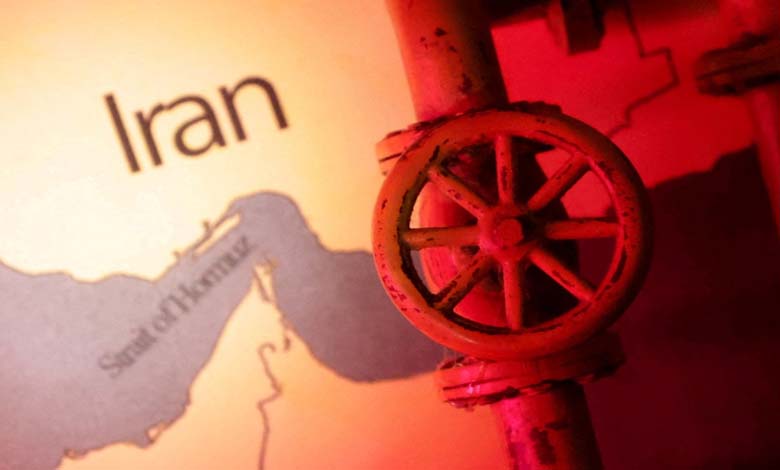
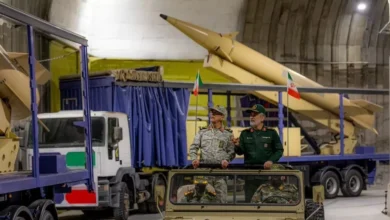
While the United States and Israel are focusing on destroying Iran’s nuclear program and reducing Tehran’s regional influence, Iran appears to be relying on another weapon that is no less powerful than missiles and drones: its ability to disrupt global energy markets.
The escalating conflict between Iran, the United States, and Israel has entered a new and more dangerous phase, as Tehran has moved into what can be described as an “energy war.” Iran has expanded its attacks to include commercial ships and oil tankers in the Gulf and the Strait of Hormuz, raising the threat of a global oil shock that could push crude prices to around 200 dollars per barrel.
-
Iran warns Israel and the United States of “escalation beyond control”
-
Iran war and munitions: $5.6 billion spent in the first two days, laser is the solution
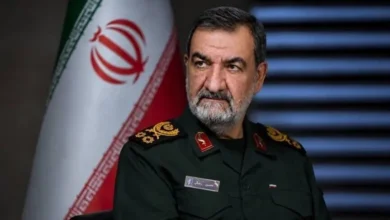
In a clear escalation of economic pressure on the West, Ebrahim Zolfaghari, spokesperson for the Khatam al-Anbiya military headquarters in Tehran, said that the world should prepare for oil prices to reach 200 dollars per barrel, blaming the United States for destabilizing regional security.
In a message directed at Washington, he added that the stability of energy markets is directly linked to security in the region, arguing that U.S. and Israeli military operations against Iran are driving markets toward unprecedented instability.
-
Iran tightens its grip on the streets and escalates nighttime bombardments on multiple fronts
-
Iran’s new supreme leader injured and staying in a heavily fortified location
This threat comes at a time when the military confrontation is increasingly targeting global trade routes and energy supplies, marking a strategic shift from conventional warfare to economic pressure through the disruption of maritime navigation in one of the world’s most important energy corridors.
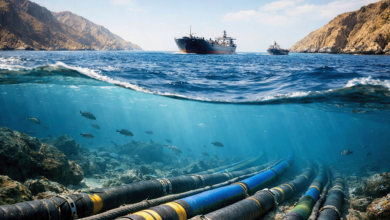
Reports indicate that recent attacks have targeted several commercial ships and oil tankers in the Gulf and the Strait of Hormuz. At least three vessels were struck by unidentified projectiles while crossing the strait. Armed boats loaded with explosives also attacked two oil tankers in waters near Iraq, setting one of them on fire and killing one crew member.
-
The end of the Iran war has not yet come: Israel contradicts Trump’s expectations
-
Fatalities in airstrikes targeting the Popular Mobilization Forces and drone attacks on Erbil
Among the ships targeted was a Thai-flagged cargo vessel that was hit by two projectiles while crossing the Strait of Hormuz, causing a fire in the engine room and forcing the evacuation of most of the crew, while three sailors remain missing and are believed to be trapped inside the vessel. A Japanese-flagged container ship also suffered minor damage after a projectile struck its hull, while another cargo vessel flying the Marshall Islands flag was damaged after being hit in its cargo hold.
These incidents bring the total number of ships attacked since the outbreak of the war about two weeks ago to at least 16 vessels, indicating that Tehran has already begun implementing a strategy aimed at making navigation in the Gulf and the Strait of Hormuz increasingly dangerous.
-
Will Washington and Moscow strike a grand bargain: Iran in exchange for Ukraine?
-
Russia and China back Iran’s new leader as Washington and Tel Aviv issue threats
This development is particularly significant because about 20 percent of the world’s oil passes through the Strait of Hormuz, making it one of the most sensitive maritime chokepoints for the global economy. An Iranian military spokesperson confirmed that the strait is “undoubtedly under Iran’s control,” signaling Tehran’s readiness to use it as a major pressure tool in the confrontation.
Some sources also report that Iran has planted naval mines in the strait, increasing fears that it could effectively close the passage or significantly disrupt maritime traffic for extended periods. This situation has already led to a near halt in commercial shipping, as security risks rise and some shipping companies refuse to send vessels through the region.
-
Russia gains economic and geopolitical advantages from the war against Iran
-
Destination Iran: the United States withdraws thousands of smart bombs from South Korea
The escalation has quickly affected global markets. Oil prices rose to around 120 dollars per barrel at the beginning of the week before falling to about 90 dollars, then climbed again by roughly five percent amid renewed supply concerns. Analysts fear that continued tensions could trigger an oil shock similar to the one experienced in the 1970s.
In an attempt to contain the crisis, the International Energy Agency recommended releasing large volumes from the strategic petroleum reserves of consumer countries, in what would be the largest intervention of its kind in the organization’s history. The plan involves releasing around 400 million barrels from global stockpiles in order to stabilize markets and prevent prices from reaching record levels.
-
Iran after Khamenei: a disoriented regime and a silent struggle over the Supreme Leader
-
Latest news of the war against Iran: Israel attacks 400 targets in 24 hours
The United States quickly supported this approach. U.S. Energy Secretary Chris Wright announced that President Donald Trump had approved the release of 172 million barrels from the U.S. Strategic Petroleum Reserve starting next week, in an operation expected to last about four months.
Despite this, experts believe that these quantities will not be sufficient to compensate for any major disruption in supplies passing through the Strait of Hormuz, since the volume of oil transported through the strait each day far exceeds the amounts that could be released from strategic reserves.
-
Between the palace and the hawks in Iran: a battle of attrition and power
-
The sixth attack since midnight: Israel detects and intercepts an Iranian missile attack
Alongside the maritime escalation, both sides continue exchanging military strikes. Iran has launched missile and drone attacks against Israel and other targets in the Middle East, while the Pentagon says that the United States and Israel have carried out their most intense airstrikes so far against Iranian positions.
For his part, the U.S. president hinted that the war could continue for a longer period, stating during a rally in Kentucky that the United States does not want to end operations before achieving its objectives. He said Washington had “won” the war but did not want to be forced to repeat military operations every few years, adding: “We must finish the mission.”
-
Targeting military infrastructure: a new wave of Israeli airstrikes on Tehran and Isfahan
-
Gulf states intercept dozens of Iranian missiles and drones
At the same time, international concern is growing that the confrontation could escalate into a wider regional war that would threaten the global economy, especially as ports and cities in Gulf countries have been targeted by missile and drone attacks.
These developments have prompted the G7 countries to study the option of providing maritime protection for commercial vessels in the Gulf to ensure the continuity of navigation. Tehran, however, warned that any threat to its ports or maritime facilities would turn the region’s economic and commercial centers into “legitimate targets.”
-
Dispute between the army and the Revolutionary Guard over closing the Strait of Hormuz
-
Intense Israeli airstrikes on Tehran
While the United States and Israel focus on destroying Iran’s nuclear program and limiting Tehran’s regional influence, Iran appears to be relying on another strategic weapon: its ability to disrupt global energy markets. If Tehran succeeds in significantly disrupting oil supplies passing through the Gulf, the world could indeed face an oil shock that might push prices to unprecedented levels.
-
Trump studies Iran’s future after the war and keeps an eye on Khamenei’s successor
-
Could the confrontation between Iran and the United States turn into a war of attrition benefiting China and Russia?