Warnings of the worst energy crisis in decades: the situation in the region is very dangerous
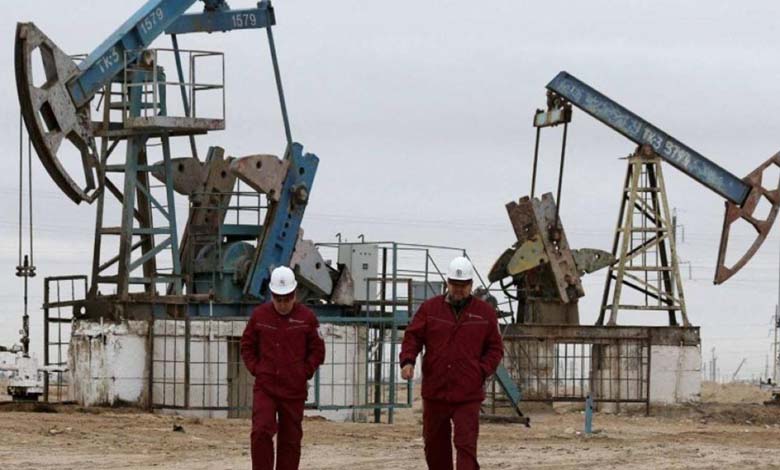
The Executive Director of the International Energy Agency, Fatih Birol, warned on Monday that the world could face the worst energy crisis in decades due to the war in the Middle East, stressing that the situation is “very dangerous.”
Speaking at the National Press Club in Canberra, he said: “So far, we have lost 11 million barrels per day, which is more than what we lost during the two major oil crises combined” in the 1970s.
-
The war on Iran: an unexpected lifeline for Russia
-
Russia gains economic and geopolitical advantages from the war against Iran
He added: “At that time, the world lost about 5 million barrels per day in each of the two crises, totaling 10 million barrels per day when both crises are combined.”
He also referred to the repercussions of the Russia-Ukraine war since 2022, noting that the current crisis “represents, at this stage, two oil crises and a collapse of the gas market.”
He confirmed that at least 40 energy sites have been “severely or very severely” affected in nine Middle Eastern countries due to the war.
-
Intensive Russian strikes paralyze Ukraine… Zelensky appeals to the United States
-
Orechnik: a Russian deterrence message to Europe at 8,000 miles per hour
He stated: “No country will be immune to the effects of this crisis if it continues in this manner. Therefore, it is important to act on a global scale.”
He added: “The global economy is facing a serious threat, and I hope this issue will be resolved as soon as possible.”
Since the outbreak of the war triggered by a U.S.-Israeli attack on Iran on February 28, Tehran has responded by targeting countries in the region and nearly completely closing the Strait of Hormuz, a vital route for Gulf energy exports, which has led to a sharp rise in global oil and gas prices.
-
Russia-Ukraine War: Drones Fly Both Ways amid Shifting Frontline Developments
-
“Shadow War”… Europe Plans an Attack on Russian “Ghosts”
On Sunday, Iran threatened to fully close the strait, a day after U.S. President Donald Trump warned that he would destroy its energy facilities if it was not reopened within two days.
Trump said on his Truth Social platform on Saturday night: “If Iran does not fully reopen the Strait of Hormuz, without any threat, within 48 hours from now, the United States of America will strike and completely destroy all its energy facilities, starting with the largest ones!”
In an attempt to curb rising oil prices, the United States on Friday allowed the sale and delivery of Iranian oil and its derivatives stored aboard tankers for a period of one month. However, Tehran stated that it does not have surplus crude oil at sea.
-
Energy Crisis Threatens Social Unrest in Iran
-
Russia and Ukraine: Will the Third Winter Melt the “Ice of War”?
-
Missile Defense: Iran or Russia? Ukraine Angered by Israel’s “Special Treatment”
-
Successful Emirati Mediations… A Glimmer of Hope Illuminates the Ukrainian Crisis
-
Unprecedented interest in renewable and nuclear energy at the climate conference in Dubai
-
The World Gateway: How Did the Russo-Ukrainian Crisis Impact Navigational Passages in the Black Sea?