Does reducing brushing time increase the risk of cavities and gum disease? A scientific analysis of oral health implications
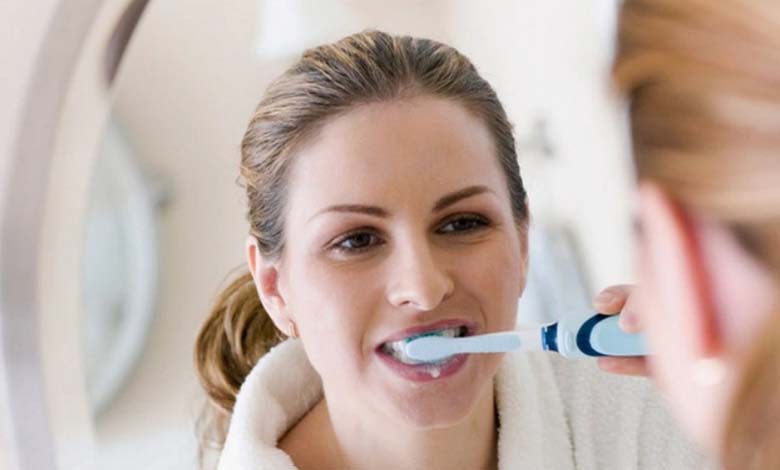
Oral hygiene is a fundamental component of overall health. Tooth brushing, in particular, serves as the primary defense against the accumulation of dental plaque, the main cause of cavities and gum disease. However, in daily routines, the time dedicated to brushing is often insufficient. Can reducing brushing duration truly increase the risk of oral diseases? Scientific evidence suggests that it can, due to well-established biological mechanisms.
Dental plaque: a central factor
Dental plaque is a biofilm composed of bacteria, food residues, and saliva. It continuously forms on tooth surfaces and provides an environment conducive to microbial growth.
When brushing is insufficient, plaque is not effectively removed. It can accumulate and mineralize into tartar, which is more difficult to eliminate without professional care.
Development of cavities
Dental cavities result from the demineralization of enamel caused by acids produced by plaque bacteria. These bacteria metabolize dietary sugars, releasing acids that damage tooth structure.
Short brushing duration does not sufficiently reduce bacterial load or remove food debris, promoting conditions favorable to cavity formation.
Gum diseases
Gum diseases, such as gingivitis and periodontitis, are also linked to plaque accumulation. Poor oral hygiene leads to inflammation of the gums, characterized by redness, swelling, and bleeding.
At advanced stages, inflammation can affect the supporting structures of the teeth, leading to bone loss and, in severe cases, tooth loss.
Importance of brushing duration
International guidelines generally recommend brushing for at least two minutes, twice a day. This duration allows for effective cleaning of all tooth surfaces.
Shorter brushing times may leave certain areas untreated, particularly between teeth and in the back regions, where plaque tends to accumulate.
Quality and technique of brushing
Brushing duration is only one aspect of oral hygiene. Technique is equally important. Effective brushing involves proper movements, full coverage of tooth surfaces, and moderate pressure.
Using an appropriate toothbrush and fluoride toothpaste also helps strengthen enamel and prevent cavities.
Role of fluoride
Fluoride plays a key role in cavity prevention by strengthening enamel and promoting remineralization. However, it must be applied properly and for a sufficient duration to be effective.
Brushing too quickly may reduce the contact time between fluoride and teeth, limiting its protective effects.
Aggravating factors
Certain factors may amplify the effects of inadequate brushing, such as a diet high in sugars, reduced saliva production, or genetic predisposition.
In such cases, adherence to brushing recommendations becomes even more critical.
Long-term consequences
Poor oral hygiene can have effects beyond the mouth. Research suggests links between periodontal disease and systemic conditions, including cardiovascular disorders.
Thus, tooth brushing should not be viewed as a simple routine but as an essential component of overall health.
Strategies for improvement
Improving brushing habits involves adopting consistent routines, using appropriate tools, and seeking regular dental check-ups.
Education on oral hygiene from an early age also plays a crucial role in disease prevention.
Conclusion
Reducing brushing time compromises the effective removal of dental plaque, increasing the risk of cavities and gum disease. Adequate duration, combined with proper technique, is essential for prevention.
Maintaining rigorous oral hygiene not only preserves dental and gum health but also contributes to overall well-being.