Trump: Iran faces financial collapse due to the blockade
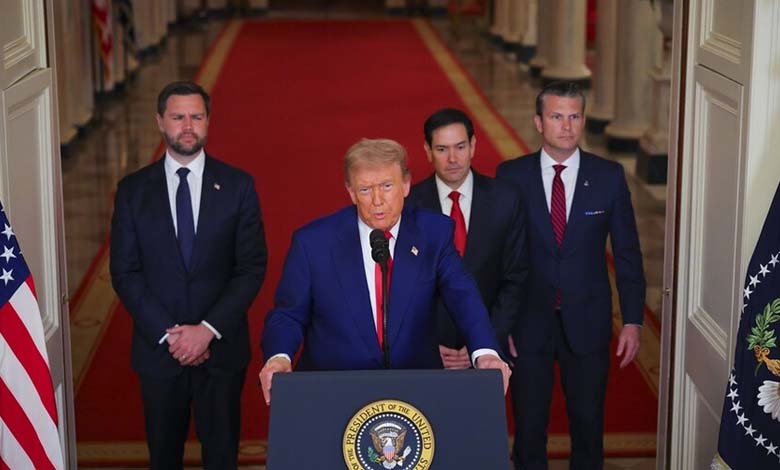
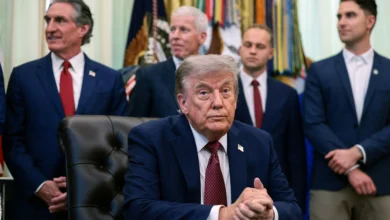
US President Donald Trump stated that Iran is suffering from a liquidity shortage and is losing 500 million dollars per day because of the closure of the Strait of Hormuz.
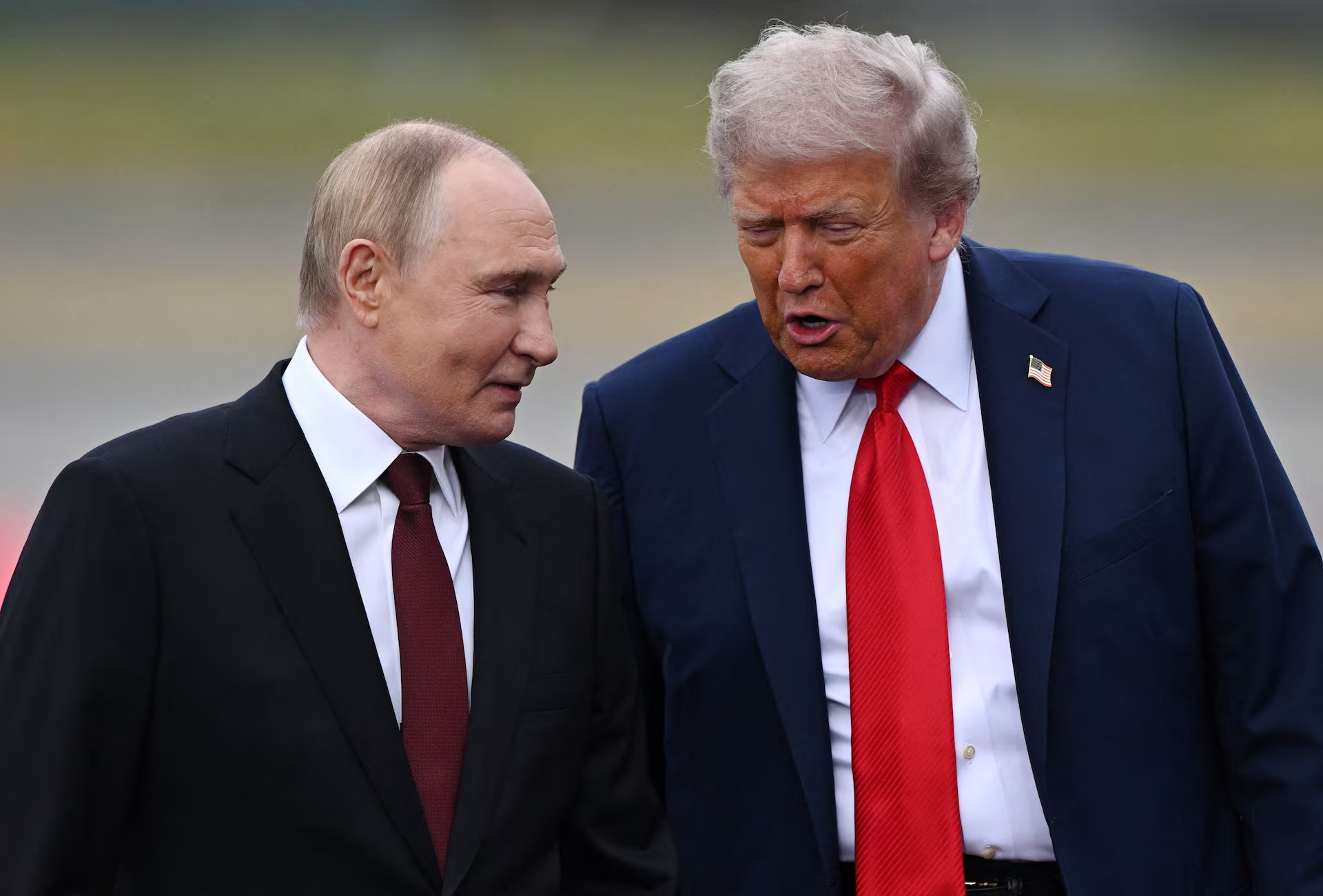
On Tuesday evening, in a post on the Truth Social platform, Trump said that Tehran is “financially collapsing” and does not want the Strait of Hormuz to remain closed because it is losing 500 million dollars per day. He added that Iran is experiencing a severe liquidity shortage and that “soldiers and police in Iran are complaining about not receiving their salaries.” Washington, for its part, is relying on damaging the Iranian economy through the maritime blockade in order to force it to accept American conditions in negotiations or face severe internal consequences.
-
Tehran proposes a collective security system without the United States and Israel
-
Iran warns Israel and the United States of “escalation beyond control”
In another post, the US president stated that Tehran wants to close the Strait of Hormuz “to save face” in light of the ongoing American blockade, noting that the Iranian authorities feel the scale of the pressure exerted on them.
Iranian ports are experiencing increasing pressure due to tighter restrictions on maritime navigation and insurance, which is affecting trade, oil, and the country’s supply chains amid rising regional tensions.
The impact is clearly visible in a partial paralysis of port activity, as tightening restrictions on ships and maritime shipping leads to a decline in the entry of foreign vessels into Iranian ports. This results in a noticeable decrease in container traffic and commercial freight, as well as delays in unloading and export operations at major ports such as Bandar Abbas, one of the country’s most important maritime hubs.
-
Hormuz and the nuclear issue: Iranian blackmail threatens the fragile truce
-
Intensive U.S.–Israeli coordination: plans ready to strike Iranian infrastructure
The oil sector is also under direct pressure, as Iran faces growing difficulties in exporting crude oil normally, forcing it to rely on unofficial or undeclared transport networks. This situation affects the stability of oil revenues, which become more vulnerable to fluctuations due to increased risks related to shipping and insurance.
The repercussions extend to supply chains, as restrictions cause delays in the arrival of essential goods and industrial materials, in addition to higher import costs due to increased maritime risks. Regional shipping through the Gulf and the Sea of Oman is also affected, adding further complexity to trade movement in the region.
Maritime pressure is reflected in the domestic economy through a decline in the inflow of foreign currency, increasing pressure on the Iranian rial and leading to higher prices for imported goods in the local market.
-
Washington and Tel Aviv are preparing for a collapse of the truce by defining an Iranian target bank
-
An international initiative led by France and the United Kingdom to reopen the Strait of Hormuz
These restrictions also encourage the expansion of informal trade channels, with maritime smuggling networks or undeclared transport becoming more active, relying on intermediaries and third countries to re-export certain goods, making it more difficult to monitor the movement of ships and cargo.
This escalation carries a clear political dimension: the objective is not limited to economic pressure, but also aims to send a deterrent message to Tehran during periods of negotiation or de-escalation by demonstrating the ability to escalate rapidly and testing the resilience of the Iranian regime in dealing with overlapping crises.
The United States and Israel launched a war against Iran on February 28, which resulted in more than 3,000 deaths. On April 8, Washington and Tehran announced a two-week truce mediated by Pakistan, in the hope of reaching an agreement to end the war.
-
Trump keeps Iran under pressure and anticipates an imminent end to the war
-
The United States expands its deterrence equation against Iran… historic defense budget and accelerated military production
In the early hours of April 8, Washington and Tehran officially announced the two-week truce. On April 11, the Pakistani capital Islamabad hosted a round of talks between the two sides, without reaching an agreement.
On Tuesday, Trump announced the extension of the truce with Iran at Pakistan’s request, pending Tehran’s submission of its proposal, without specifying a time frame.
In parallel with these developments, Iranian media reported that Tehran’s delegation will not sit at the negotiating table until the US fleet lifts the maritime blockade of the Strait of Hormuz.
-
Advanced techniques and striking power: how the United States besieges Iran and clears the Strait of Hormuz
-
Merope: The United States deploys the largest counter-drone system in the Middle East