Alerts and evacuations in southern Lebanon… Hezbollah stronghold under fire
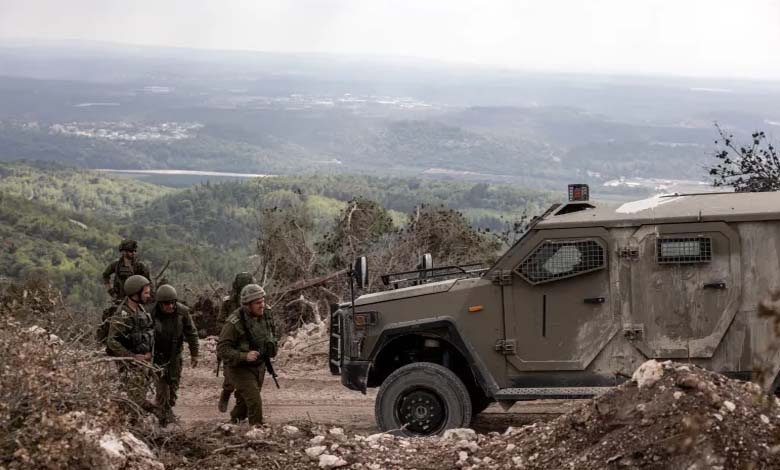
The southern Lebanon front is witnessing an escalation in confrontations with Hezbollah, amid direct Israeli warnings to residents and accelerated military movements.
This comes in parallel with international warnings about the collapse of the ceasefire and the widening of the conflict.
Widespread evacuation alerts
The spokesperson for the Israeli army, Avichay Adraee, issued urgent warnings to residents of a large number of southern towns, including Qaqqaiyat al-Jisr, Adchit al-Chqif, Jibchit, Aabba, Kfarjouz, Harouf, Doueir, Deir al-Zahrani, and Habboush.
He called on residents to immediately evacuate their homes and move at least one thousand meters toward open areas, warning that any presence near Hezbollah sites or military infrastructure could expose civilians to direct danger.
According to the Israeli army, this warning is based on what it describes as “Hezbollah’s violation of the ceasefire agreement,” meaning that the next phase may witness broader and deeper military operations inside southern areas.
A heated front despite the calm
Alongside these warnings, the Israeli army announced that its air force intercepted four “suspicious” aerial targets before they entered the airspace, in addition to intercepting rockets near Kiryat Shmona.
These operations reflect the continuation of an indirect state of confrontation, where airstrikes overlap with defensive interceptions, illustrating a “fragile truce” that remains vulnerable to collapse at any moment.
Growing international movement
Internationally, China expressed concern over the deteriorating situation and called for reconsidering the decision to end the mission of the United Nations Interim Force in Lebanon.
It stated that the current situation does not represent a real ceasefire but rather a relative slowdown in the pace of shelling, emphasizing the need to halt Israeli military operations.
It also noted that the majority of members of the UN Security Council believe the time is not appropriate to end the UN force’s mission given the ongoing tensions.
The United Nations is preparing to present new options in June regarding the future of the United Nations Interim Force in Lebanon and the implementation of Resolution 1701 in light of the complex security environment.
This step indicates an international recognition that ending the mission under current circumstances could worsen the situation rather than contain it.
Heavy losses and widespread destruction
Since the outbreak of confrontations in March, more than 2,500 people have been killed in Lebanon as a result of Israeli strikes, amid widespread destruction of infrastructure, especially in the south.
Israel says its operations aim to stop Hezbollah’s attacks, while warnings are increasing that continuing on this path could lead to a broader confrontation that would be difficult to contain.