Houthis signal support for Tehran in case of confrontation with Washington
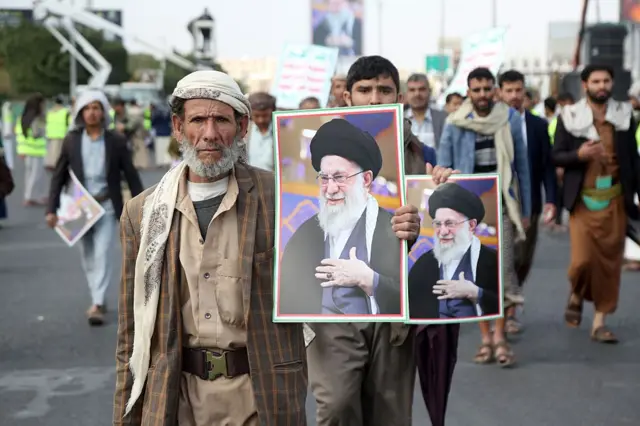
The Yemeni group did not take part extensively in the latest phase of the war between the United States and Iran, but the likelihood of its involvement in any future confrontation remains high.
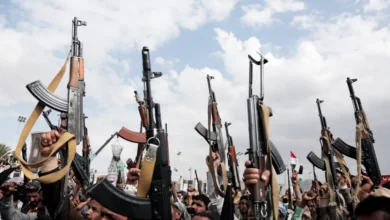
The leader of the Houthis in Yemen, Abdelmalek al-Houthi, said the movement is militarily ready for any escalation that the United States may launch against Iran, suggesting that the group, which largely stayed on the sidelines of the previous round of conflict, could this time take a more active and effective role.
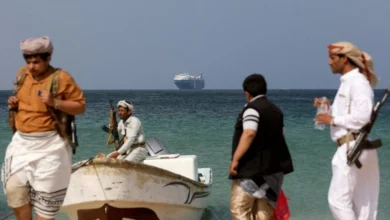
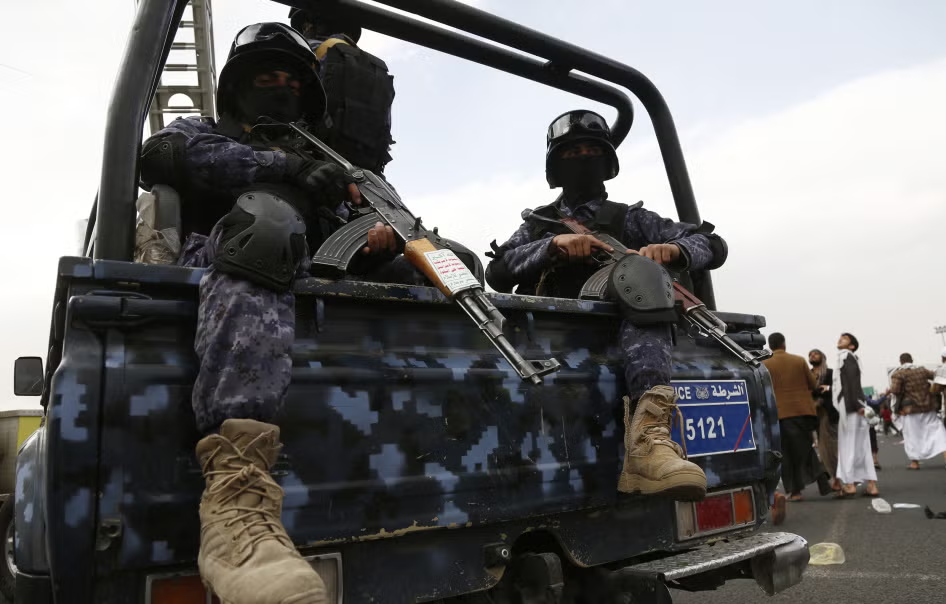
Despite limited involvement in the latest US-Iran tensions, apart from some missile attacks on Israel, the possibility of Houthi engagement in a future conflict remains strong due to their political and military alliance with Iran, as well as their strategic position overlooking the Red Sea and the Bab el-Mandeb Strait.
The group has demonstrated in recent years its ability to disrupt international shipping and target regional and global interests using missiles and drones, making it a key instrument within Iran’s regional influence network. Any major escalation between Washington and Tehran could therefore lead to direct or indirect Houthi involvement, including maritime operations or attacks against US allies in the Gulf.
On Monday evening, US President Donald Trump made statements marking an escalation against Iran, saying he had suspended a planned attack on Tuesday at the request of regional leaders.
In a post on Truth Social, he said he had instructed the Pentagon to prepare for a “massive and wide-ranging” strike on Iran if no acceptable agreement is reached.
Abdelmalek al-Houthi said in a televised speech broadcast by Al-Masirah TV that the United States “does not honour its commitments” and is moving towards a blockade of Iranian ports, with global economic consequences.
He added that Washington prioritises Israel above all else and pointed to signs of US preparations for escalation after the failure of previous negotiations, warning that any new escalation would have serious consequences for the region.
The Houthis say they are ready for all political and military developments.
They are considered a key pillar of Iran’s so-called “Axis of Resistance”, alongside Hezbollah in Lebanon and Hamas in Palestine.
Following the collapse of negotiations with Iran, the United States has imposed a blockade on Iranian ports, including those on the strategic Strait of Hormuz, which is vital for global energy supplies.
Iran responded by restricting the passage of ships through the strait without prior coordination.
On 28 February, the United States and Israel launched a war against Iran, which, according to Tehran, has caused more than 3,000 deaths, with Iran carrying out retaliatory strikes against US and Israeli interests.
Iran has also targeted US bases in several Arab countries, actions which have been condemned by multiple states.