Israel Expands Its Aerial Refueling Fleet for Deeper Missions, With Iran and Yemen in Focus
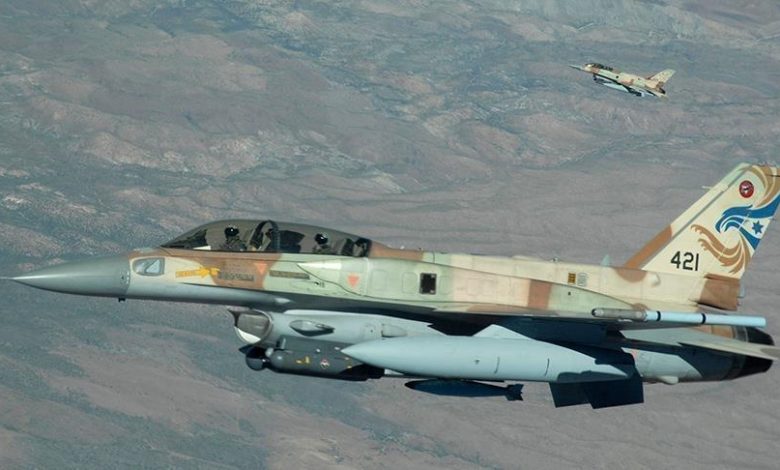
With Israel receiving its first American-made KC-46 aerial refueling aircraft on Wednesday, the Israeli Air Force has gained what was described as a “major upgrade in capabilities” in the field of airborne refueling.
-
The Israeli army may lose its battle with itself!
-
Aircraft from the Vietnam War era: Iran’s air force as a strategic weakness
According to the Foundation for Defense of Democracies, the development comes at the right time for Tel Aviv, stressing that the U.S. Department of Defense (the Pentagon) should not stop at what has already been achieved, but should instead consider smart new ideas to enable Israel’s aerial refueling fleet to grow over the coming years.
Israel’s current inventory of refueling aircraft consists of only seven Boeing 707 “Re’em” planes. These aircraft were originally commercial civilian planes, which Israel began acquiring and modifying for aerial refueling purposes in 1979. It is believed that these planes are now nearly as old as the parents of some of the Israeli pilots flying them today.
-
Targeting military infrastructure: a new wave of Israeli airstrikes on Tehran and Isfahan
-
Second Aircraft Carrier Headed to the Middle East… U.S. Pressure Ahead of a Decision on Iran
Military deals
After the United States approved in 2020 the sale of up to eight KC-46A aircraft to Israel, Israel signed a contract in 2022 to purchase four aircraft, then bought two additional planes in August 2025. The latest deal cost approximately $500 million, “funded through American aid,” referring to Washington’s annual foreign military financing package for Israel. Two aircraft are expected to be delivered in 2026 and another two in 2027.
No official decision has yet been made regarding the seventh and eighth KC-46 aircraft that Israel may request in the future. Israeli defense budgets and U.S. military financing decisions may play a role in determining when — or whether — those purchases will ultimately move forward.
-
The specter of an Israeli invasion looms over southern Lebanon
-
Advanced Israeli-American consultations on an independent Palestinian government in Gaza
Israel’s aerial refueling capabilities are particularly important because, while threats from Hezbollah and Hamas lie along Israel’s immediate borders, conflicts involving Iran and the Houthi militias in Yemen require aerial refueling to conduct operations effectively.
The Israeli Air Force has struck targets in Yemen located 1,800 kilometers from Israel, while distances to targets inside Iran ranged between 1,500 and 2,300 kilometers in the eastern parts of the country, according to the Foundation for Defense of Democracies.
-
Gaza hospitals face severe shortages of medical supplies as Israeli attacks continue
-
October 7 Failure: a wave of dismissals and reprimands led by the Israeli army
Iran and Yemen in focus
During the recent confrontations with Iran, the Israeli Air Force carried out hundreds of aerial refueling missions during the twelve-day war, and nearly 2,000 operations during the first six weeks of the latest conflict. American refueling aircraft helped support Israeli jets during those operations, but Israel needs to strengthen its independent capabilities, as U.S. assets may not always be available during emergencies.
In addition, Israel is expanding its fighter fleet after recently approving the purchase of an additional squadron of F-35I aircraft and a squadron of F-15IA aircraft on May 2. The KC-46 will be capable of refueling Israel’s entire fleet of fourth- and fifth-generation fighter jets and will also be interoperable with American and allied aircraft.
-
A mysterious forced journey reignites European concerns over the displacement of Palestinians
-
A Rocket Attack Shakes Damascus as Israeli Denial Deepens the Mystery
It is likely that six KC-46 aircraft will not be sufficient to meet Israel’s aerial refueling needs after the retirement of its current fleet and in the event that Israel operates without American support. Therefore, following the conclusion of a major air campaign and the reduction of the Iranian threat, this appears to be the right time to consider how to further develop Israel’s tanker fleet.
U.S.-Israeli cooperation
Although the most obvious solution is to “purchase more refueling aircraft,” there are other ways through which Israel and the United States could reduce risks, including:
-
The International Force in Gaza: Cautious Concessions Open a Window for Consensus
-
War fatigue and internal pressure: Israel begins reducing its reserve forces
First, both countries should expand cooperation to train more maintenance personnel, crew chiefs, and pilots to operate the incoming Israeli KC-46 aircraft, enabling them to gain the necessary operational experience.
Once Israeli personnel receive this training, Washington and Tel Aviv should use the U.S. Air Force military exchange program to place Israeli personnel within U.S. Air Force units. This would help them maintain and refine their skills until additional KC-46 aircraft are delivered. With only one aircraft expected to arrive in the near future, allowing training on American aircraft would significantly accelerate the number of qualified pilots and crew members. This experience would also help build important professional relationships and strengthen interoperability with their American counterparts.
-
Secret U.S. Report: Hundreds of Israeli Violations in Gaza Under Investigation
-
Israeli raids on Gaza: the heaviest loss of life in a single night since the ceasefire