Japan Overcomes the Fukushima Disaster Phobia Under the Pressure of the Need for Stable Energy
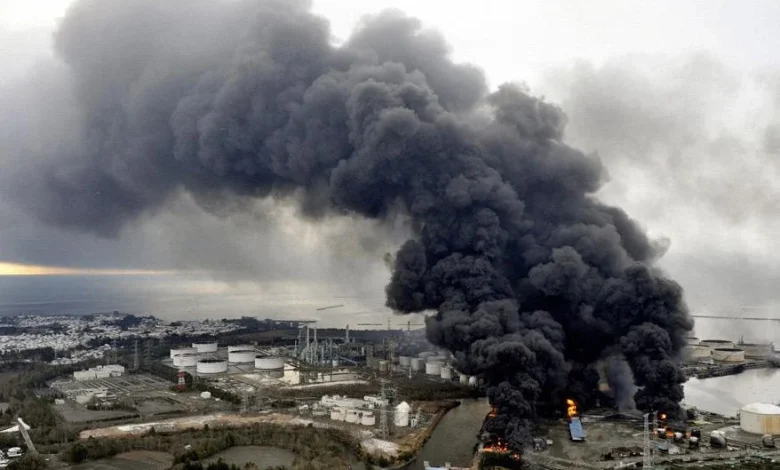
Driven by the urgent need to secure a stable and affordable electricity supply, Japan is confronting the lingering fear associated with the Fukushima nuclear disaster.
-
Two serious incidents: Japan protests China’s use of fire-control radar
-
Facing China and U.S. Ambiguity.. Japan Rebuilds Its Military Power
According to a draft policy set to be presented on Friday, as reported by Japan’s public broadcaster, the country plans to rebuild between two and five aging nuclear reactors by the 2040s and between eleven and fourteen reactors by the 2050s as part of its efforts to ensure a stable electricity supply.
The proposal, which will be presented by the Ministry of Economy, Trade and Industry during a meeting on nuclear policy, reflects a shift toward greater reliance on nuclear energy to help meet rising electricity demand and reduce costly fuel imports.
Japan shut down all fifty-four of its operating nuclear reactors following the Fukushima nuclear disaster in 2011 because of public concerns regarding safety standards in the sector. Of the thirty-three units considered eligible for restart, only fifteen have resumed operations so far.
-
Japan Doubles Shelters… Preparing for World War III?
-
Unidentified Ballistic Missile: North Korea Launches New Missile Toward the Sea of Japan
The Shadow of the Disaster
On March 11, 2011, a massive earthquake measuring 9.0 on the Richter scale struck the northeastern coast of Japan.
The powerful earthquake triggered devastating tsunami waves that inundated the Fukushima Daiichi Nuclear Power Plant, causing a complete loss of electrical power and backup cooling systems.
The resulting failure led to the meltdown of three reactor cores and hydrogen explosions that caused significant radioactive leakage. The event was classified as the most severe nuclear disaster in the world since the Chernobyl accident in 1986. More than 150,000 residents were evacuated, while environmental and economic consequences continue to persist through abandoned towns and ongoing concerns regarding treated radioactive water.
-
World War II Deception: A Japanese Military Ship in the California Desert
-
The Japanese Organization “Nihon Hidankyo” Wins the Nobel Peace Prize
A Complex Crisis
Faced with growing pressure to secure reliable energy sources, Japan recognizes that it faces two major challenges. The first is convincing the public of the need to reconsider the country’s nuclear energy policy. The second is the necessity of rebuilding or replacing aging reactors.
Last year, Tokyo revised its basic energy strategy to maximize the use of nuclear power. However, many reactors are approaching or exceeding their sixty-year operational lifespan, raising concerns about a future decline in nuclear generating capacity even if the country continues restarting previously idle facilities.
These measures also come at a time when electricity demand is expected to rise sharply, driven largely by the growing needs of artificial intelligence data centers.
-
With sanctions.. Japan combats Israeli settlers’ violence
-
Japan Launches Rocket Carrying a Lunar Landing Vehicle
An Additional Factor
The crisis in the Strait of Hormuz, which Iran has kept closed since last February amid its conflict with the United States, has further intensified Japan’s energy challenges.
Japan is among the economies most dependent on the Strait of Hormuz to meet its energy requirements, importing between 90 and 93 percent of its total crude oil supplies through this strategic maritime route.
Under its current energy plan, Japan aims to increase the share of nuclear power in its electricity generation mix to approximately 20 percent by fiscal year 2040, up from 9.4 percent in fiscal year 2024.
-
Japan – Former Prime Minister Shinzo Abe assassinated while giving speech
-
Rare Visit to a Close Ally: Xi to Be Hosted by Kim After Seven Years