What happens to your blood pressure when you eat whole wheat bread?
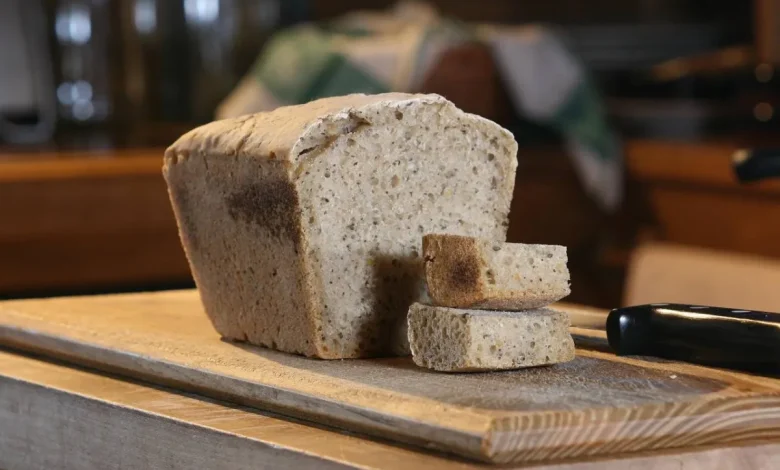
Bread is one of the most widely consumed foods in the world. However, not all breads have the same effects on cardiovascular health. In recent years, researchers have become increasingly interested in whole wheat bread and its potential influence on blood pressure. Unlike refined white bread, bread made from whole wheat retains more parts of the grain, including the bran and germ, which are rich in fiber, vitamins, minerals, and beneficial plant compounds.
Many studies suggest that a diet rich in whole grains may contribute to better cardiovascular health, particularly through possible effects on blood pressure, blood sugar regulation, and chronic inflammation. However, these effects also depend on overall lifestyle, the nutritional quality of the bread consumed, and the quantity eaten.
-
How does sodium increase the risk of high blood pressure? Understanding physiological mechanisms and health implications
-
Green salt or regular salt: which is better for lowering blood pressure?
Understanding blood pressure
Blood pressure refers to the force exerted by blood against the walls of the arteries.
It naturally varies according to physical activity, stress, diet, and overall health status.
Why are doctors concerned about hypertension?
High blood pressure increases the risk of cardiovascular disease, stroke, kidney failure, and other chronic complications.
It often develops silently over many years.
What is whole wheat bread?
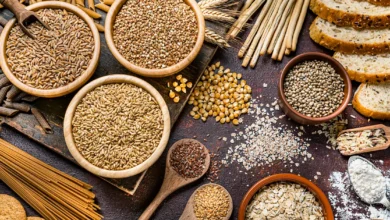
Whole wheat bread is made from flour containing the entire wheat grain: bran, germ, and endosperm.
This composition distinguishes it from refined white bread.
-
Kefir: potential benefits for cardiovascular health and blood pressure regulation
-
Can turmeric lower blood pressure? A scientific perspective and expert insights
The difference between white bread and whole wheat bread
Refining removes a large portion of the fiber and certain nutrients naturally present in grains.
Whole wheat bread retains more nutritional components.
The role of dietary fiber
Fiber plays an essential role in digestive and metabolic health.
It also slows carbohydrate absorption and promotes better blood sugar regulation.
How does fiber influence blood pressure?
Some research suggests that a fiber-rich diet may contribute to improved vascular health and a slight reduction in blood pressure.
The mechanisms remain complex and multifactorial.
-
Three effective ways to control blood pressure: scientific approaches and sustainable strategies
-
How does high blood pressure silently damage the kidneys?
Potassium: an important mineral
Whole wheat bread generally contains more potassium than refined grain products.
Potassium helps regulate blood pressure by assisting the body in balancing sodium levels.
The importance of magnesium
Magnesium found in whole grains also plays a role in muscular and vascular function.
Adequate intake is associated with better cardiovascular health.
Effects on blood sugar
Whole wheat bread often has a more moderate glycemic impact than white bread.
Better blood sugar stability indirectly supports cardiovascular health.
-
How Fat Loss Affects Blood Pressure and the Immune System
-
Should People with High Blood Pressure Stop Drinking Coffee?
Whole grains and inflammation
Some studies associate whole grains with reduced chronic inflammatory markers.
Long-term inflammation is involved in several cardiovascular diseases.
Gut microbiota and vascular health
The fibers in whole wheat bread nourish beneficial intestinal bacteria.
The microbiota also influences metabolism and cardiovascular health.
The role of sodium in bread
Even whole wheat bread may contain significant amounts of salt depending on industrial recipes.
Excess sodium remains one of the main factors associated with hypertension.
-
High blood pressure and poor sleep slow down the brain’s natural cleansing process
-
A Handful of Almonds a Day: A Natural Ally for Blood Pressure, Sugar, and Triglycerides
Not all whole wheat breads are equal
Some products marketed as “whole grain” still contain refined flour or large amounts of additives.
Reading nutrition labels remains essential.
The importance of overall diet
No single food alone determines cardiovascular health.
The benefits of whole wheat bread depend on overall lifestyle and other dietary habits.
Physical activity and blood pressure
Regular exercise strongly contributes to maintaining balanced blood pressure.
Diet and physical activity work together.
-
Study: Controlling Blood Pressure Protects Against Dementia
-
The DASH Diet: A Science-Backed Strategy to Lower Blood Pressure and Boost Heart Health
Body weight and vascular health
Maintaining a stable and healthy body weight also influences blood pressure.
Whole grains may contribute to better satiety.
Nutritional recommendations
Many health organizations recommend increasing whole grain consumption as part of a balanced diet.
This strategy forms part of overall cardiovascular prevention.
The limits of nutritional studies
Researchers emphasize that nutrition studies remain complex.
Observed effects often depend on many lifestyle-related factors.
-
Drinking Pomegranate Juice Daily: A Natural Ally for Heart Health and Blood Pressure Regulation
-
Effective Methods to Control Cortisol and Lower Blood Pressure
The role of industrial processing
Some highly processed industrial breads may contain added sugars, preservatives, or excessive sodium.
The quality of the final product therefore remains important.
Whole wheat bread in the Mediterranean diet
The Mediterranean diet, often associated with improved cardiovascular health, frequently includes whole grains.
The overall dietary pattern plays a protective role.
-
Bananas and Potassium Sources: An Effective Alternative to Lower Blood Pressure
-
Exercising at a Certain Age Protects Against High Blood Pressure
Consuming whole wheat bread may contribute to better cardiovascular health thanks to its richness in fiber, minerals, and beneficial plant compounds. Several studies suggest that it may help maintain healthier blood pressure levels, particularly when it replaces refined grain products within a varied and balanced diet.
However, the effects on blood pressure also depend on many other factors, including overall sodium intake, physical activity, body weight, and overall dietary quality. Choosing minimally processed products made with genuine whole grains remains the most beneficial approach for long-term cardiovascular health.