Popular foods to avoid combining with avocado to reduce certain health risks
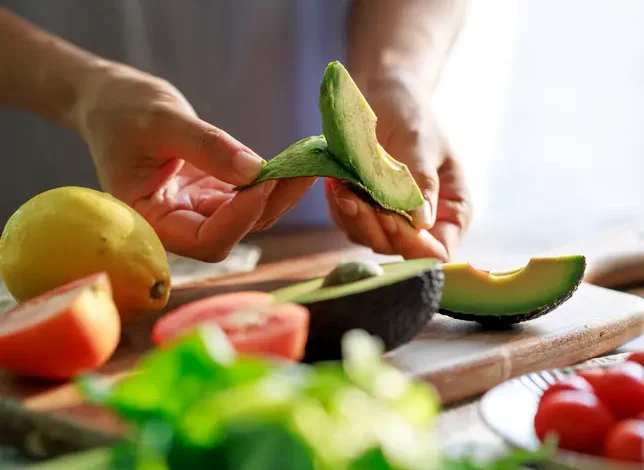
Avocado is often described as a highly beneficial food because of its richness in unsaturated fats, fiber, potassium, and antioxidants. Extremely popular in modern diets, it is frequently added to salads, sandwiches, smoothies, and so-called “healthy” meals. However, despite its many nutritional benefits, some specialists point out that combining avocado with certain foods or dietary habits may sometimes create problems in specific situations. These risks do not necessarily concern everyone, but they may become important for individuals with digestive, cardiovascular, metabolic, or kidney conditions.
The goal is not to portray avocado as unhealthy, but rather to understand how certain food combinations may influence digestion, calorie balance, and biological functions.
Avocado: a nutrient-rich fruit
Avocado mainly contains monounsaturated fats, fiber, vitamins, and several essential minerals.
It is often associated with better cardiovascular health when consumed in moderation.
Why is avocado considered healthy?
The fats found in avocado contribute to satiety and support proper cellular function.
It also contains antioxidants beneficial to the body.
The issue of excess calories
Despite its nutritional qualities, avocado remains relatively high in calories.
When combined with other high-fat foods, it may contribute to excessive energy intake.
Avocado and fried foods
Combining avocado with fried or heavily processed foods may significantly increase fat and calorie intake.
This combination may become problematic when consumed frequently.
Industrial sauces high in salt
Avocado-based dishes are sometimes accompanied by highly salty sauces.
Excess sodium may negatively affect cardiovascular health and blood pressure.
Avocado and processed meats
Sandwiches containing avocado and processed meats may combine excess salt, saturated fat, and calories.
Processed meats are already associated with certain health risks when consumed excessively.
The importance of portion control
Even healthy foods may become problematic when consumed in very large amounts.
Moderation remains essential.
People with kidney disease
Avocado contains significant amounts of potassium.
In individuals with advanced kidney disease, excessive potassium intake may represent a medical risk.
Avocado and other potassium-rich foods
Combining large amounts of avocado with other potassium-rich foods, such as certain bananas or salt substitutes, may create problems for vulnerable individuals.
However, this does not concern most healthy people.
Possible medication interactions
The nutritional richness of certain foods may sometimes influence medical treatments.
People under specific medical supervision may need to adapt their diet according to professional recommendations.
Avocado and digestion
Because of its fiber and fat content, avocado may slow digestion in some sensitive individuals.
When combined with very heavy meals, it may increase digestive discomfort.
Ultra-processed foods
Nutritional problems often arise more from the ultra-processed foods accompanying avocado than from the avocado itself.
Excess sugars, salt, and industrial fats play a major role.
High-calorie smoothies
Some avocado smoothies also contain added sugars, syrups, and extremely calorie-dense ingredients.
This may rapidly increase daily energy intake.
The myth of “completely healthy” foods
No food is automatically beneficial in all situations and at all quantities.
Overall dietary balance remains the most important factor.
Avocado and allergies
Some individuals are allergic to avocado, sometimes as part of latex-fruit syndrome.
Allergic reactions may then occur after consumption.
Digestive issues in sensitive individuals
People suffering from irritable bowel syndrome may sometimes react to certain avocado components.
Responses vary greatly from one individual to another.
The importance of dietary diversity
A balanced diet relies on variety rather than a single “miracle” food.
Excessive consumption of certain products, even healthy ones, may disrupt overall nutritional balance.
Social media and dietary trends
Social media often presents avocado as a universal symbol of health.
However, nutritional needs differ depending on age, physical activity, and medical condition.
The role of physical activity
The caloric impact of certain foods also depends on overall lifestyle and activity level.
Overall energy balance remains essential.
Specialists’ recommendations
Nutritionists generally recommend incorporating avocado into a varied diet rich in fruits, vegetables, whole grains, and balanced protein sources.
The overall quality of the diet remains the priority.
Conclusion
Avocado remains a nutritious food with many potential benefits for cardiovascular and metabolic health. However, certain food combinations — especially with fried, ultra-processed, heavily salted, or extremely calorie-dense foods — may reduce its nutritional advantages and contribute to health imbalances.
For some individuals with kidney disease, digestive disorders, or specific allergies, additional caution may also be necessary. As with most foods, moderation, dietary diversity, and overall balance remain the most important principles for maintaining long-term health.