How Does Mental Health Affect Oral Health?
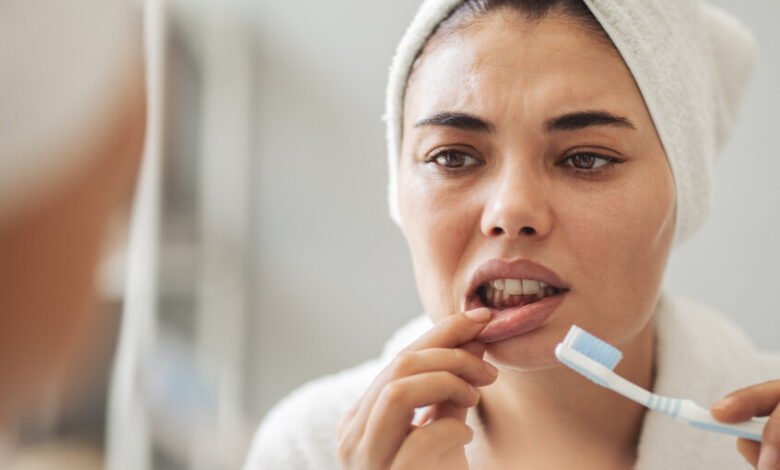
Mental health and oral health are closely interconnected. While healthy teeth and gums depend largely on daily oral hygiene habits, psychological well-being also plays a significant role. Stress, anxiety, depression, and other mental health conditions can directly and indirectly influence oral health, increasing the risk of cavities, gum disease, and other dental problems.
Chronic stress triggers the release of cortisol, a hormone that can weaken the immune system when its levels remain elevated for prolonged periods. A weakened immune response makes the gums more vulnerable to inflammation and bacterial infections that contribute to periodontal disease.
One of the most common oral effects of stress is bruxism, the involuntary clenching or grinding of teeth, often during sleep. Over time, bruxism can wear down tooth enamel, cause tooth fractures, increase tooth sensitivity, produce jaw pain, and contribute to disorders of the temporomandibular joint (TMJ).
Mental health disorders can also affect oral hygiene routines. Individuals experiencing depression or severe anxiety may find it difficult to brush and floss regularly or attend routine dental appointments. As oral hygiene declines, dental plaque accumulates more easily, increasing the likelihood of tooth decay and gum disease.
Psychological stress may also influence both the quantity and composition of saliva. Some individuals develop dry mouth due to stress or anxiety. Saliva plays a vital role in neutralizing acids, protecting tooth enamel, and controlling bacterial growth. Reduced saliva production therefore increases the risk of cavities, bad breath, and oral infections.
Emotional well-being can also affect eating habits. During periods of stress or emotional distress, some people consume more sugary foods and sweetened beverages, while others lose their appetite. These dietary changes may disrupt the balance of the oral microbiome and contribute to the development of dental diseases.
In addition, certain medications prescribed to treat depression, anxiety, or other psychiatric disorders may cause dry mouth as a side effect. Regular dental check-ups, adequate hydration, and appropriate oral care can help reduce the impact of these medication-related effects.
The relationship between mental and oral health is bidirectional. Chronic tooth pain, tooth loss, or significant cosmetic dental problems can negatively affect self-confidence, increase social isolation, and worsen symptoms of anxiety or depression, creating a cycle that impacts overall well-being.
Healthcare professionals recommend a comprehensive approach that combines good oral hygiene, a balanced diet, regular dental examinations, effective stress management, regular physical activity, and sufficient sleep. When psychological difficulties persist, seeking support from a qualified mental health professional may also improve oral health outcomes.
In conclusion, caring for mental health benefits far more than emotional well-being alone. Maintaining good psychological health supports healthier teeth and gums, while protecting oral health can, in turn, contribute to greater confidence, improved quality of life, and better overall physical and mental health.