Bean Sprouts: Multiple Health Benefits for Your Body When Consumed Regularly
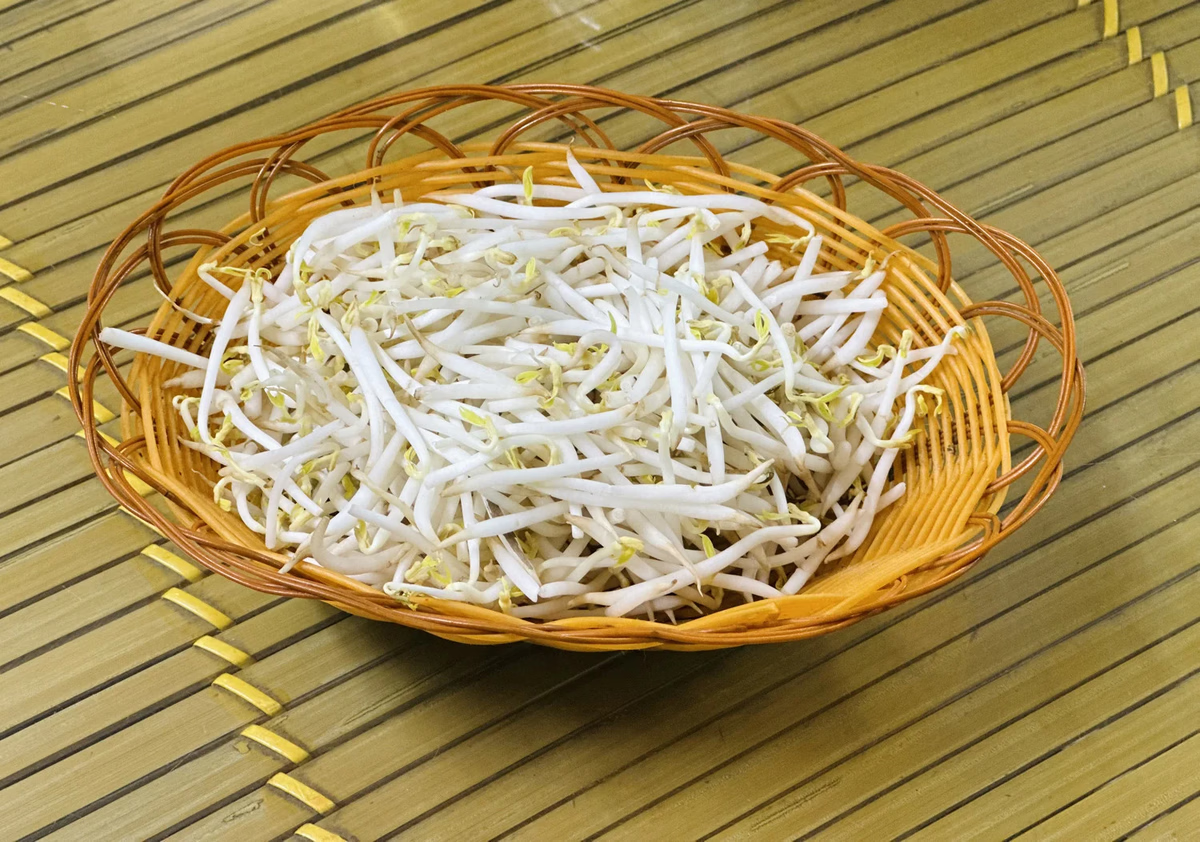
Bean sprouts, also known as sprouted legumes, have been an important part of culinary traditions around the world for centuries. Valued for their crisp texture and delicate flavor, they are now attracting increasing attention from nutritionists and researchers because of their impressive nutritional profile.
Produced through the germination of seeds, bean sprouts undergo biological transformations that alter their nutritional composition and often increase the availability of certain nutrients. This process makes them a particularly valuable addition to a balanced and diverse diet.
A growing body of scientific evidence suggests that regular consumption of bean sprouts may support cardiovascular health, weight management, digestive function, and cellular protection against oxidative stress.
-
The type of foods that are difficult to digest
-
Top 10 high fiber foods for effective and lasting weight loss
What are bean sprouts?
Germination is a natural process during which a seed begins to develop into a plant.
When beans are exposed to appropriate moisture and temperature conditions, they produce young shoots rich in nutrients.
The most commonly consumed sprouts come from:
- mung beans;
- soybeans;
- lentils;
- peas;
- various other legumes.
During germination, numerous enzymatic reactions occur, significantly modifying the seed’s nutritional characteristics.
-
5 Health Benefits of Adding Honey to a Cup of Tea
-
Sleeping without a pillow: unexpected health benefits or a practice to approach with caution?
An impressive nutritional profile
Bean sprouts contain a wide range of nutrients essential for overall health.
They provide:
- plant-based proteins;
- dietary fiber;
- vitamin C;
- B vitamins;
- potassium;
- magnesium;
- phosphorus;
- iron;
- antioxidants.
This combination makes bean sprouts a highly nutritious food that can support multiple aspects of health.
Improved nutrient bioavailability
One of the primary advantages of germination is the enhancement of nutrient bioavailability.
During the process, certain compounds known as antinutritional factors are reduced.
These include:
- phytic acid;
- enzyme inhibitors;
- compounds that interfere with mineral absorption.
As a result, important minerals such as iron, zinc, and magnesium may become more readily available to the body.
-
White noise and sleep: real health benefits or overhyped solution?
-
5 Amazing Health Benefits of Grey Salt
Support for digestive health
The dietary fiber found in bean sprouts plays an important role in digestive function.
Regular consumption may help:
- improve intestinal transit;
- promote regular bowel movements;
- support a healthy gut microbiome;
- reduce digestive discomfort associated with low-fiber diets.
Because the gut microbiome influences numerous physiological processes, maintaining its balance has become a major focus of modern nutritional science.
A valuable aid for weight management
Bean sprouts are low in calories while providing significant nutritional value.
They may help:
- increase meal volume;
- enhance feelings of fullness;
- reduce excessive food intake;
- support healthy weight-management strategies.
These characteristics make them particularly appealing for individuals seeking to maintain or reduce body weight.
-
“Miracle Berry”: Exploring Its Health Benefits, Taste-Altering Properties, and Potential Risks
-
Infrared Sauna: Discover Its Health Benefits
Benefits for cardiovascular health
Cardiovascular diseases remain among the leading causes of death worldwide.
Bean sprouts may contribute to cardiovascular health through several mechanisms:
- dietary fiber content;
- potassium supply;
- low fat levels;
- antioxidant compounds.
Potassium helps support healthy blood pressure regulation, while fiber contributes to cholesterol management.
A rich source of antioxidants
Oxidative stress occurs when the production of free radicals exceeds the body’s defensive capacity.
This process is involved in:
- cellular aging;
- cardiovascular disease;
- certain cancers;
- neurodegenerative disorders;
- metabolic conditions.
Bean sprouts contain various antioxidant compounds that may help protect cells against oxidative damage.
-
Fire Therapy: Does It Really Have Health Benefits?
-
Boosts Brain Health.. 7 Health Benefits That Will Make You Want to Eat Spinach
Potential support for blood sugar regulation
The fiber and bioactive compounds present in bean sprouts may help slow carbohydrate absorption.
This effect may contribute to:
- reducing blood sugar spikes;
- improving metabolic control;
- supporting individuals at risk of type 2 diabetes.
However, the exact impact depends on the overall dietary context.
Growing interest in immune health
The nutrients found in bean sprouts contribute to multiple immune functions.
Vitamin C, zinc, and various antioxidants play important roles in:
- immune cell activity;
- protection against oxidative stress;
- natural defense mechanisms.
Although no single food can dramatically strengthen immunity on its own, diets rich in plant foods help support an effective immune system.
Plant proteins and muscle health
The protein content of bean sprouts is particularly valuable in plant-based dietary patterns.
These proteins contribute to:
- maintenance of muscle mass;
- tissue repair;
- enzyme production;
- numerous essential physiological functions.
When combined with other plant protein sources, bean sprouts help support balanced protein intake.
How to include bean sprouts in your diet
Bean sprouts can be incorporated into meals in numerous ways:
- salads;
- sandwiches;
- soups;
- stir-fries;
- vegetable bowls;
- Asian-inspired dishes.
Their mild flavor makes them highly versatile and easy to add to a variety of recipes.
Important precautions
Despite their nutritional benefits, raw sprouts may occasionally become contaminated with bacteria during germination.
To reduce risks, it is advisable to:
- store them in the refrigerator;
- respect expiration dates;
- wash them thoroughly;
- consider cooking them, especially for vulnerable individuals.
Pregnant women, older adults, and people with weakened immune systems should be particularly cautious.
Future research perspectives
Scientists continue to investigate the potential effects of bean sprouts on:
- chronic disease prevention;
- intestinal health;
- glucose metabolism;
- cellular aging;
- cardiovascular health.
Current findings are promising, although additional research remains necessary.
-
8 Health Benefits of Fasting, Backed by Science
-
Alphalipoic acid: The health benefits of this universal antioxidant
Bean sprouts are a simple, affordable, and highly nutritious food. Their content of plant proteins, fiber, vitamins, minerals, and antioxidants may contribute to digestive, cardiovascular, and metabolic health.
When regularly incorporated into a balanced diet, they offer a natural way to enrich meals while supplying essential nutrients. As with all foods, their greatest benefits are achieved when they form part of a healthy and varied lifestyle that supports long-term well-being.