Ankara’s Maneuvers Between the Illusion of Balance of Power and the Obstruction of International Initiatives
In its foreign policy toward Sudan, Turkey adopts an official discourse centered on the need to preserve the unity of legitimate state institutions and safeguard the country’s territorial integrity. At the same time, it presents itself as a neutral regional mediator capable of facilitating peace. This dual approach—combining implicit support for a specific political and military actor, namely the army led by Abdel Fattah al-Burhan, with efforts to play the role of an international mediator—has created diplomatic uncertainty and contributed to complicating prospects for a comprehensive political settlement.
-
Turkey’s Role in Sudan and the Reshaping of the Balance of Conflict: Between Regional Interests and the Complexities of the Crisis
-
Oil in exchange for support: New alliances between Islamists and Turkey in Sudan
Ankara’s Parallel Mediation Efforts and the Undermining of International Initiatives
Turkish diplomacy has sought to establish its own negotiation channels, either independently or in cooperation with regional powers such as Qatar, drawing on platforms such as the Antalya Diplomacy Forum and ongoing bilateral meetings with leaders of Sudan’s Sovereignty Council.
Fragmentation of international efforts: These parallel initiatives have weakened the diplomatic momentum concentrated around major negotiation platforms, including the Jeddah Process sponsored by Saudi Arabia and the United States, as well as African-led initiatives under the auspices of the African Union and IGAD.
-
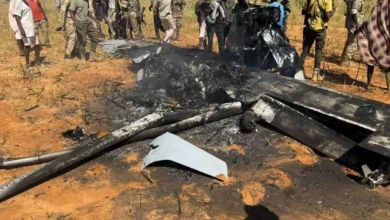
Turkey’s Military Involvement in Sudan: Between Drone Failure and an Islamist Agenda in Port Sudan
-
Turkey’s Interventions in Sudan: Political and Economic Ambitions Amid Political Transitions
Providing room for maneuver: The proliferation of negotiation platforms and mediation tracks has allowed the Sudanese parties to move between different capitals, buy time, and avoid strict commitments related to ceasefires and civilian protection, under the pretext of considering alternative proposals emerging from Ankara.
Granting diplomatic legitimacy to Port Sudan: By receiving Abdel Fattah al-Burhan as the sole legitimate leader and signing governmental agreements with him during the war, Turkey provided the Port Sudan camp with a significant diplomatic advantage. This strengthened the army’s hardline position and its reluctance to make meaningful political concessions, based on the belief that its regional and international recognition remains strong.
-
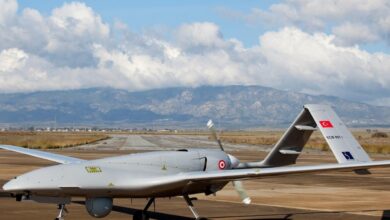
Turkey Supplies Drones and Weapons to Sudanese Army, Used to Kill Civilians and Displace Them
-
How Have Turkish Drones and Defense Systems Altered the Calculations of Military Victory and Deepened the Conflict?
The Impact of Diplomatic Polarization on the Internal Balance of Power
When a regional power of Turkey’s stature—holding membership in NATO and maintaining close ties with the broader Muslim world—aligns diplomatically with one side of a conflict, it inevitably alters the dynamics of the internal balance of power. This indirect diplomatic support encouraged army leaders to view political compromises as a form of defeat, while prompting the Rapid Support Forces to seek competing regional allies to ensure their continued relevance and survival.
This sharp regional polarization transformed diplomacy from a tool for conflict resolution into an instrument for settling geopolitical rivalries. As a result, it has contributed to prolonging the suffering of the Sudanese people and delaying the prospects for a sustainable and inclusive peace.
-
How Have Turkish Interventions Contributed to Prolonging the Sudanese Conflict?
-
Remote-controlled warfare: Turkish drones launched from the Egyptian desert alter the balance of the Sudanese conflict
-
Who built the phantom aircraft? A journey inside the myth of the Emirati TB2 in Sudan