Drinking Water from Copper Cups: Does It Really Strengthen the Immune System?
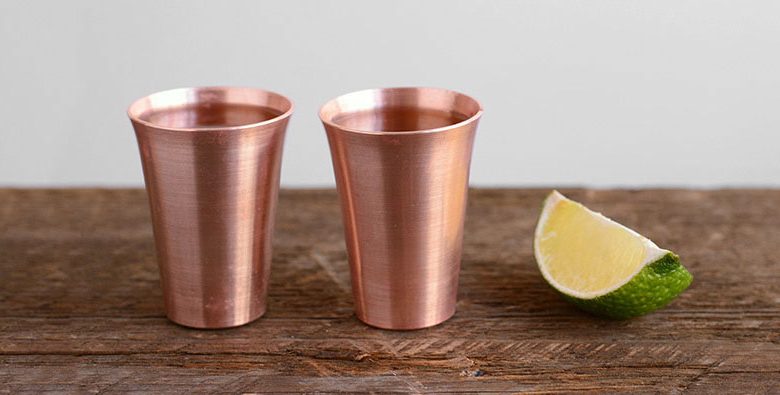
In recent years, copper cups and bottles have experienced a remarkable resurgence in popularity across many parts of the world. Inspired by ancient traditional practices, particularly in South Asia, drinking water stored in copper containers is often promoted as a natural method for improving health, supporting digestion, purifying water, and even strengthening the immune system.
Social media platforms and wellness communities frequently highlight the supposed benefits of copper. However, an important question remains: does scientific evidence actually support the claim that drinking water from copper vessels enhances immune function?
To answer this question, it is necessary to examine current knowledge in nutrition, microbiology, toxicology, and immunology.
Copper: an essential trace mineral
Copper is an essential mineral required for normal human health. Although present in very small amounts within the body, it plays a critical role in numerous biological processes.
Copper contributes to:
- cellular energy production;
- red blood cell formation;
- iron metabolism;
- collagen synthesis;
- nervous system function;
- protection against oxidative stress.
Copper also supports several mechanisms involved in normal immune function. Severe copper deficiency can impair immune responses and increase susceptibility to infections.
However, this does not mean that consuming additional copper beyond normal requirements automatically provides stronger immunity.
The antimicrobial properties of copper
Much of the scientific interest in copper stems from its well-documented antimicrobial properties.
Numerous studies have shown that copper surfaces can reduce the survival of various microorganisms, including certain bacteria, fungi, and viruses.
This phenomenon is commonly known as the oligodynamic effect. Copper ions released from the metal surface can disrupt microbial cell membranes, damage genetic material, and inhibit reproduction.
These characteristics explain why copper is sometimes incorporated into healthcare environments to help reduce microbial contamination on frequently touched surfaces.
Can copper purify water?
Research has shown that water stored in copper containers for several hours may experience reductions in certain bacterial populations.
Under specific conditions, copper can help suppress the growth of some waterborne pathogens. However, experts emphasize that this effect does not replace modern water treatment and purification technologies.
Using a copper container does not guarantee the elimination of all microorganisms, parasites, or chemical contaminants that may be present in unsafe water.
Therefore, copper vessels should not be viewed as a universal water purification solution.
The connection between copper and immunity
The immune system depends on a highly complex network involving numerous nutrients, cells, and biological processes.
Copper does contribute to certain immune functions. It plays a role in the development and activity of several immune cells responsible for defending the body against infections.
Nevertheless, among individuals who already meet their nutritional requirements through a balanced diet, increased copper exposure has not been shown to significantly enhance immune performance.
Nutrition experts emphasize that immune health depends on multiple factors, including:
- overall dietary quality;
- sleep habits;
- physical activity;
- stress management;
- age;
- chronic health conditions;
- overall nutritional status.
No strong scientific evidence currently demonstrates that routinely drinking water from copper vessels directly boosts immunity in healthy individuals.
Potential indirect benefits
Although evidence supporting direct immune enhancement remains limited, some experts suggest that moderate use of copper containers may provide certain indirect benefits.
Maintaining adequate copper intake contributes to overall physiological health. Furthermore, the antimicrobial properties of copper may theoretically help reduce certain forms of bacterial contamination under specific circumstances.
However, these potential advantages should be interpreted cautiously and should not be exaggerated.
The risks of excessive copper exposure
As with many micronutrients, excessive intake can be just as problematic as deficiency.
Too much copper may lead to:
- nausea;
- abdominal pain;
- vomiting;
- diarrhea;
- liver damage in severe cases;
- neurological complications following significant long-term exposure.
The risk increases when copper containers are poorly maintained or used to store acidic beverages such as fruit juices, soft drinks, or drinks containing lemon juice or vinegar.
Acidity accelerates the release of copper ions into liquids.
Expert recommendations
Health experts generally consider copper containers safe when used appropriately and manufactured according to food-grade standards.
Common recommendations include:
- using only food-safe copper vessels;
- avoiding acidic beverages;
- cleaning copper surfaces regularly;
- not viewing copper containers as medical treatments;
- maintaining a balanced and varied diet.
Immune system support is primarily achieved through comprehensive lifestyle habits rather than reliance on a single product or material.
Ancient tradition and modern science
Copper-related health practices originate from several ancient medical traditions. Some of these customs were based on observations that may now be partially explained by copper’s antimicrobial properties.
However, modern science requires rigorous evidence before confirming health claims. At present, available data do not support the conclusion that drinking water from copper cups directly strengthens the immune system.
Conclusion
Copper is an essential trace mineral involved in numerous biological processes, including aspects of immune function. Copper vessels also possess recognized antimicrobial properties that may help reduce the survival of certain microorganisms under specific conditions.
Nevertheless, current scientific evidence does not demonstrate that drinking water from copper cups directly or significantly boosts immunity in healthy individuals. As with many aspects of health, any potential benefits should be viewed within a broader framework that includes balanced nutrition, regular physical activity, sufficient sleep, and overall healthy lifestyle practices.