Including Peanuts: Five Magnesium-Rich Legumes That Deserve a Place in Your Diet
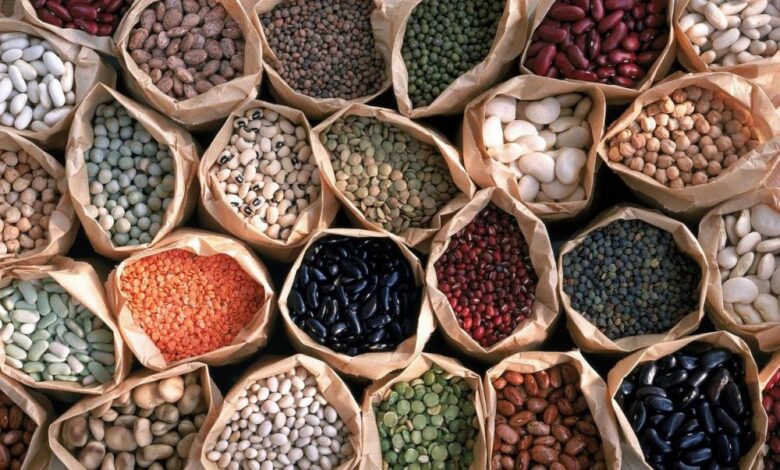
Magnesium is often described as one of the most essential minerals for maintaining overall health. Despite its involvement in hundreds of biological processes, many people fail to consume adequate amounts through their daily diet. This nutrient plays a vital role in energy production, muscle function, nervous system activity, cardiovascular health, and even sleep quality.
-
Magnesium May Help Lower Blood Pressure and Support Heart Health
-
Seven magnesium-rich foods that may reduce the need for supplements
While nuts and leafy green vegetables are frequently highlighted as major sources of magnesium, legumes deserve equal attention. Rich in plant protein, fiber, and valuable micronutrients, they provide substantial amounts of magnesium while offering numerous additional health benefits.
Among them is the peanut, often mistakenly classified as a nut. In reality, peanuts belong to the legume family alongside lentils, beans, and chickpeas. Here are five legumes that can significantly contribute to magnesium intake when included regularly in a balanced diet.
-
Does taking magnesium on an empty stomach cause side effects? A scientific analysis of mechanisms and risks
-
How long does magnesium take to improve your sleep?
Peanuts: a surprisingly powerful source of magnesium
Peanuts occupy a unique position in nutrition. Affordable, convenient, and highly versatile, they are among the richest legume sources of magnesium.
In addition to this important mineral, peanuts provide high-quality plant protein, heart-friendly unsaturated fats, and a variety of antioxidant compounds. When consumed in their natural form and without excessive salt, they can serve as a nutritious and satisfying snack.
Research has shown that individuals who regularly consume peanuts and similar foods often display improved cardiovascular health markers and a lower risk of certain metabolic disorders.
-
Combining Magnesium with Weight-Loss Injections May Lead to Digestive Problems
-
Magnesium Deficiency in Women: Signs Beyond Ordinary Fatigue
Soybeans: a nutritional powerhouse
Soybeans are among the most extensively studied legumes in nutritional science. Their popularity stems from their remarkably comprehensive nutrient profile.
Not only do they provide magnesium, but they also contain complete proteins that supply all essential amino acids, a relatively uncommon feature among plant foods.
Available as tofu, tempeh, soy milk, or edamame, soy products can easily fit into a balanced dietary pattern. Scientific evidence also suggests that moderate soy consumption may contribute to cardiovascular well-being.
Black beans: valuable allies for heart health
Widely consumed throughout Latin America and many other regions, black beans are an excellent source of magnesium and dietary fiber.
Their nutritional composition supports satiety and helps maintain stable blood sugar levels after meals. The fiber they contain may also contribute to healthier cholesterol levels.
Their dark color comes from anthocyanins, natural pigments with antioxidant properties that may help protect cells from oxidative damage.
-
Magnesium deficiency: the hidden cause behind insomnia and fatigue
-
Does Magnesium Help Relieve Menstrual Pain?
Lentils: a nutritional classic
Lentils rank among the most nutritionally complete foods available.
They provide magnesium, iron, plant protein, and fiber in significant amounts. Their affordability and ease of preparation have made them dietary staples in many cultures.
Nutrition experts also value lentils for their relatively low glycemic index, which promotes a gradual release of energy and supports better blood sugar control.
When combined with whole grains, they provide an excellent alternative to animal-based protein sources.
-
Hidden Signs of Magnesium Deficiency: Don’t Ignore Them
-
The Truth about Magnesium Supplements: Health Miracle or Overhyped Trend?
Chickpeas: pillars of the Mediterranean diet
For centuries, chickpeas have played a central role in Mediterranean and Middle Eastern cuisine.
Their content of magnesium, fiber, and protein makes them particularly beneficial for overall health. They promote satiety, support digestive function, and contribute to healthy glucose metabolism.
Whether prepared as hummus, added to salads, incorporated into soups, or used in stews, chickpeas offer exceptional culinary versatility.
-
The Secret to Their Strength: How Magnesium Affects Senior Health
-
The Power of Magnesium: 12 Evidence-Based Health Benefits
Why magnesium matters
The value of these legumes largely stems from their contribution to magnesium intake. This mineral participates in more than three hundred enzymatic reactions throughout the body.
It is essential for cellular energy production, muscle contraction, heart rhythm regulation, and nervous system communication.
Insufficient intake may contribute to fatigue, muscle cramps, sleep disturbances, and certain cardiovascular issues. Although severe deficiency is relatively uncommon, suboptimal magnesium intake remains widespread in many populations.
-
5 signs that you don’t have enough magnesium!
-
To relieve restless – Magnesium and Restless Leg Syndrome
Adding more legumes to everyday meals
Increasing legume consumption does not require major dietary changes.
Lentils can enrich soups and salads. Chickpeas can be transformed into hummus or incorporated into warm dishes. Black beans pair well with grains and vegetables, while peanuts offer a practical and nutritious snack option.
These simple additions not only improve magnesium intake but also increase dietary fiber and plant protein consumption.
-
McMigraine on TikTok: Can French Fries and Cola Relieve Migraine Pain?
-
Peanuts at Breakfast: A Small Food with Big Benefits
Peanuts, soybeans, black beans, lentils, and chickpeas are among the most nutritionally valuable legumes available. Their richness in magnesium is complemented by significant amounts of plant protein, fiber, and health-promoting compounds.
At a time when cardiovascular disease, diabetes, and metabolic disorders remain major public health concerns, these simple and accessible foods represent powerful nutritional allies. Regular consumption as part of a balanced diet can significantly improve overall dietary quality and support long-term health and well-being.
-
Kimchi May Help the Body Eliminate Microplastic Particles: What Emerging Research Suggests
-
How almond butter affects your body when consumed daily
-
Eating an Avocado Every Day May Improve Cholesterol Levels and Sleep Quality