How Do Crossword Puzzles and Sudoku Protect Your Brain Health?
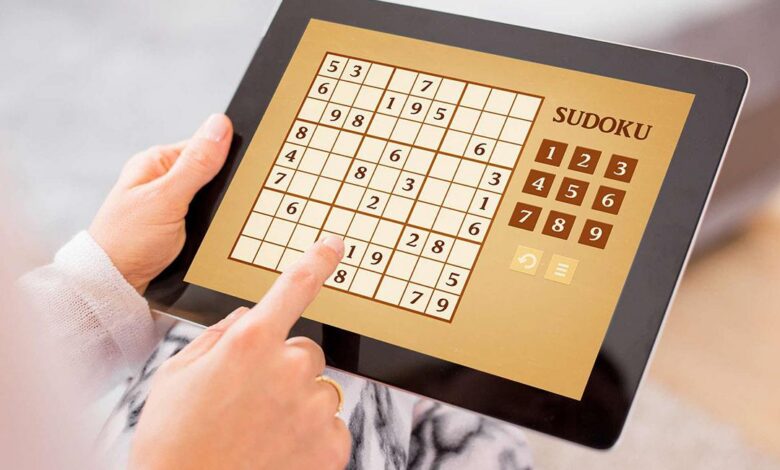
Crossword puzzles and Sudoku are among the world’s most popular brain games. Once regarded simply as recreational activities, they are now attracting growing attention from neuroscientists because of their potential benefits for cognitive health. A growing body of research suggests that regularly engaging in these mentally stimulating activities may help preserve memory, improve reasoning abilities, strengthen attention, and support healthy brain aging. Although they cannot prevent neurodegenerative diseases on their own, they can play an important role in maintaining long-term cognitive function as part of a healthy lifestyle.
One of the brain’s most remarkable characteristics is its ability to adapt and reorganize itself through a process known as neuroplasticity. Neuroplasticity enables the brain to form new neural connections and strengthen existing ones in response to learning and mental stimulation. Activities that continuously challenge thinking, memory, language, and problem-solving help maintain this adaptability throughout life, supporting cognitive performance even as people age.
Crossword puzzles engage multiple areas of the brain simultaneously. Solving clues requires retrieving vocabulary, accessing semantic memory, recalling general knowledge, understanding language, and connecting clues with previously stored information. These mental processes activate brain regions involved in language comprehension, long-term memory, verbal fluency, and executive functioning.
Sudoku, on the other hand, primarily challenges logical reasoning, concentration, and analytical thinking. Completing a Sudoku puzzle requires planning, evaluating possible solutions, recognizing patterns, and maintaining sustained attention while avoiding mistakes. These tasks heavily involve executive functions, which include decision-making, cognitive flexibility, working memory, and strategic problem-solving.
Regular participation in these activities may also strengthen working memory—the brain’s ability to temporarily store and manipulate information. Working memory is essential for many everyday activities, including following conversations, performing mental calculations, making decisions, and completing tasks that require multiple sequential steps.
Numerous studies have shown that individuals who frequently engage in mentally stimulating activities such as crossword puzzles, Sudoku, chess, reading, and other intellectual hobbies often perform better on tests measuring memory, attention, information processing speed, and reasoning abilities. Some research further suggests that maintaining these cognitive activities throughout adulthood may delay the onset of age-related cognitive decline in certain individuals.
Scientists attribute many of these benefits to the development of what is known as cognitive reserve. Cognitive reserve refers to the brain’s ability to compensate for age-related changes or neurological damage by utilizing more efficient or alternative neural networks. People with greater cognitive reserve often maintain normal cognitive functioning for longer, even when age-related brain changes or early neurodegenerative processes are present.
Beyond improving cognitive performance, crossword puzzles and Sudoku may also support emotional well-being. Successfully completing challenging puzzles provides a sense of achievement, enhances self-confidence, reduces stress, and encourages positive mental engagement. For older adults, these activities may also help maintain daily routines, promote independence, and reduce feelings of boredom or social isolation.
However, researchers emphasize that these games should not be viewed as a cure or guaranteed preventive measure for Alzheimer’s disease or other forms of dementia. Current scientific evidence suggests that while they contribute to maintaining cognitive abilities and may delay the appearance of symptoms in some people, they do not eliminate the underlying biological processes responsible for neurodegenerative disorders.
Experts recommend combining cognitive stimulation with other healthy lifestyle habits to maximize brain protection. Regular physical exercise improves blood flow to the brain and supports the growth of new neurons. A balanced diet rich in fruits, vegetables, whole grains, fish, nuts, and healthy fats provides essential nutrients that nourish brain cells. Adequate sleep allows the brain to consolidate memories and remove metabolic waste, while effective stress management helps protect neurons from the harmful effects of chronic stress hormones.
Maintaining strong social relationships also plays a vital role in cognitive health. Conversations, group activities, volunteering, and learning new skills all challenge the brain in different ways while supporting emotional well-being. Additionally, controlling cardiovascular risk factors such as hypertension, diabetes, obesity, and smoking is essential because healthy blood vessels are critical for maintaining optimal brain function.
Healthcare professionals also encourage individuals to diversify their cognitive activities rather than relying exclusively on one type of brain exercise. Reading books, learning a foreign language, playing a musical instrument, solving logic puzzles, engaging in strategic games, participating in creative hobbies, and acquiring new skills stimulate different brain regions and further enhance neuroplasticity.
In conclusion, crossword puzzles and Sudoku are much more than enjoyable pastimes. When practiced regularly, they stimulate multiple cognitive functions, strengthen neuroplasticity, enhance cognitive reserve, and may help preserve mental abilities throughout the aging process. Although they cannot replace medical prevention strategies or guarantee protection against dementia, they represent valuable and accessible tools for supporting lifelong brain health when combined with regular exercise, healthy nutrition, quality sleep, social engagement, and other positive lifestyle habits.