How to Overcome Constant Hunger While Trying to Lose Weight

Feeling hungry from time to time during a weight-loss program is normal, but experiencing constant hunger is usually a sign that your eating plan may be too restrictive or lacking in key nutrients. Fortunately, several evidence-based strategies can help reduce appetite while supporting healthy, sustainable weight loss.
Include Protein in Every Meal
Protein is the most filling macronutrient. It stimulates hormones that promote fullness while slowing digestion, helping you stay satisfied for longer periods.
Excellent protein sources include eggs, fish, chicken, turkey, lean meat, Greek yogurt, cottage cheese, tofu, beans, lentils, and chickpeas.
Increase Your Fiber Intake
Dietary fiber adds bulk to meals, slows digestion, and helps stabilize blood sugar levels. This combination promotes longer-lasting fullness and reduces the likelihood of overeating.
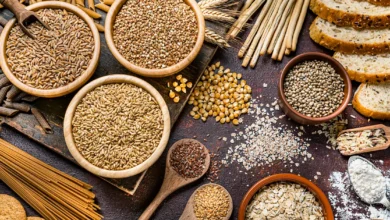
Vegetables, whole fruits, oats, legumes, whole grains, seeds, and beans are excellent sources of fiber that can help control hunger throughout the day.
Stay Well Hydrated
Thirst is sometimes mistaken for hunger. Mild dehydration may cause people to feel hungry when their bodies actually need fluids.
Drinking a glass of water before meals and staying hydrated throughout the day may help reduce unnecessary snacking and improve appetite control.
Don’t Eliminate Healthy Fats
Healthy fats also contribute to satiety by slowing stomach emptying and promoting fullness.
Foods such as avocados, almonds, walnuts, seeds, olive oil, and fatty fish provide heart-healthy unsaturated fats that support overall health while helping control appetite.
Get Enough Sleep
Insufficient sleep disrupts the hormones that regulate hunger. It increases ghrelin, the hormone that stimulates appetite, while reducing leptin, the hormone responsible for signaling fullness.
Most adults should aim for seven to nine hours of quality sleep each night to support healthy appetite regulation and reduce cravings for sugary and high-fat foods.
Avoid Extremely Restrictive Diets
Severely cutting calories often increases hunger, slows metabolism, and makes long-term weight loss more difficult.
Health experts generally recommend creating a moderate calorie deficit rather than following highly restrictive diets, which are harder to maintain and may increase the risk of overeating later.
Eat More Slowly
It takes approximately 20 minutes for the brain to receive fullness signals from the digestive system. Eating slowly, chewing food thoroughly, and minimizing distractions during meals can naturally reduce calorie intake before overeating occurs.
Choose High-Volume, Low-Calorie Foods
Foods rich in water and fiber fill the stomach without providing excessive calories.
Vegetable soups, salads, cucumbers, tomatoes, zucchini, broccoli, watermelon, strawberries, and other fresh fruits and vegetables are excellent choices for increasing fullness while supporting weight loss.
Manage Stress
Chronic stress raises cortisol levels, a hormone that can increase appetite and trigger cravings for sugary, high-calorie comfort foods.
Stress-management techniques such as walking, meditation, deep breathing exercises, yoga, or other relaxing activities can help reduce emotional eating.
Learn to Recognize Emotional Hunger
Not every desire to eat is caused by physical hunger. Boredom, anxiety, sadness, stress, and habit can all trigger emotional eating.
Before reaching for a snack, it can be helpful to pause and ask whether you are truly hungry or responding to an emotion or situation unrelated to physical hunger.
Experiencing mild hunger during weight loss is normal, but constant hunger is not. A balanced eating plan rich in protein, fiber, and healthy fats, combined with adequate hydration, quality sleep, regular physical activity, and a moderate calorie deficit, can significantly improve appetite control. The goal of a successful weight-loss program is not to endure persistent hunger, but to build sustainable eating habits that support long-term health while making weight management easier and more enjoyable.