Tunisia’s Muslim Brotherhood Abroad: Desperate Campaigns Reflect the Movement’s Predicament
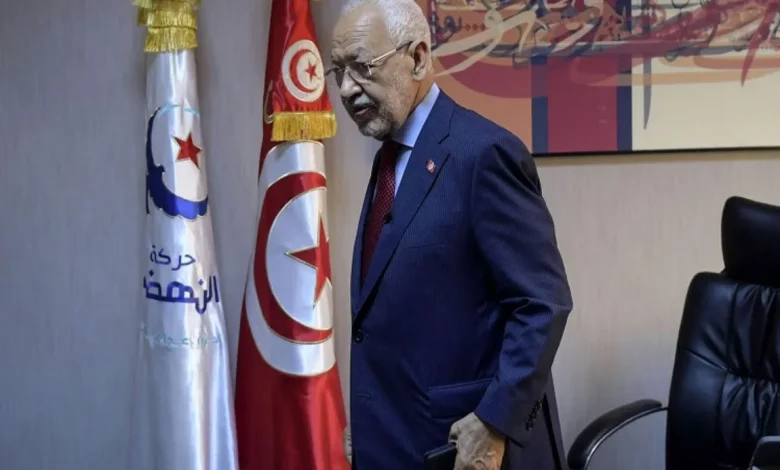
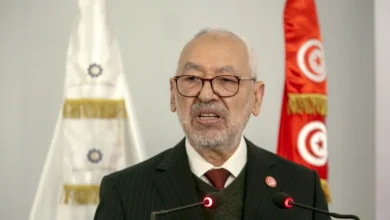
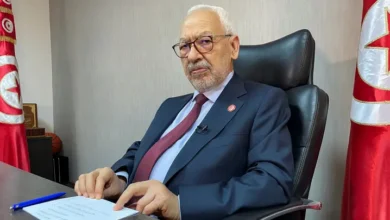
Leaders of Tunisia’s Islamist movement based abroad are stepping up efforts to secure an easing of legal proceedings and the release of their senior figures. These attempts, however, are said to reflect their limited ability to exert influence and the difficult position they face amid growing public rejection.
According to observers, Ennahda—described as the political arm of Tunisia’s Muslim Brotherhood—continues to operate outside the country despite moving underground following the closure of its offices and a ban on its meetings. The movement is accused of using its overseas activities to promote a negative and misleading portrayal of conditions in Tunisia.
-
Fifteen-Year Prison Sentence: New Ruling Against Tunisia’s Muslim Brotherhood Judge
-
A comprehensive approach to thwarting the networks of chaos: Kais Saied tightens the screws on Tunisia’s Muslim Brotherhood
The family of Rached Ghannouchi, the veteran leader of Tunisia’s Islamist movement, is currently particularly active abroad. Those involved include his son Mouadh Ghannouchi, his daughters and his son-in-law Rafik Abdessalem, as well as allies such as Moncef Marzouki and Imed Daïmi.
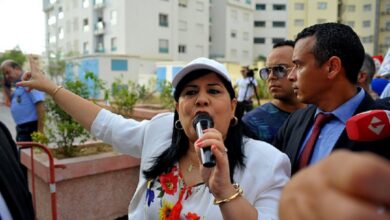
Their activities include organising protests, appearing on their social media pages and circulating claims and rumours that their critics describe as misleading.
Tunisian authorities have previously placed several of these figures on international wanted lists. Some have also been subject to asset-freezing orders over allegations including conspiracy against state security and financial corruption.
-
Tunisia’s Muslim Brotherhood and the street card: a desperate attempt to reposition itself
-
Ghannouchi’s Hunger Strike: Tunisia’s Muslim Brotherhood Seeks a Political Victimhood Narrative Behind Bars
Leaders based in European capitals such as Paris and London, as well as in the United States, are seeking to establish contacts with Western parliaments, international organisations and foreign governments. Their objective is to encourage these institutions to exert economic and political pressure on the Tunisian government.
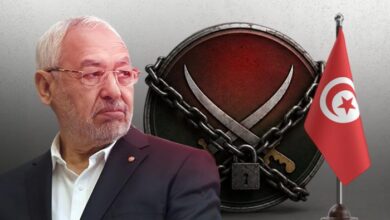
Ghannouchi, who has been imprisoned since April 19, 2023, faces ten cases. The allegations against him include conspiracy against state security, intelligence-related offences, involvement in political assassinations, participation in the Muslim Brotherhood’s alleged secret apparatus, sending militants to conflict zones and money laundering.
-
On the Anniversary of Their Downfall, Tunisia’s Muslim Brotherhood Cloaks Itself in the Opposition to Break Its Isolation
-
The Secret Apparatus of Tunisia’s Muslim Brotherhood: Lawyer Reveals the Structure of the Octopus
Campaigns Described as Malicious
Political activist and analyst Khaled Baltaher said the Muslim Brotherhood’s activities abroad mainly revolve around international campaigns demanding the release of Ennahda leader Rached Ghannouchi and other imprisoned senior figures.
He said that members of the movement “submit memoranda and reports to the United Nations Human Rights Council and international human rights organisations such as Amnesty International in an attempt to portray judicial proceedings in Tunisia as politically motivated and vindictive trials, even though all their crimes are documented with evidence and proof”.
Baltaher argued that the movement acts solely in pursuit of its own interests. He recalled that in 2021, while Tunisia was confronting the Covid-19 pandemic, Islamist leaders responded to their removal from power by calling on international actors to suspend assistance to the country as a means of political pressure.
He added that this opposition movement is far removed from the daily reality and concerns of Tunisians and lacks a comprehensive economic and social alternative.
-
Ghannouchi and the Secret Apparatus Case of Tunisia’s Muslim Brotherhood: Absence as an Escape Does Not Halt Accountability
-
National reconciliation: a maneuver by Tunisia’s Muslim Brotherhood to break isolation and evade accountability
A Rumour Machine
Political activist and analyst Omar Yefreni said the Muslim Brotherhood’s overseas network operates television channels, news websites and active social media pages to circulate messages attacking the policies of the current authorities and mobilising public opinion against them.
He said the movement focuses on publishing misleading opinion articles and participating in Western talk shows to present a negative account of conditions in Tunisia and influence international decision-making circles.
Yefreni also highlighted the widening gap between the rhetoric of Islamist figures abroad and people inside Tunisia, whom he said had rejected the movement.
He argued that Tunisians would find it difficult to move beyond the image associated with the movement during its time in power, from 2011 until its removal on July 25, 2021. According to him, that period plunged the country into a cycle of terrorism and depleted the state’s finances.
-
Tunisia’s Muslim Brotherhood facing terrorism accusations… A return to the tools of takfir and incitement
-
Refusal to Attend His Corruption Trial… The Leader of Tunisia’s Muslim Brotherhood Evades Justice