Israel and the United States plan large-scale strikes against Iran’s energy infrastructure
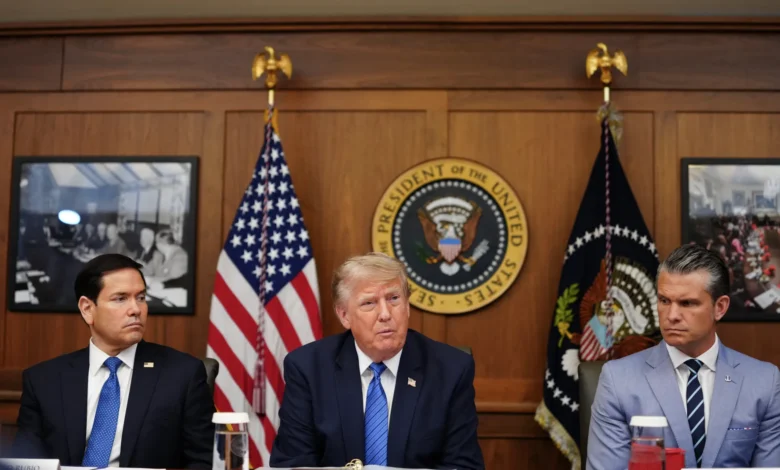
The American president has stated that Tehran is in an extremely weak position, arguing that it retains only limited military capabilities.
Although no final American decision has yet been made regarding the launch of the strikes, the combination of media leaks and Donald Trump‘s increasingly confrontational rhetoric indicates that military options remain firmly on the table at the White House.
-
Hardline American and Iranian positions dispel hopes for a near agreement
-
Sanctions on Iran and Aid to Israel… “American Representatives Swim Against the Biden Current”
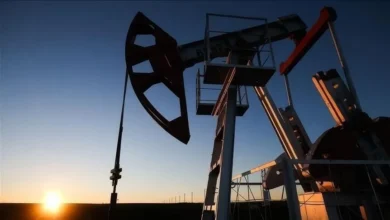
CBS News reported on Friday, citing informed sources, that the United States and Israel are considering launching one of the most extensive military campaigns against Iran’s energy infrastructure since the current confrontation began, with the possibility of carrying out the strikes early next week, although President Donald Trump has not yet given his final approval.
The network added that discussions are underway within the US administration regarding the possibility of concluding the operation before financial markets open on Monday, reflecting Washington’s awareness of the potential consequences for global energy markets and the international economy.
-
Intensive U.S. strikes on Islamic Revolutionary Guard bases in Iran
-
A war room above the runway: this is where Trump decided to resume strikes against Iran
These revelations came only hours after Donald Trump threatened Iran with “extremely severe strikes” until it reached a point where it would declare that it could “no longer endure any further pressure.” This gives the CBS News report a political and military significance that goes beyond a simple media leak, reflecting the contours of an American strategy aimed at a new phase of escalation targeting one of the pillars of Iran’s economic power.
Trump stated that the war with Iran was progressing “very well” from the perspective of the United States, emphasizing that the primary objective remained preventing Tehran from acquiring nuclear weapons. He also argued that previous American strikes had inflicted substantial damage on Iran’s military capabilities and that Iran was now in “a very bad position,” accusing its leadership of failing to engage seriously during previous rounds of negotiations.
-
Trump Puts Iran’s Kharg Island Back in the Spotlight Through AI-Generated Images
-
Trump Threatens Iran with Broader Strikes as Beijing and Islamabad Open the Door to Negotiations
These statements, combined with the information reported by CBS News, suggest that Washington is no longer merely threatening limited strikes or deterrence operations but is actively considering attacks on Iran’s critical economic infrastructure, particularly the energy sector, which constitutes the country’s main source of revenue and finances its institutions and military activities.
The focus on energy facilities carries important strategic implications. Targeting this sector would not only affect Iran’s military capabilities but would also place pressure on the country’s entire economy, reducing the government’s ability to finance both domestic and foreign operations. If carried out, such strikes could become some of the most consequential military actions since the outbreak of the conflict.
-
Washington and London Rally Allies: Western Plan to Secure the Strait of Hormuz and Contain Iran
-
Washington Uses Seized Iranian Funds to Compensate Damaged Ships
The discussion about ending the campaign before the opening of financial markets also highlights Washington’s recognition of the energy sector’s importance to the global economy, especially since any significant disruption to Iranian production or exports could immediately affect oil prices and international trade flows, amid ongoing tensions in the Gulf and the Strait of Hormuz, one of the world’s most strategic energy corridors.
This escalation comes after weeks of military exchanges between the United States and Iran following the collapse of negotiations that succeeded the memorandum of understanding signed last June, due to disagreements over Iran’s nuclear program and guarantees for maritime security in the Strait of Hormuz. As diplomatic prospects diminished, the military option once again moved to the forefront.
-
WarGames: The Film That Shook the Pentagon and Forever Changed America’s Nuclear Doctrine
-
Iran’s Kharg Island: Carter’s Lesson That Continues to Haunt Trump
Observers believe that Trump‘s statements reflect a broader strategy that combines military and political pressure in an effort to reshape the balance of power with Iran before any future negotiations resume. The president’s assertion that strikes will continue until Tehran reaches a stage of “no longer being able to endure” suggests a strategy aimed at gradually exhausting Iran’s military and economic capabilities in order to force concessions from a weaker position.
At the same time, Trump‘s remarks send a message to regional allies that the United States remains committed to its security obligations and will not retreat from confronting the Islamic Republic despite the growing costs of the conflict. The American administration is also seeking to demonstrate that it still retains the initiative and that military operations are achieving their objectives according to plan.
-
Infrastructure Comes Under Fire in the U.S.–Iran War
-
Continuous U.S. Strikes and Naval Blockade: A Week of Fire Against Iran
Tehran is expected to interpret these statements and media leaks as part of a psychological campaign designed to increase pressure on the country, while Iranian officials continue to insist that American strikes have failed to achieve their objectives and that Iran retains the capacity to retaliate against American and Israeli interests in the event of further attacks.
Concerns are growing that any large-scale attack against Iran’s energy infrastructure could broaden the conflict, not only through direct Iranian retaliation but also through the intervention of Tehran’s regional allies, potentially pushing the confrontation into a more complex phase with far-reaching consequences for maritime security, energy supplies and regional stability.
-
90 Minutes of Bombardment: United States Completes Its Latest Wave of Strikes Against Iran
-
U.S. Pressure Deepens Divisions Within Iran’s Decision-Making Circles
Although Washington has not yet made a final decision regarding the strikes, the coincidence of these leaks with Trump‘s increasingly aggressive rhetoric demonstrates that military options remain strongly present within White House deliberations and that the next phase of the confrontation could involve a shift from targeting traditional military sites to striking Iran’s economic infrastructure—a move that could reshape the course of the conflict and open the door to a new wave of escalation whose limits remain difficult to predict.
-
Ahmadinejad and the Mossad: A Secret Journey That Ended in House Arrest
-
Tehran Increases Pressure on Washington by Calling for the Closure of the Bab el-Mandeb Strait
-
Attacks on Iran Push Oil Prices Up by More Than 4%
-
Hormuz Guarantees and Nuclear Dust: Washington Tightens the Conditions for an Agreement with Iran