Shipping Traffic Through the Strait of Hormuz Falls to Unprecedented Levels as Tensions Escalate
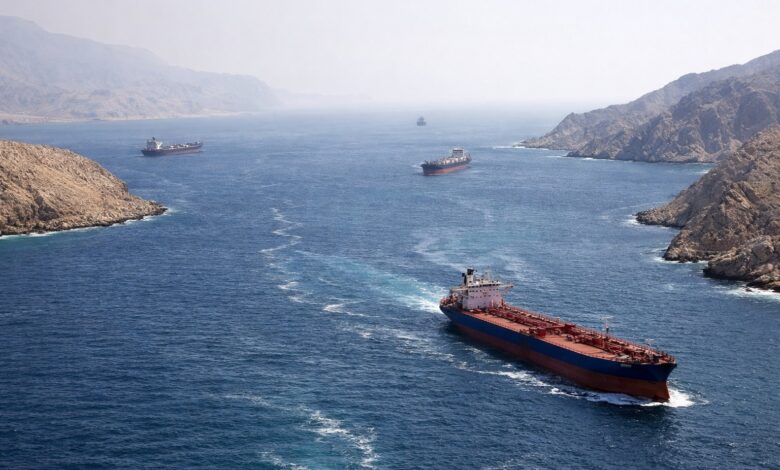
Only five vessels crossed the Strait of Hormuz on Saturday, marking one of the lowest levels of maritime traffic during the current crisis, compared with 31 vessels during the previous weekend.
The Strait of Hormuz has once again moved to the forefront of tensions in the Middle East after the resumption of military confrontation between the United States and Iran triggered a sharp decline in commercial shipping traffic, raising concerns that the security crisis could develop into a broader disruption of energy markets and maritime transportation.
Vessel-tracking data showed that around five identifiable commercial vessels crossed the strait each day over the latest weekend, a significant decline compared with previous periods when the number was considerably higher.
Previous data indicated that 31 vessels had crossed the strait during an earlier weekend in August, while other data recorded four vessels crossing on one day and 13 on another, reflecting sharp fluctuations in maritime traffic since tensions escalated.
However, tracking figures do not necessarily reflect every vessel using the strait, as some ships may switch off their Automatic Identification Systems (AIS) for security reasons, making it more difficult to assess the actual volume of traffic.
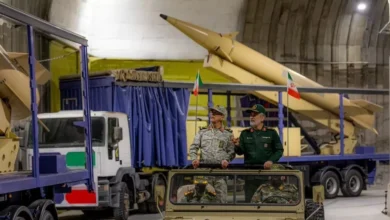
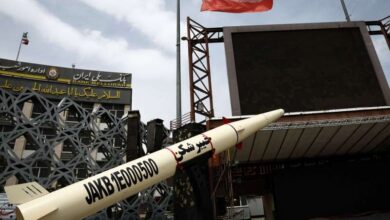
The decline in shipping traffic came as the United States announced that it had carried out a strike on two Iranian missile-launch platforms on Larak Island, located in the Strait of Hormuz.
Washington said the operation was intended to prevent the platforms from being used to lay naval mines or launch attacks against shipping, marking the first direct U.S. strike against Iran in more than a month.
Iran responded by launching missiles toward U.S. targets in the region, in an escalation that renewed fears of a widening conflict and an increased threat to shipping through one of the world’s most important maritime corridors.
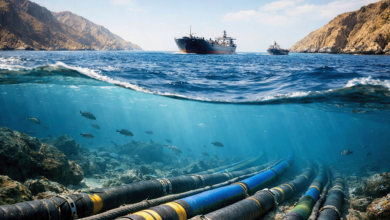
The threat is not limited to missiles and drones, as shipping companies are also concerned about naval mines. Securing waterways and clearing mines can take time even if military operations subsequently subside.
The strategic importance of the strait lies in its role as a major route for oil and gas exports from the Gulf states. A substantial share of global oil trade passes through it, along with a significant portion of liquefied natural gas exports, particularly from Qatar.
Analysts warn that the economic impact of the crisis would not necessarily require a complete closure of the strait. Higher war-related risks could drive up marine insurance costs and prompt shipping companies to postpone voyages or alter their routes, restricting trade even if the waterway remains legally and physically open.
Observers monitoring maritime traffic said some vessels were still using the strait, but many companies had become more cautious about deciding whether to transit it, particularly in the case of very large crude carriers and liquefied natural gas carriers.
Insurance has taken on particular importance, as a voyage through a high-risk area can become commercially unviable even if the crossing remains technically possible.
The decline in vessel traffic is also raising concerns about energy supplies to global markets. A prolonged disruption could increase the costs of oil, gas, and transportation while adding to inflationary pressures on energy-importing economies.
Observers say the current situation does not mean that Iran has completely closed the Strait of Hormuz. Rather, it points to what could be described as a waterway that remains theoretically open but has become more dangerous and costly for shipping companies.
This distinction is particularly significant because of the difficulty in determining the actual number of vessels crossing the strait, given that some ships may switch off their tracking systems.
The escalation comes as markets had been watching for signs of a possible reduction in tensions between Washington and Tehran. The resumption of military strikes therefore represents a setback for diplomatic efforts, in addition to its potential repercussions for energy markets.
The shipping industry fears that a temporary disruption to maritime traffic could develop into a long-term crisis, particularly if military risks persist or the safety of maritime routes cannot be guaranteed.
The Strait of Hormuz has consequently returned to the center of an equation linking security, energy, and global trade: every further decline in vessel traffic could increase the cost of transporting oil and gas, while higher prices could intensify economic pressures beyond the Gulf region.
The main concerns at present are the continuation of the military escalation, the potential use of naval mines, rising insurance costs, and shipping companies’ growing reluctance to take risks. Together, these factors could make the strait less capable of performing its normal role even without an official declaration that it has been closed.
The world is now watching to see whether the decline in shipping traffic will remain temporary or turn into a sustained disruption that threatens global energy supplies, while any further escalation between the United States and Iran could push oil prices and maritime traffic into even greater turmoil.