What Does Tehran Want in Exchange for Reopening the Strait of Hormuz?
Qatari and Omani mediation efforts aimed at securing maritime traffic through the Strait of Hormuz are continuing, as Iran prepares to present a set of conditions linked to the easing of U.S. sanctions. These efforts, however, face resistance from the Trump administration, which has shown little willingness to offer concessions.
Mediation efforts to reopen the Strait of Hormuz to international shipping have intensified, with Iran preparing to present a list of conditions in exchange for restoring maritime traffic to normal levels. At the same time, Tehran and Muscat are exploring arrangements for a new shipping corridor, while Qatar is seeking to push negotiations forward.
-
Hormuz at the heart of the conflict after six months of war: 20 dead in 68 incidents
-
Iranian Authorization Opens the Strait of Hormuz to Iraqi Oil Tankers
This comes after the visit on Thursday by Qatar’s Prime Minister and Minister of Foreign Affairs, Sheikh Mohammed bin Abdulrahman Al Thani, to Tehran, as part of Doha’s efforts to reduce tensions and revive the diplomatic track. Parallel contacts are also taking place with the Sultanate of Oman regarding navigation arrangements in the strait.
According to a source familiar with the discussions, cited by Reuters, Iran has agreed to prepare a list of its conditions for reopening the strait, while also discussing with Oman a formula that would allow ships to continue passing through an organized maritime corridor.
The details of Iran’s demands remain under negotiation, but the issue is closely linked to the war, economic pressure, and U.S. sanctions imposed on Tehran.
-
Near-Total Paralysis Hits Shipping Traffic in the Strait of Hormuz
-
Iran’s nuclear program: Is the Strait of Hormuz becoming a haven for delay tactics?
According to reports on the negotiations, Iran is seeking guarantees related to sanctions relief and an end to U.S. measures that Tehran considers part of the blockade imposed on the country. Washington, meanwhile, wants to guarantee freedom of navigation and prevent the strait from being used as a tool of strategic pressure.
These disagreements complicate the prospects for a rapid settlement, particularly as U.S. President Donald Trump has refused to return to the memorandum of understanding reached in June.
The Wall Street Journal reported that the Trump administration is no longer interested in reviving the previous agreement and instead prefers to continue its policy of economic pressure on Iran rather than make concessions under the framework negotiated in June.
The issue of the Strait of Hormuz has therefore become part of a broader equation: Tehran wants to link its reopening to the sanctions issue and the war, while Washington is relying on economic pressure to force Iran to make concessions.
-
After Hormuz, Pakistan turns to diplomacy between the United States and Iran
-
The Bab el-Mandeb Strait: are the Houthis seeking to replicate Iran’s strategy in the Strait of Hormuz?
Maritime Traffic at Extremely Low Levels
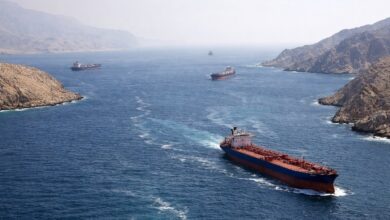
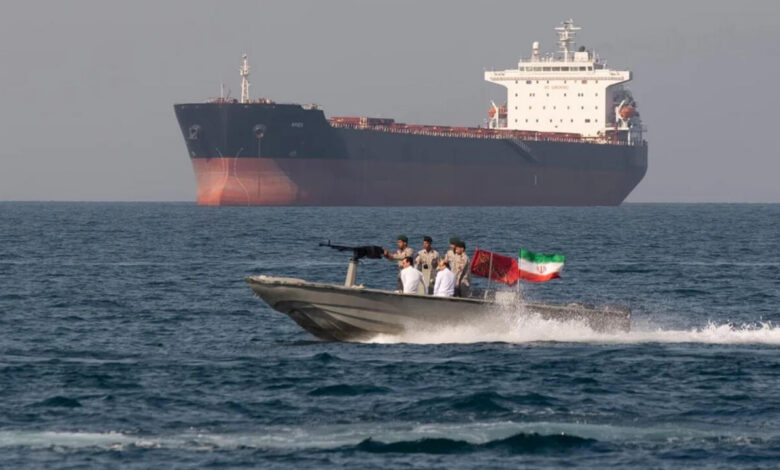
Shipping data illustrates the scale of the crisis. On Thursday, August 27, seven cargo vessels passed through the strait, compared with 17 the previous day, while the daily average during the preceding ten days stood at around 15 vessels, according to data reported by Reuters.
Reuters estimates that maritime traffic remains at only around 5 to 15 percent of normal levels, meaning that despite the passage of some vessels, the strait has not returned to normal operations.
The crisis is of exceptional importance because of the strait’s central role in the global energy trade. Historically, vast quantities of oil and gas from Gulf countries pass through it on their way to international markets.
In an effort to secure maritime traffic, U.S. forces carried out mine-clearing operations and helped, according to Reuters, ensure the passage of approximately 1,500 vessels.
These measures have not yet succeeded in restoring normal shipping activity, as shipping companies continue to face security risks and high costs associated with insurance and transportation.
-
Washington and London Rally Allies: Western Plan to Secure the Strait of Hormuz and Contain Iran
-
Lana Nusseibeh: Targeting Commercial Ships or Using the Strait of Hormuz as a Tool of Coercion Is Unacceptable
An Iranian-Omani Maritime Corridor
One of the proposals under consideration involves establishing or organizing a maritime corridor between Iran and the Sultanate of Oman, allowing ships to pass under specific security arrangements.
Tehran and Muscat are also examining issues related to the management of the corridor and the sharing of revenues and fees. This means that any potential agreement may not restore the situation that existed before the war, but could instead create a new system for regulating maritime traffic.
Previous reports had referred to a formula under which ships would enter through a route managed by Iran and exit through another route administered by Oman, with fees imposed in exchange for services related to security and the protection of the marine environment.
Oman, which maintains good relations with both Iran and the United States, is seeking to act as a mediator in these arrangements, while Qatar is pushing for a broader agreement that would ensure the full restoration of maritime navigation.
-
Washington Launches a New Wave of Strikes as Iran Closes the Strait of Hormuz
-
Hormuz Guarantees and Nuclear Dust: Washington Tightens the Conditions for an Agreement with Iran
The Hormuz Paradox
Iran itself faces a strategic dilemma.
Closing the strait, or keeping maritime traffic at low levels, gives Tehran a powerful instrument of pressure on the global economy. At the same time, however, it could encourage Gulf countries and energy companies to accelerate their search for alternative routes for exporting oil and gas.
The Guardian warned of this paradox, noting that prolonged disruption of the strait could push countries in the region to invest more heavily in pipelines and infrastructure capable of bypassing Hormuz.
As a result, a prolonged crisis could gradually reduce the strait’s strategic value to Iran.
Conversely, reopening it without obtaining political or economic concessions could mean that Tehran is giving up one of its most important sources of leverage.
-
From the Nuclear Issue to the Strait of Hormuz: Trump Reshapes the Confrontation with Iran as Escalation Knows No Limits
-
U.S.–Iran Agreement on a Mechanism to End the Lebanon War and Reopen the Strait of Hormuz
Who Will Pay the Price?
Qatar is attempting to bring the two sides closer to a compromise, while Iran believes that the restoration of maritime traffic should be part of a broader deal covering sanctions and security guarantees.
Washington, on the other hand, wants freedom of passage for ships without having to offer concessions that the U.S. administration would regard as a reward for Tehran.
The negotiations therefore face a complex equation: Iran is willing to discuss reopening the strait, but it wants a political and economic price in return, while Donald Trump refuses to return to the agreement framework that was under consideration in June.
As negotiations continue, maritime traffic remains far below its normal levels, indicating that the “reopening of Hormuz” will not be a simple technical decision. Rather, it will be part of a broader deal that could shape the future of relations between Iran and the United States, as well as the future of energy security in the Gulf after the war.
-
Washington relies on shadow fleets to move oil through the Strait of Hormuz
-
U.S.-Iran Agreement: Broad International Welcome and Focus on Hormuz and the Nuclear Issue