Trump Avoids Clash with China over Iran Ahead of His Visit to Beijing
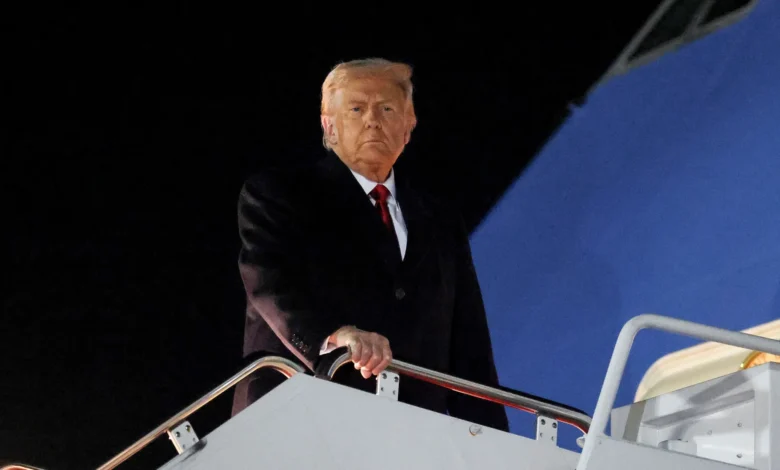
The U.S. president is ignoring a report claiming that Iran obtained satellite imagery of a base in Jordan from Chinese entities before an attack that killed three American soldiers there last July.
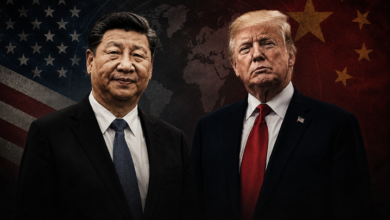
U.S. President Donald Trump on Sunday ignored a report stating that Iran had obtained satellite imagery of a base in Jordan from Chinese entities before an attack that killed three American soldiers there in July, in a stance suggesting that the U.S. administration is seeking to avoid an escalation with China ahead of the president’s expected visit to Beijing.
A recent report published by The Wall Street Journal cited unnamed U.S. officials regarding the attack in Jordan. When asked whether he would raise the issue during his expected meeting with Chinese President Xi Jinping, Trump did not respond directly. Instead, he equated China’s surveillance activities with those carried out by the United States.
“They basically do what we do. And when they say China is spying on us, I say to them: You’re right, we spy on them too,” he told reporters aboard Air Force One.
The Chinese and American presidents are expected to meet in the United States on September 24, although China has not yet officially confirmed that the meeting will take place.
Trump reiterated on Sunday that he has a good relationship with his Chinese counterpart.
“I think he has acted reasonably, and we are acting reasonably,” he said while returning to the United States after a visit to Ireland earlier in the week.
U.S. concerns extend beyond the issue of satellite imagery to the expanding scope of cooperation between Beijing and Tehran, particularly in the military and technological fields, as well as the channels Iran uses to circumvent U.S. economic sanctions. Washington believes that the continuation of this cooperation gives Tehran greater room to withstand the pressure being placed on it, at a time when the U.S. administration is seeking to tighten restrictions on its sources of funding and military capabilities.
China-Iran relations are causing growing concern in Washington at this stage, not only because of the support or military-use technologies that Iran could obtain, but also because of China’s ability to provide trade and financial channels that could help Tehran evade some of the effects of U.S. sanctions. This makes Beijing an influential factor in Iran’s ability to withstand the pressure campaign pursued by the U.S. administration.
Trump is expected to raise these issues during his anticipated visit to Beijing and his talks with Chinese President Xi Jinping, but within a friendly framework consistent with Washington’s policy of de-escalation in its relations with China. The U.S. administration does not appear eager to turn China’s cooperation with Iran into a direct crisis with Beijing, particularly as Trump seeks to preserve channels of dialogue with the Chinese leadership and address contentious issues through negotiations rather than opening a new confrontation.
This approach reflects an effort by Washington to separate its pressure campaign against Tehran from the management of its relationship with Beijing. The U.S. administration recognizes that an escalation with China over support for Tehran could broaden the disputes between the world’s two largest economies and undermine efforts to ease tensions. Trump may therefore focus on conveying U.S. concerns about military and economic cooperation between Beijing and Tehran while avoiding turning the issue into a public confrontation with the Chinese.
According to The Wall Street Journal report, U.S. officials declined to disclose the identities of the Chinese entities that provided the imagery to Iran and did not allege that Beijing was directly involved.
Trump’s comments appeared consistent with the U.S. administration’s recent efforts to ease broad tensions between Washington and Beijing, despite U.S. frustration over the close relationship between Beijing and Tehran.